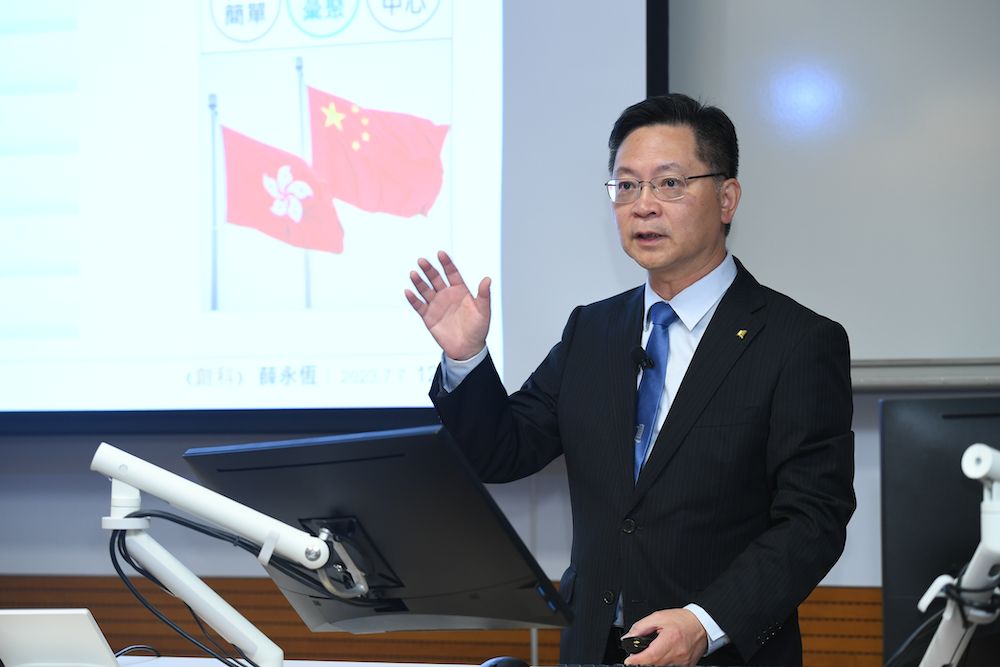
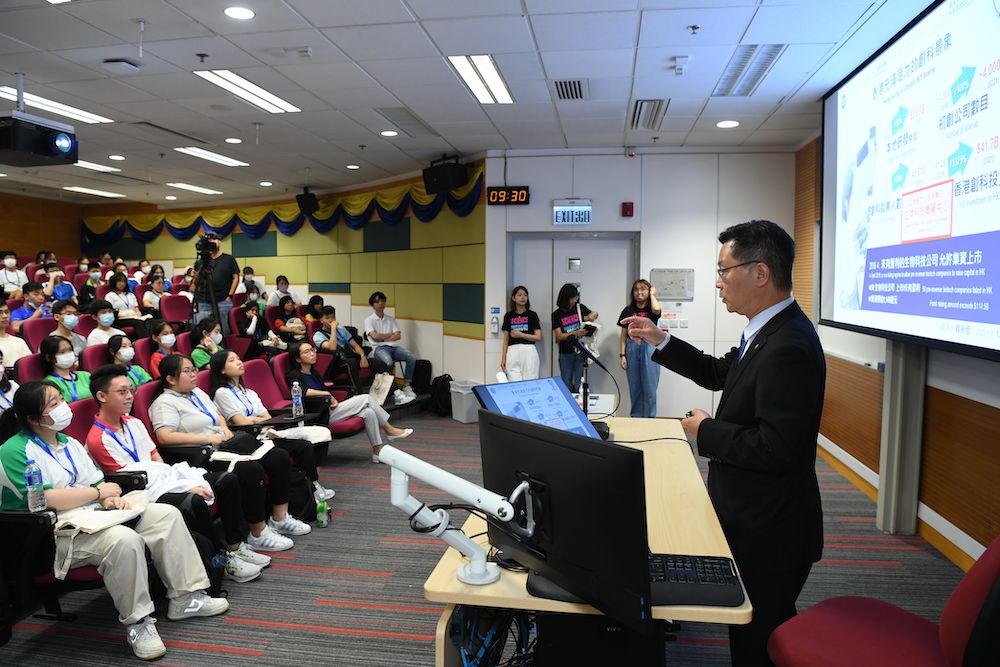
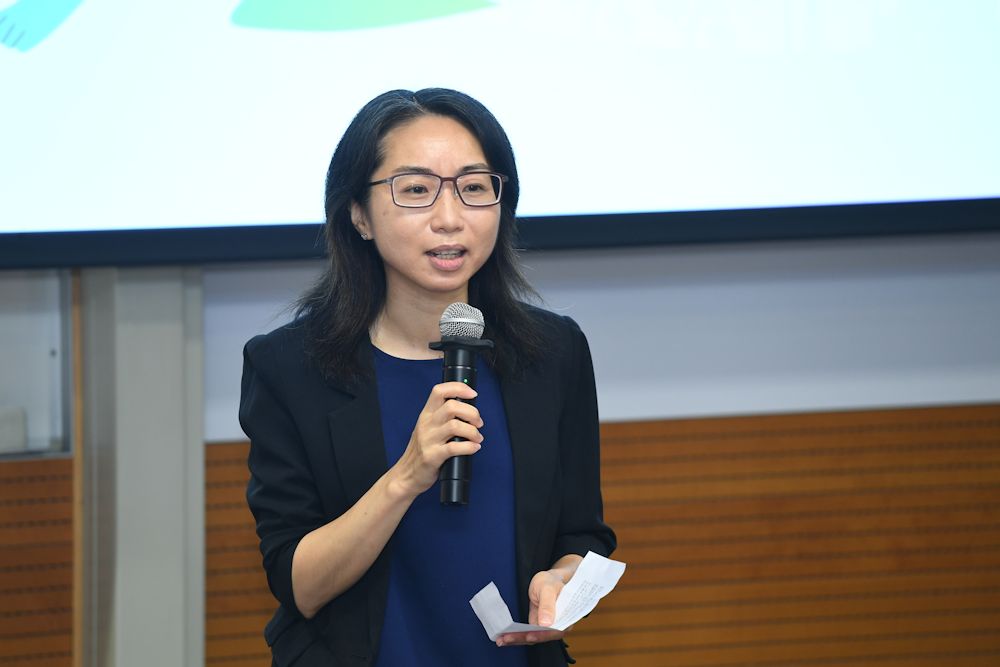
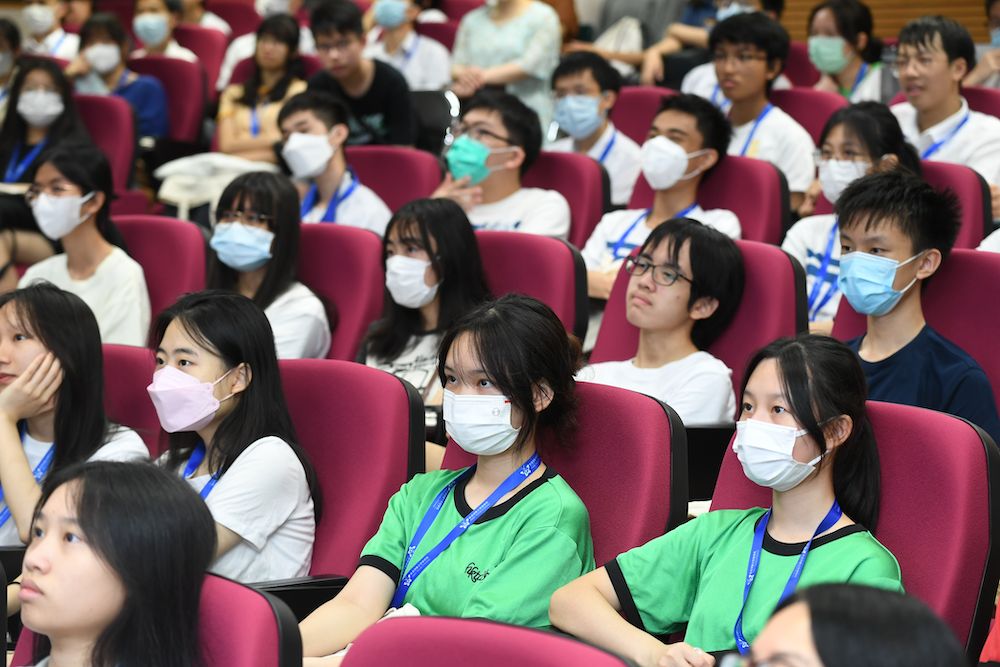
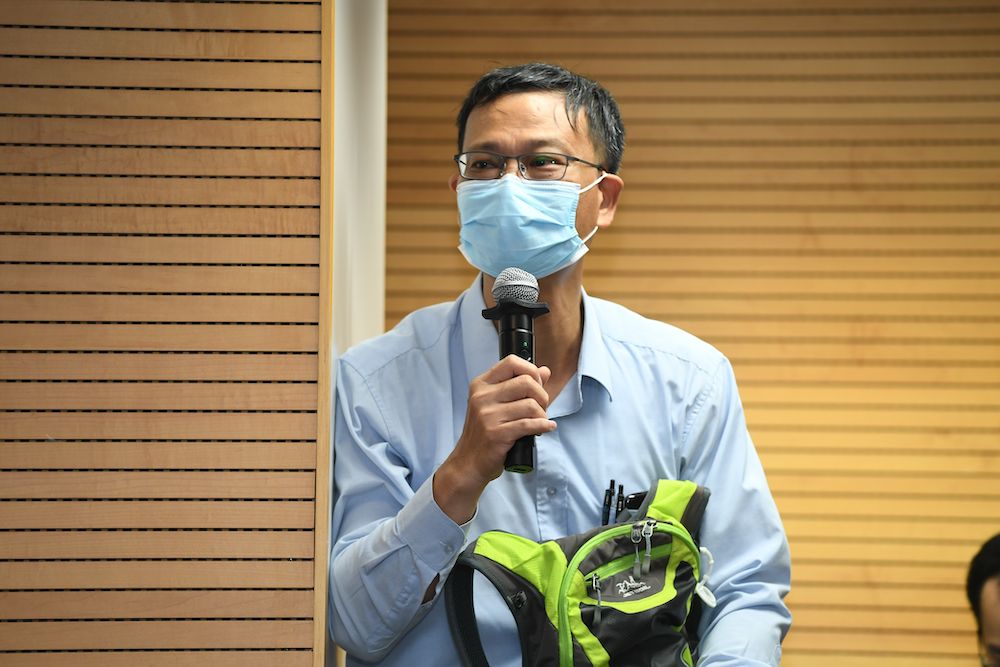
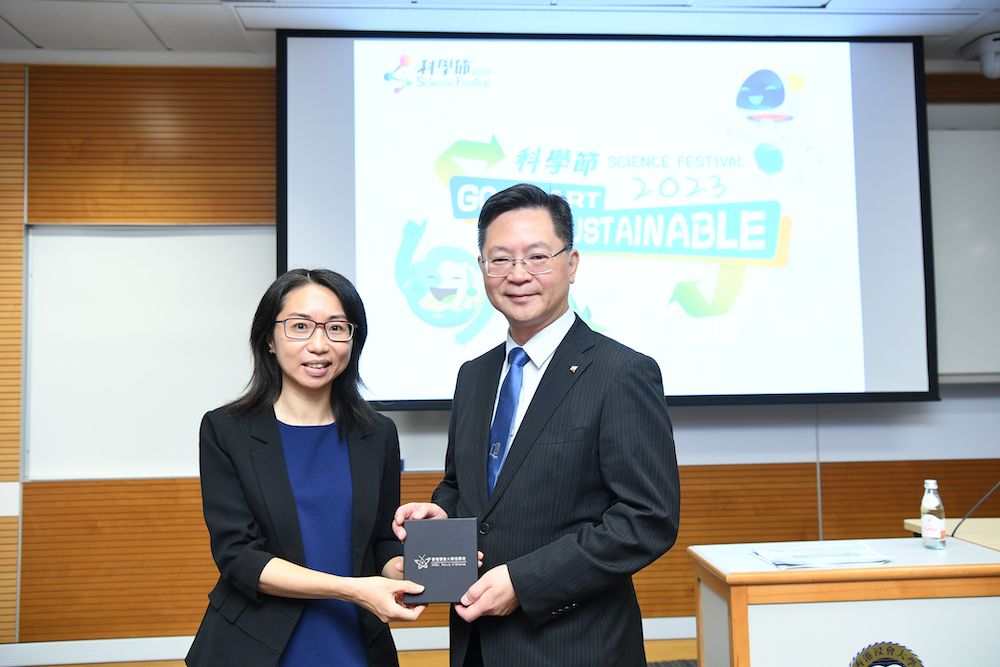
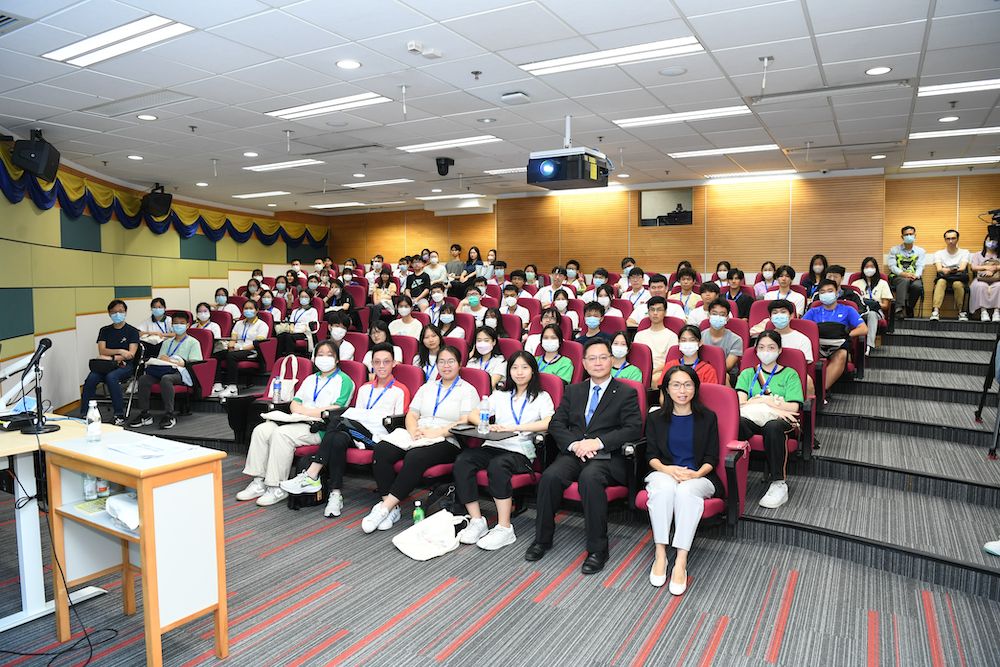
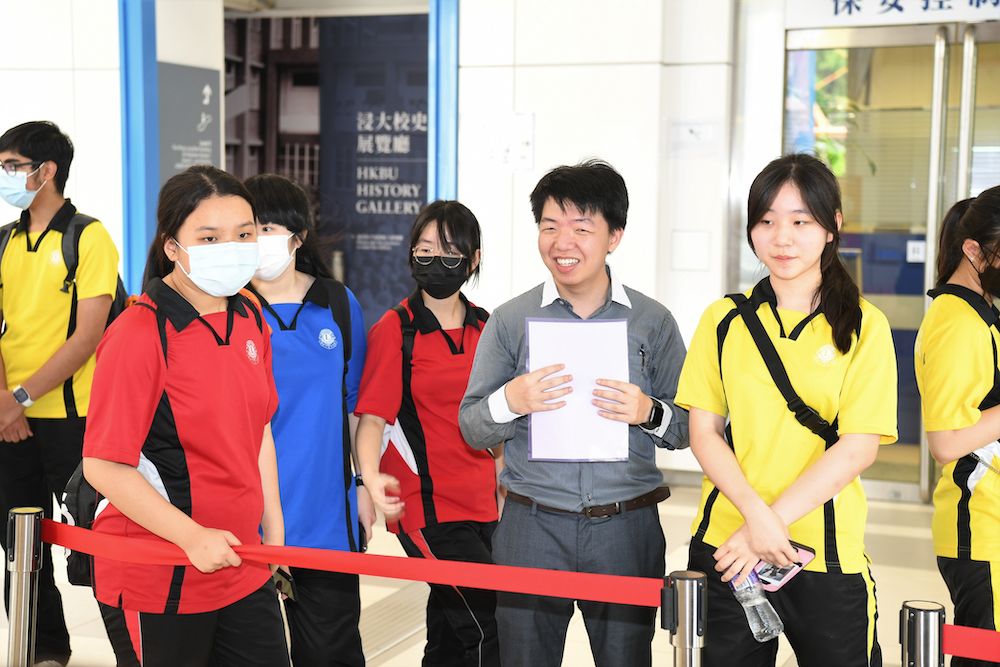
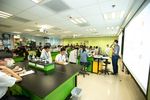
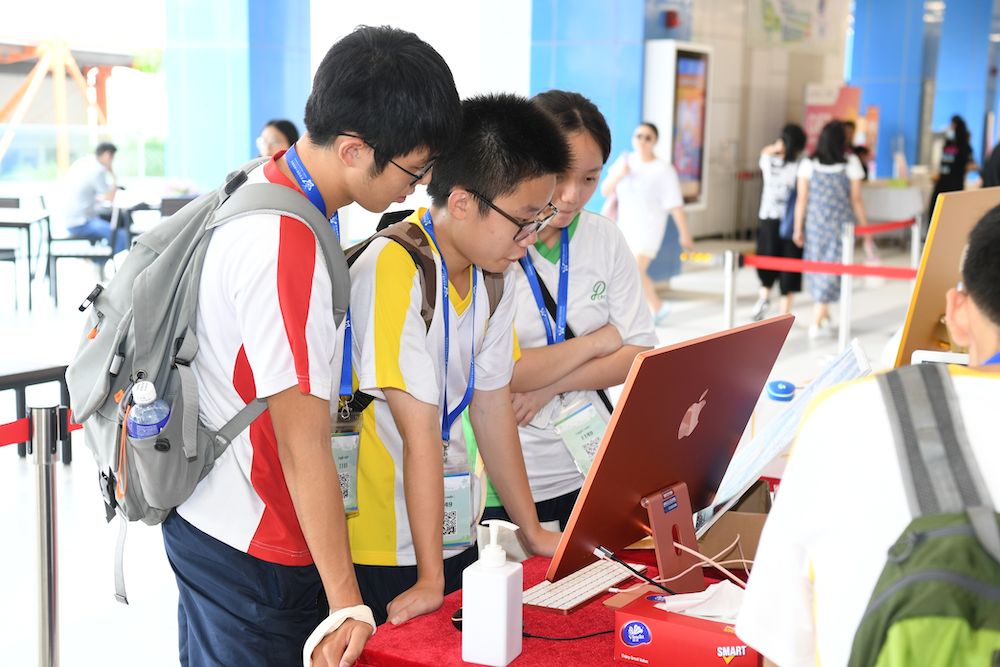
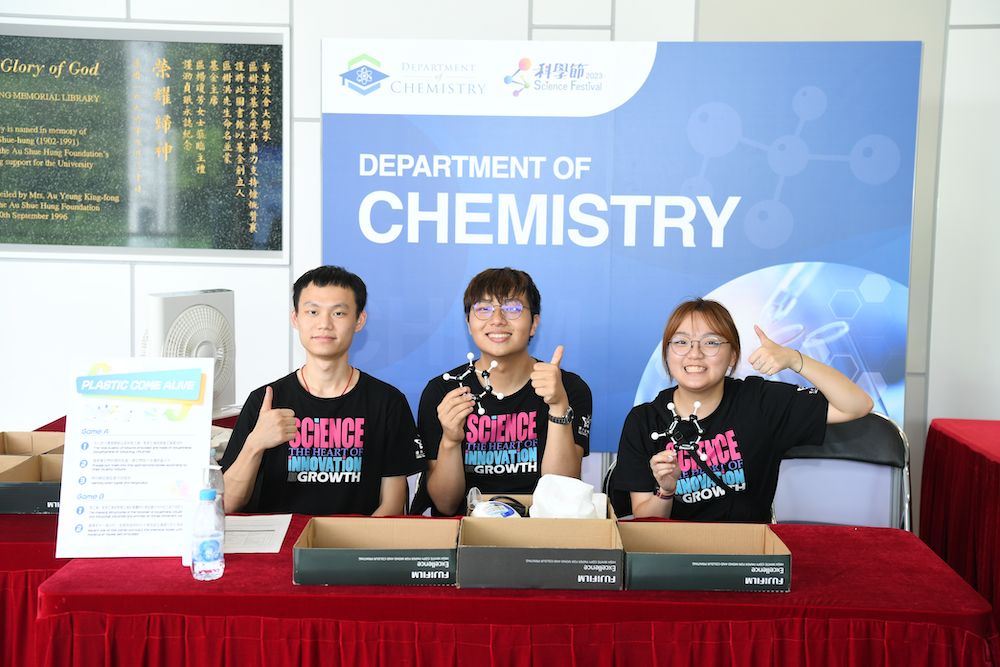
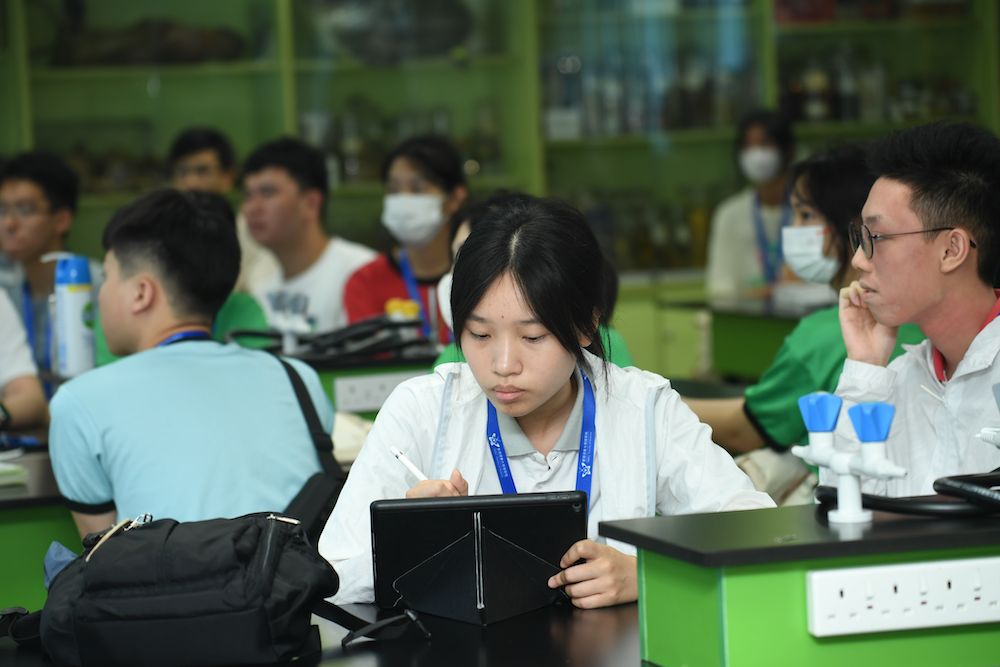
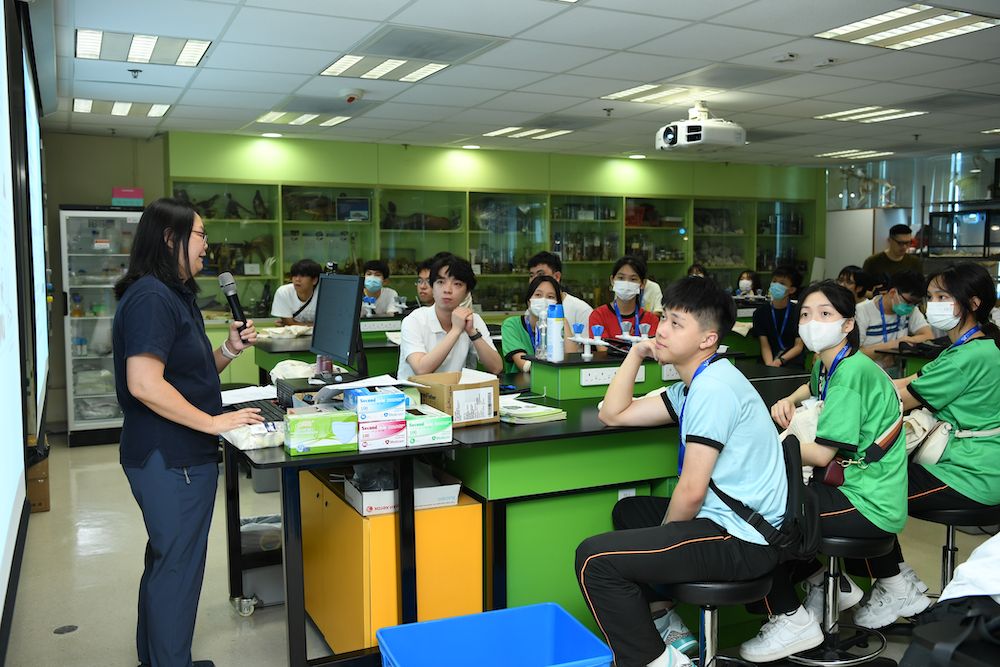
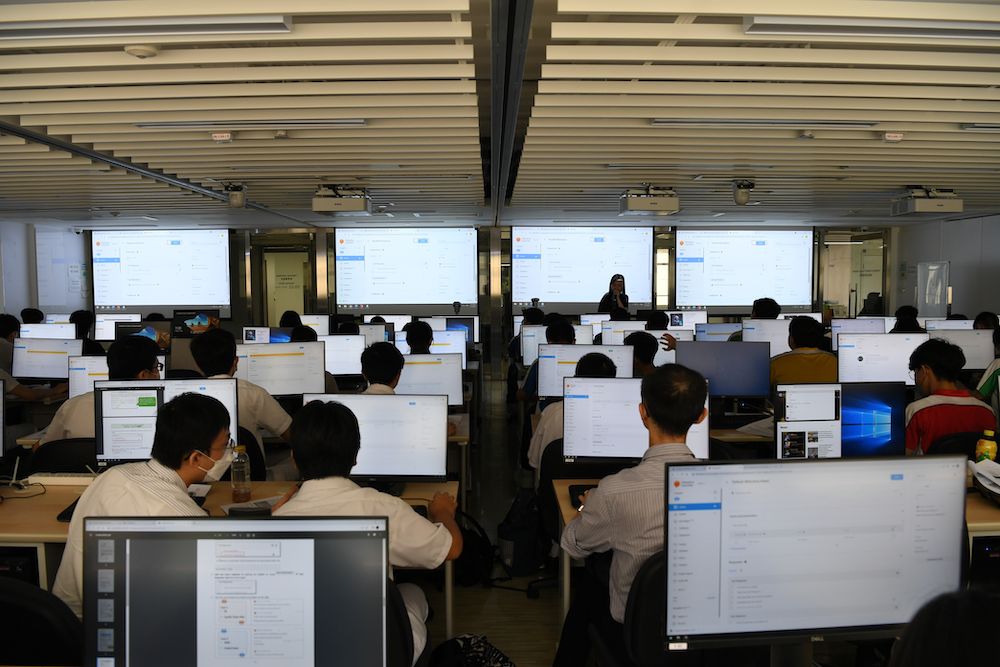
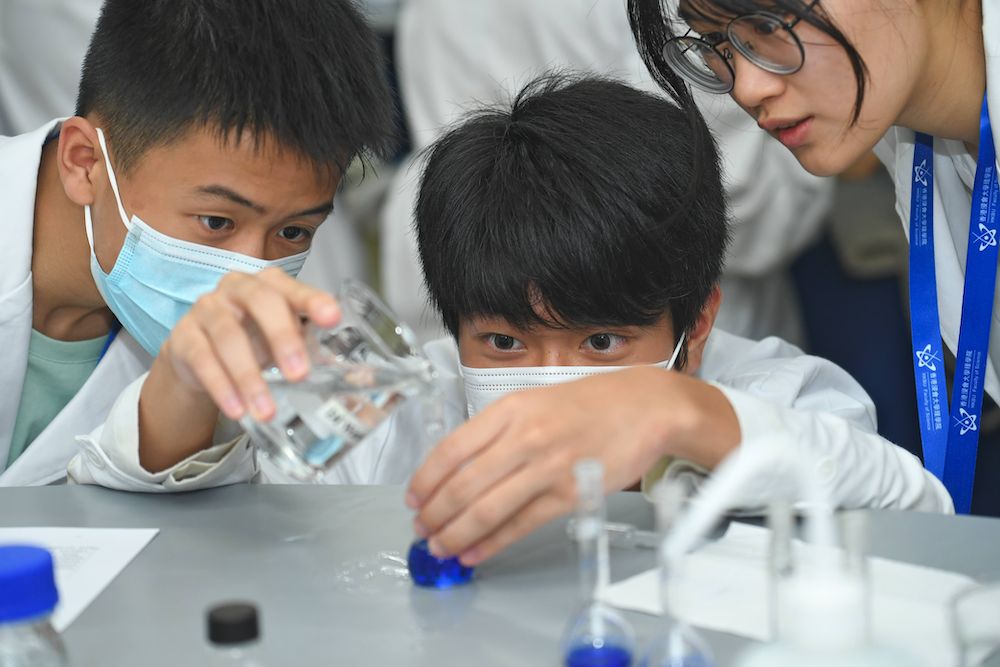
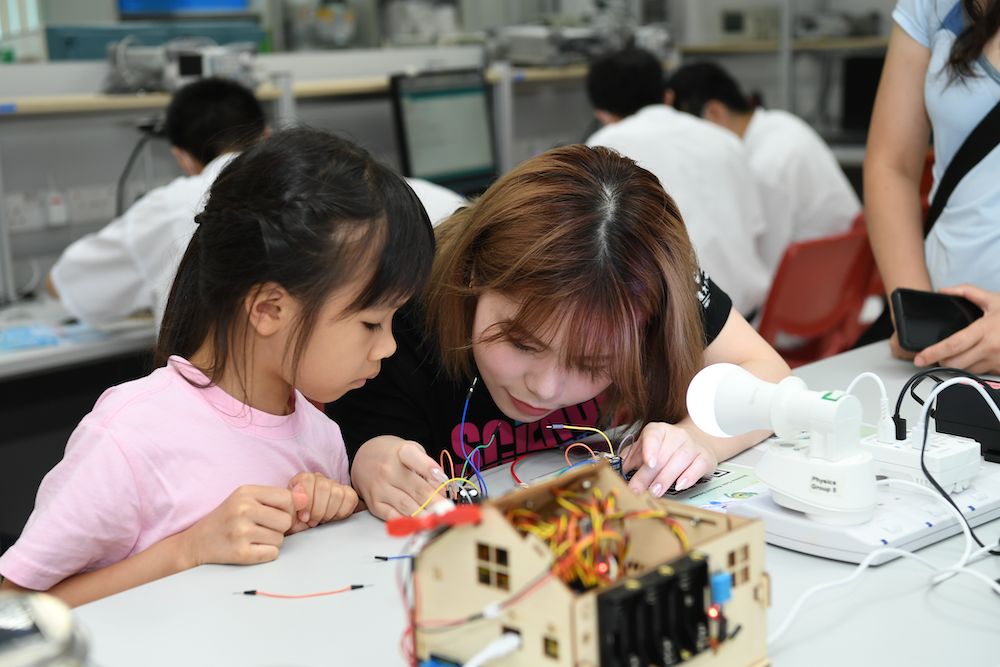
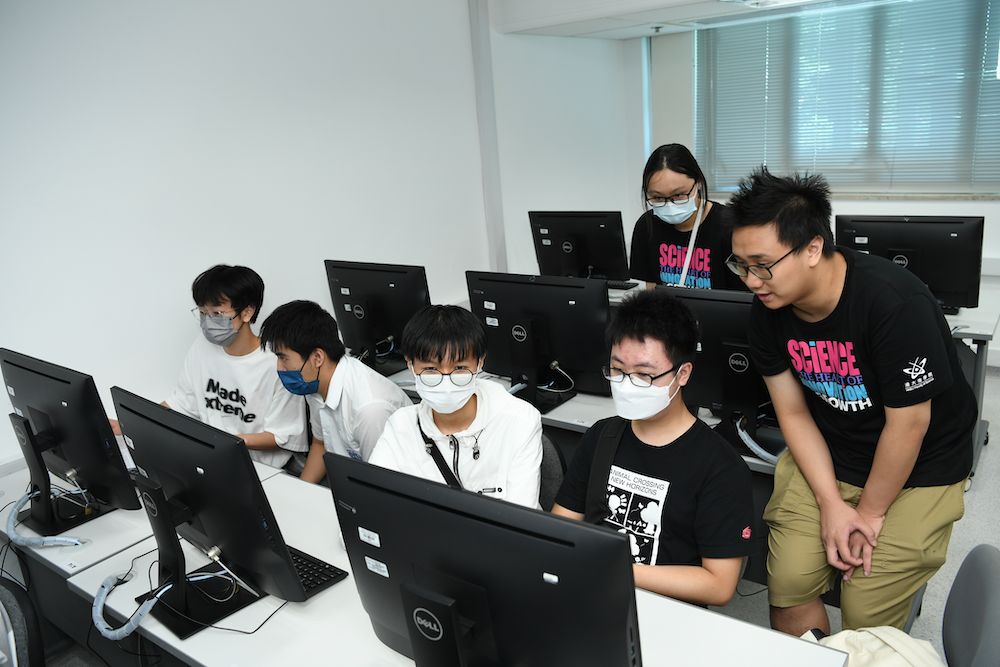
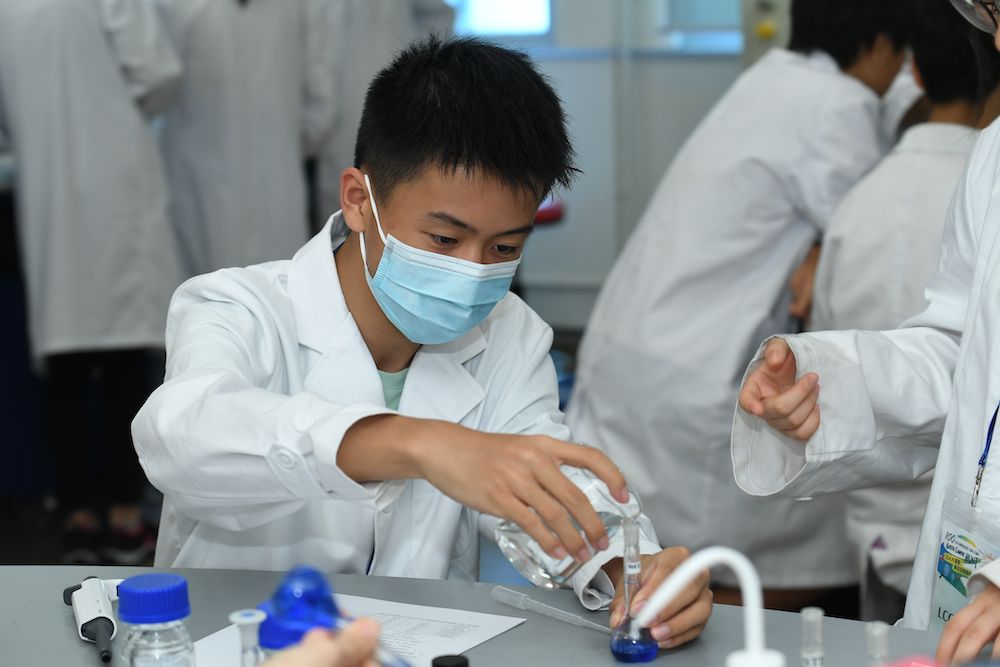
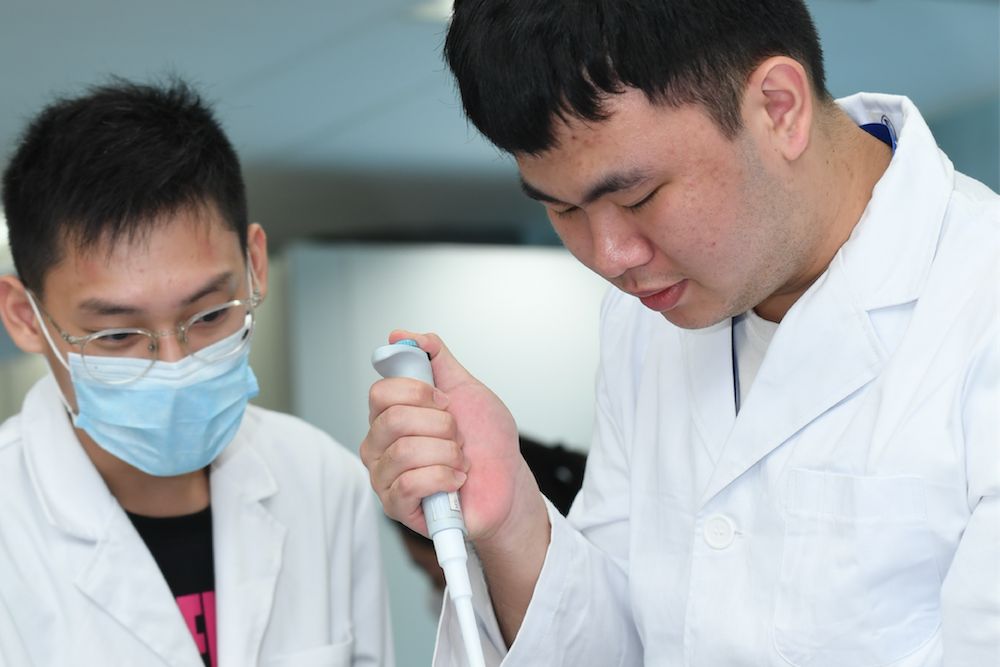
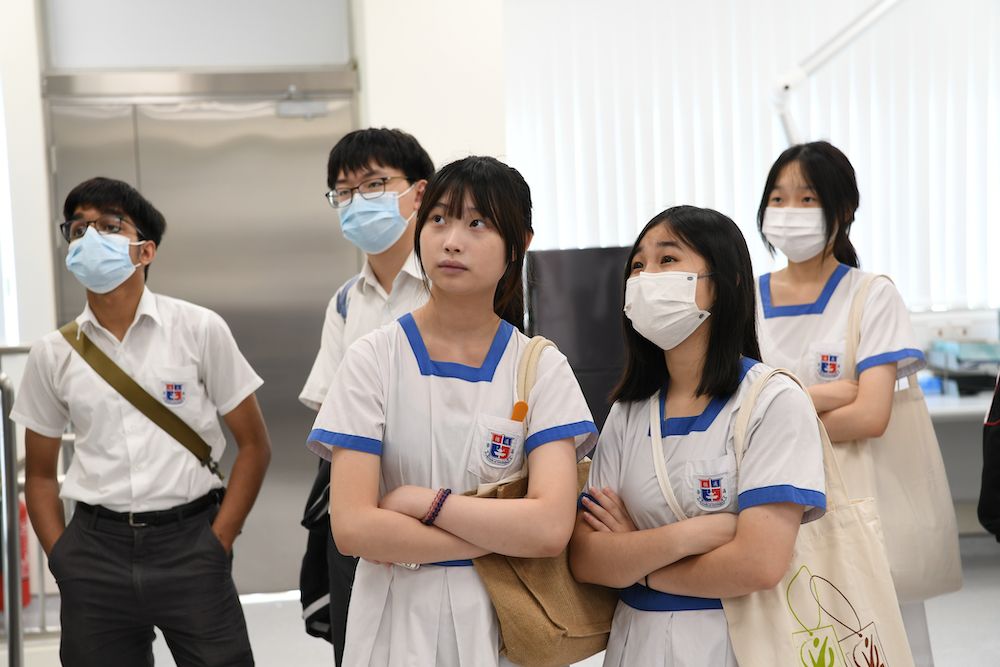
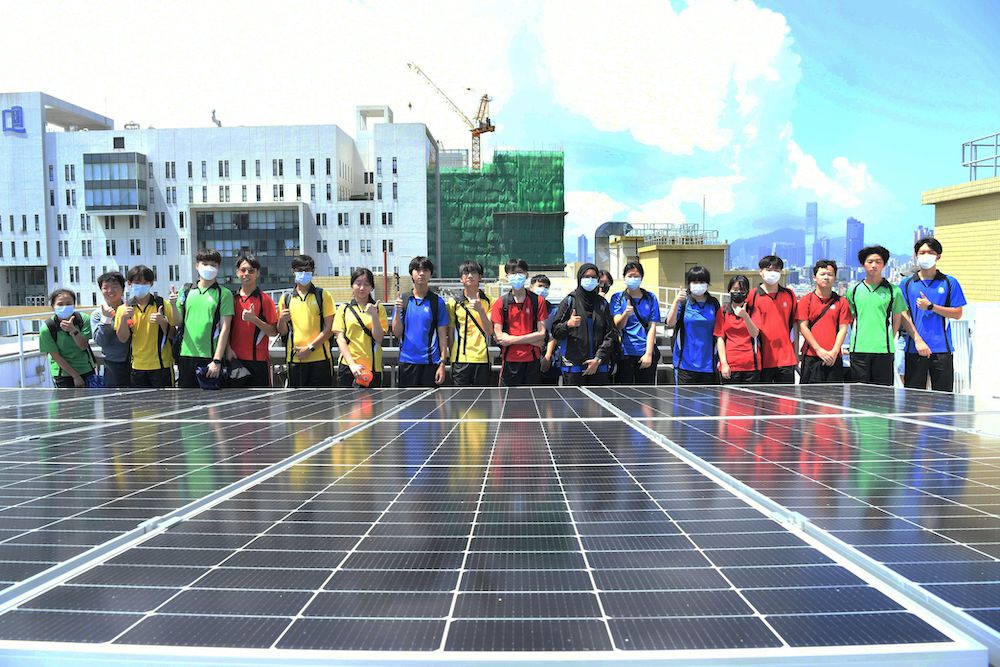
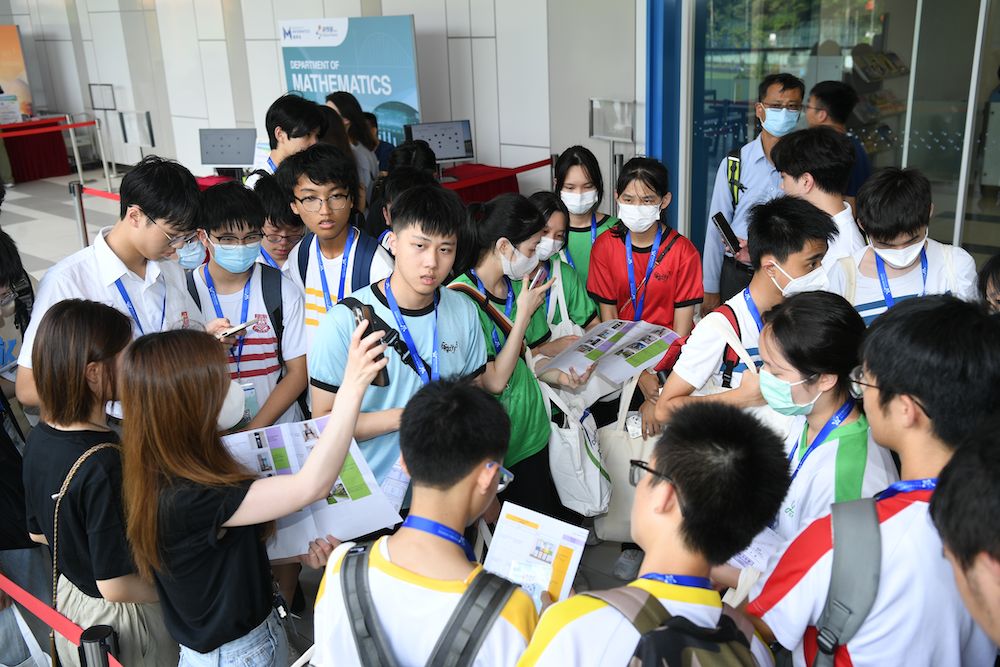
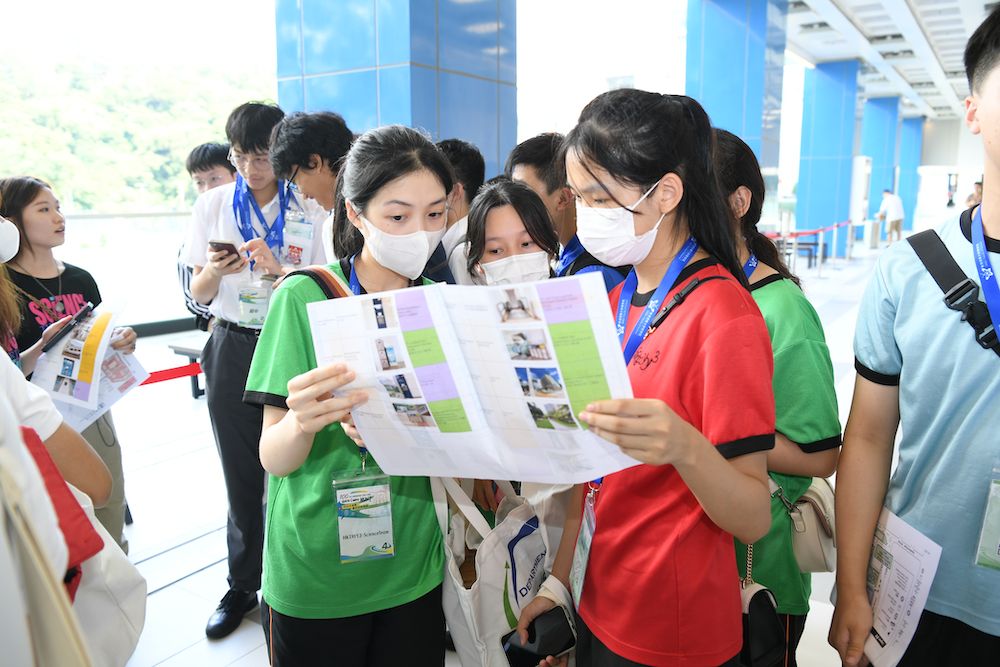
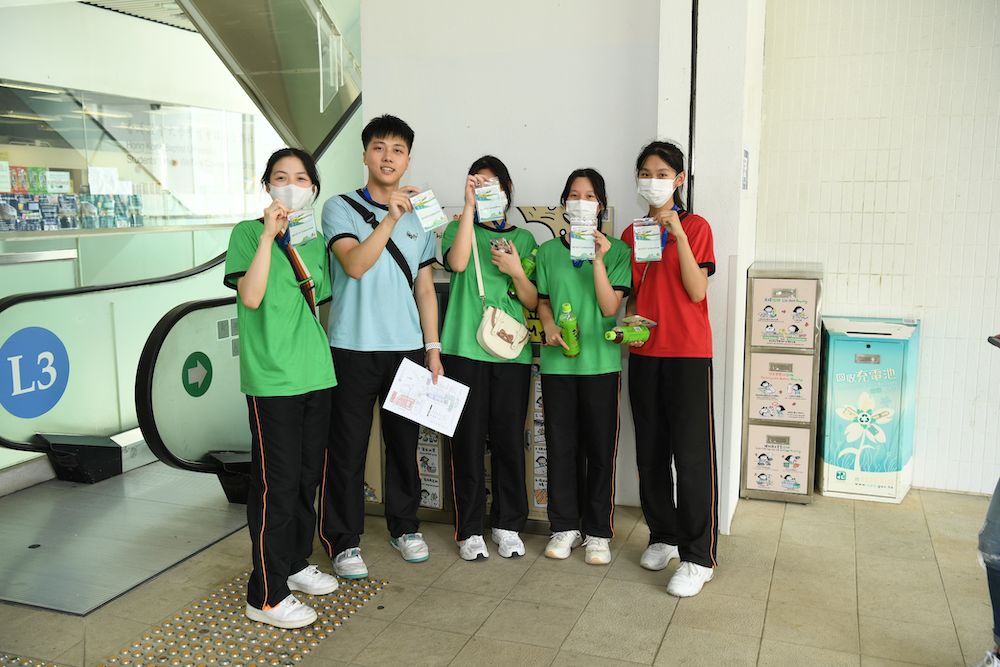
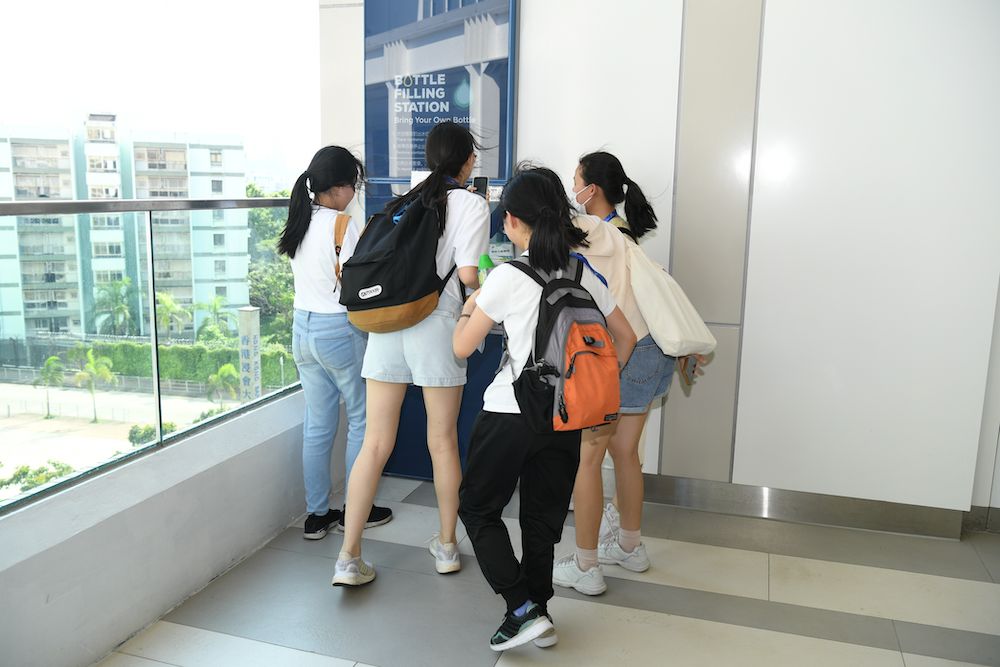
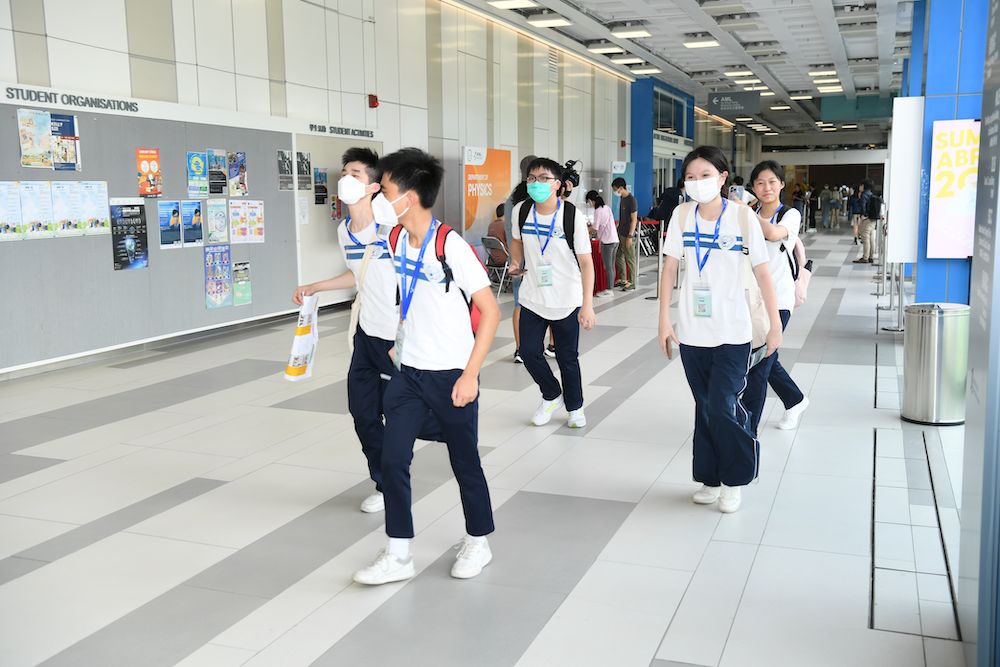
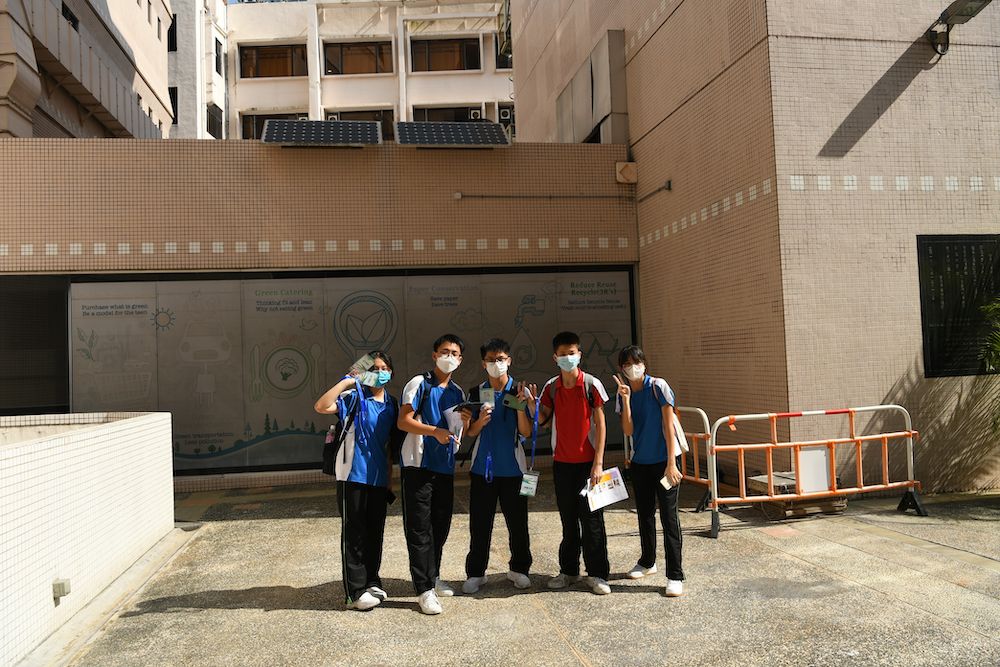
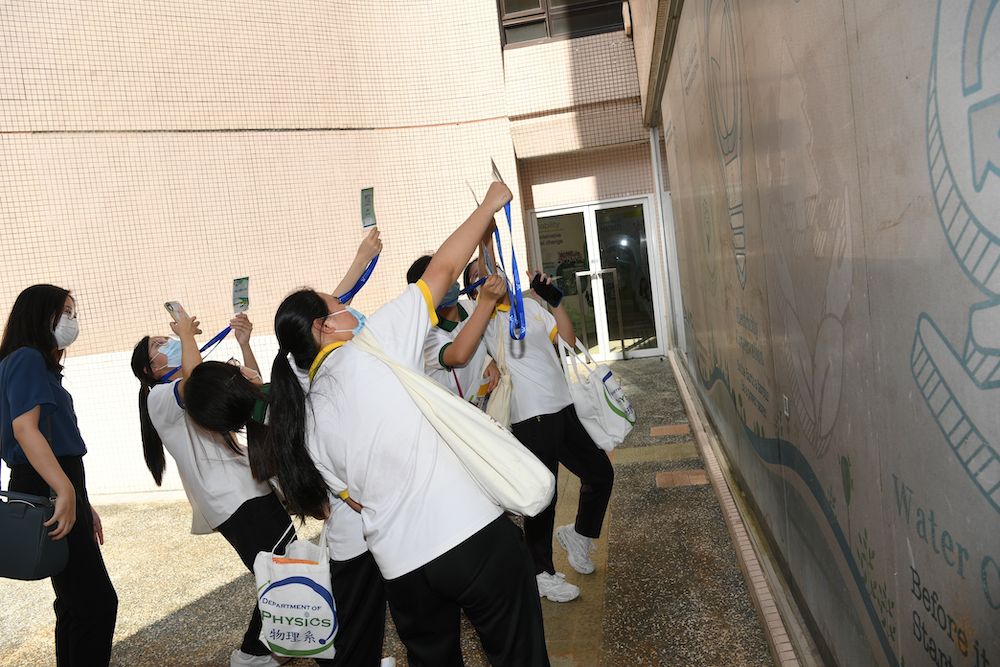
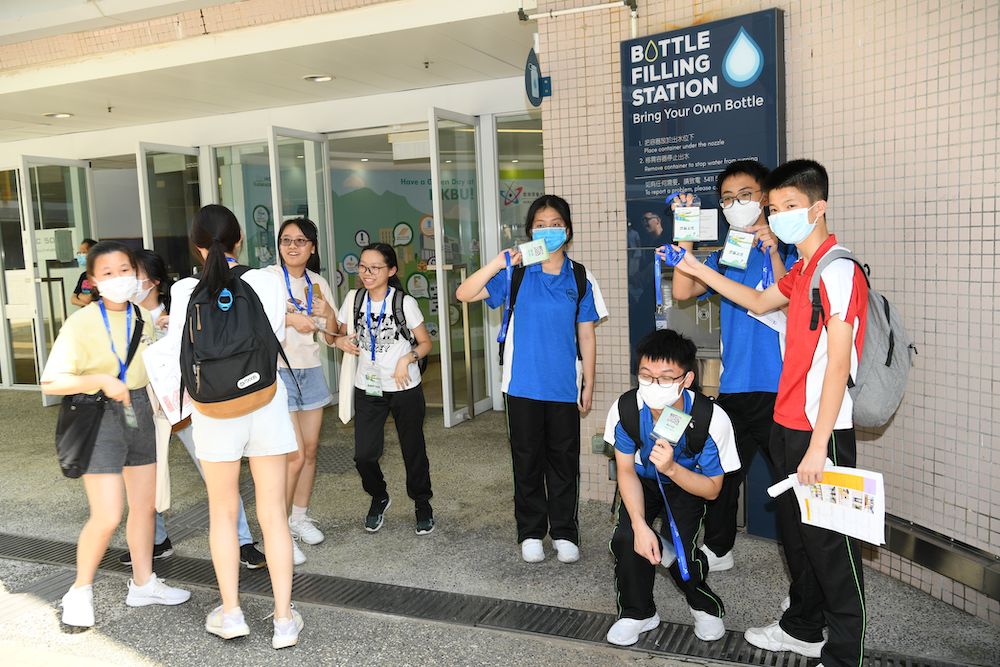
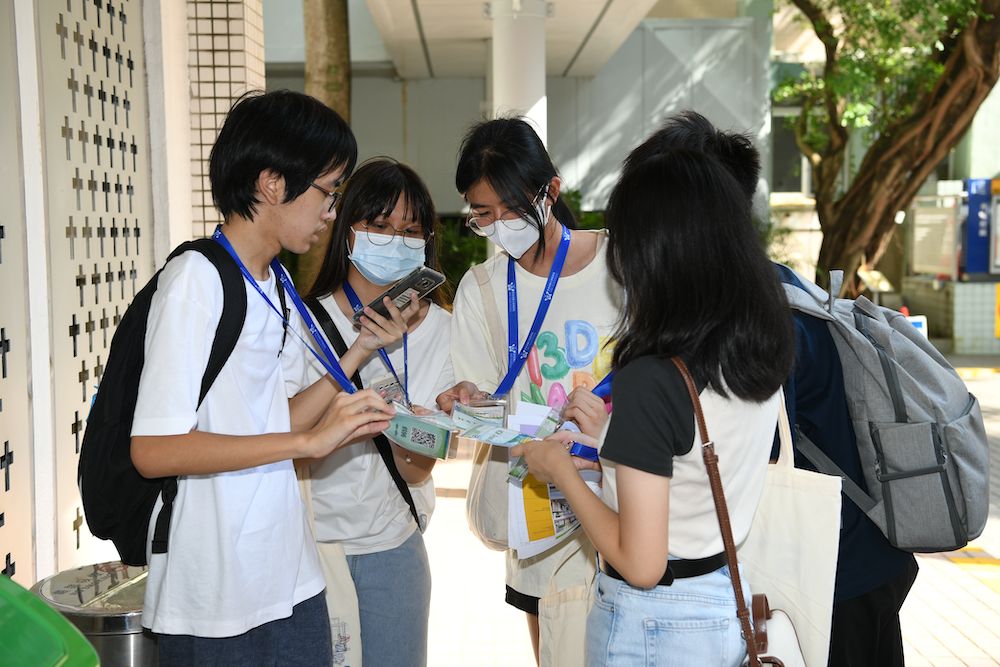
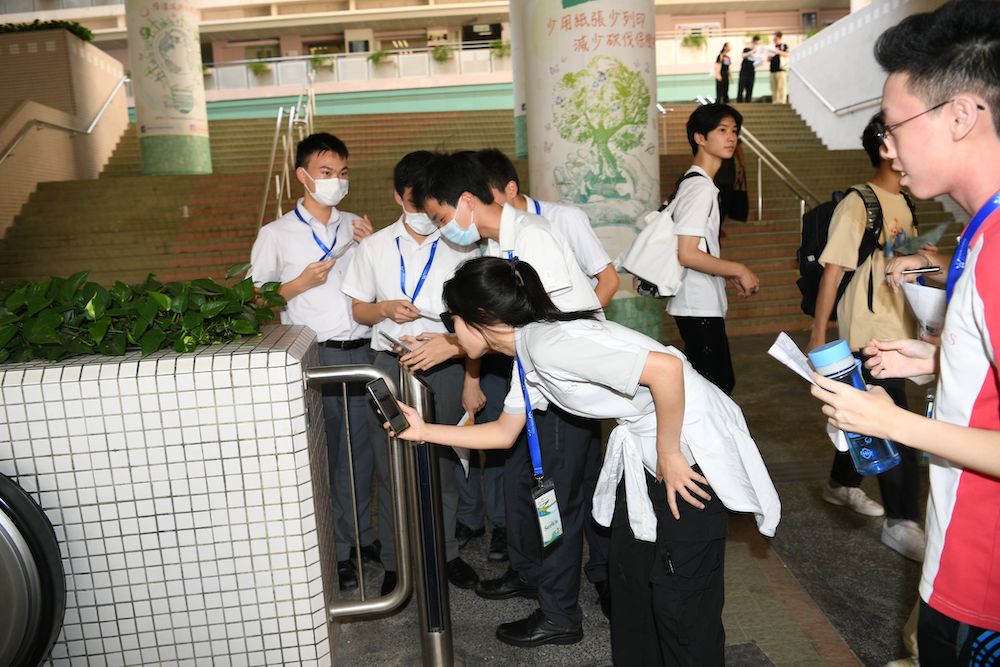
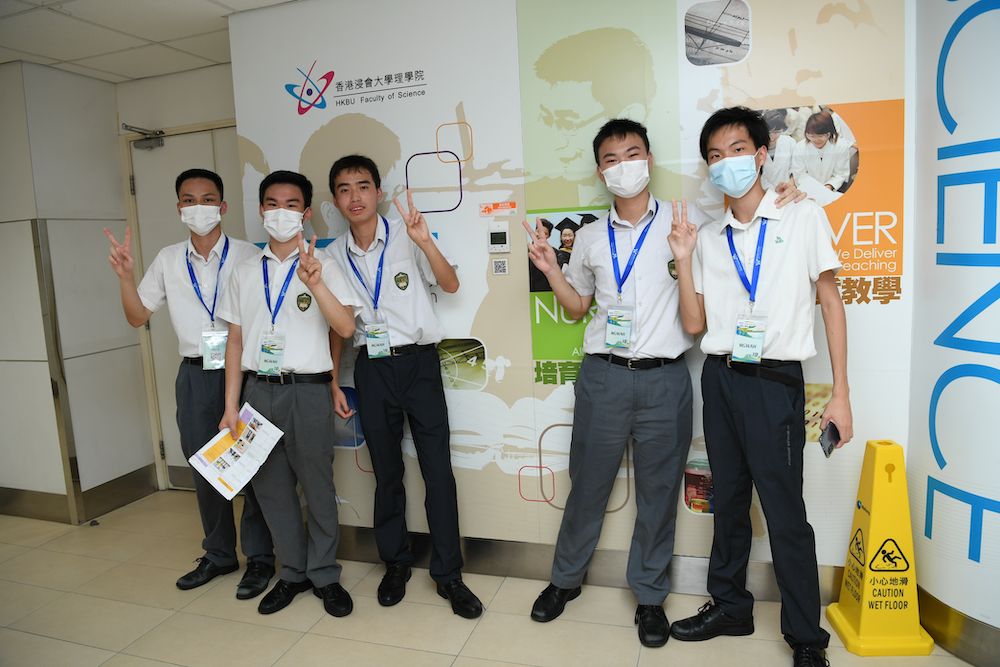
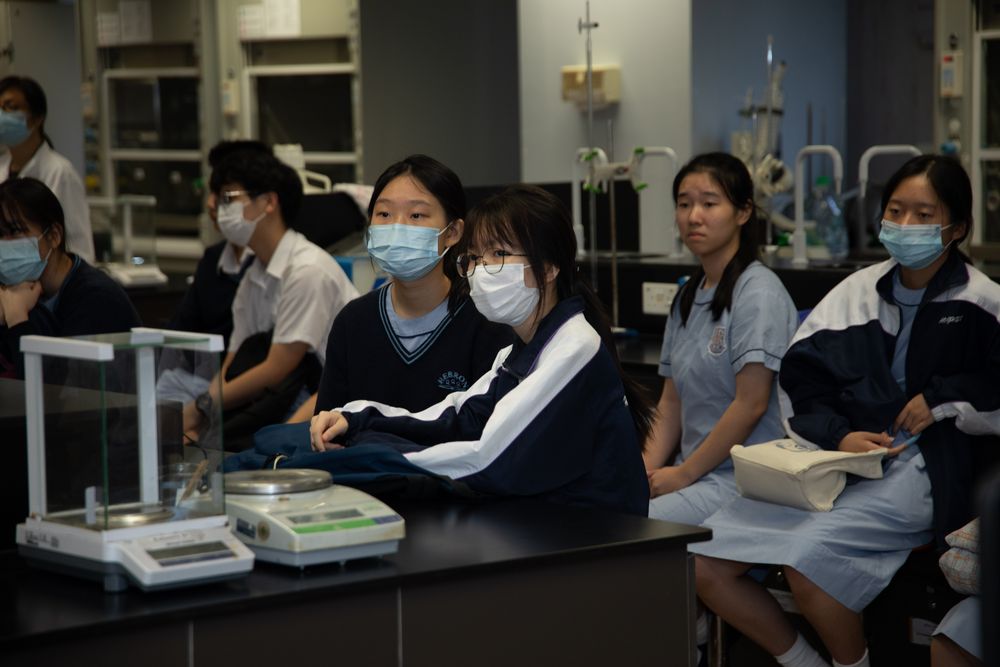
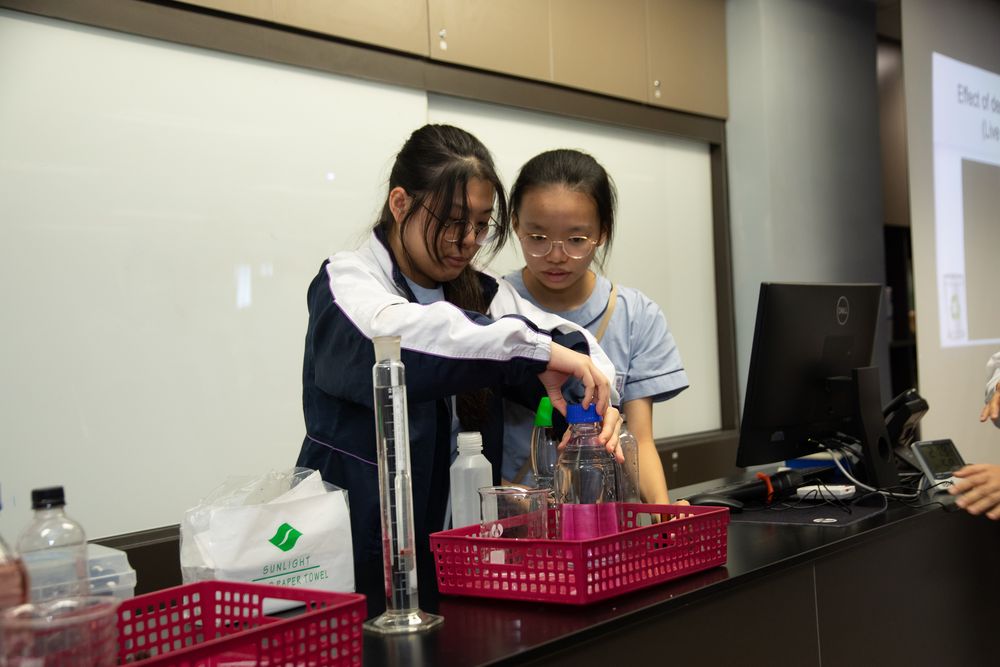
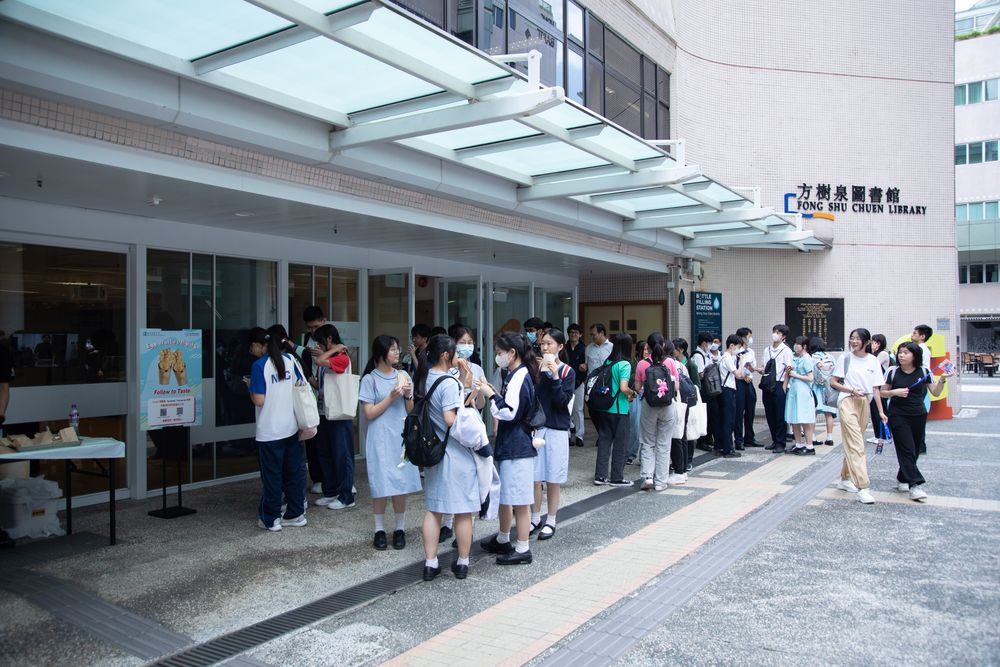
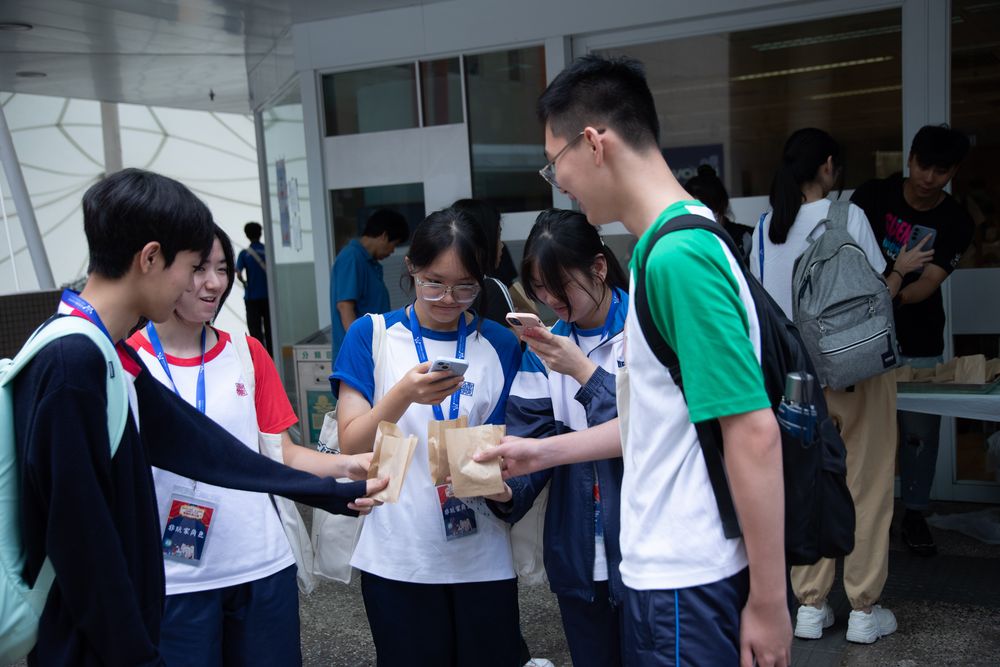
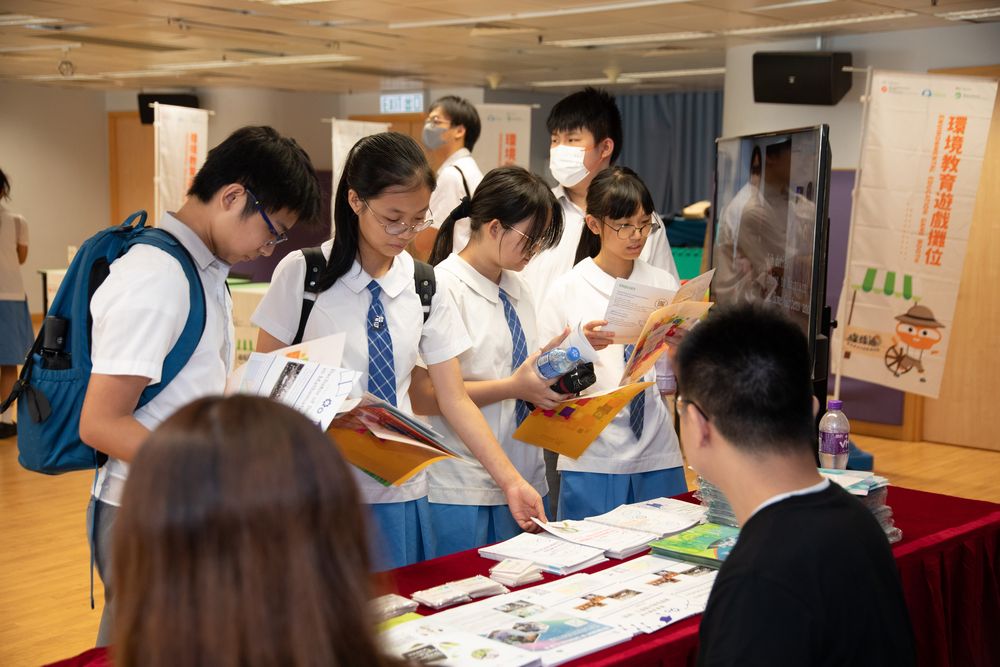
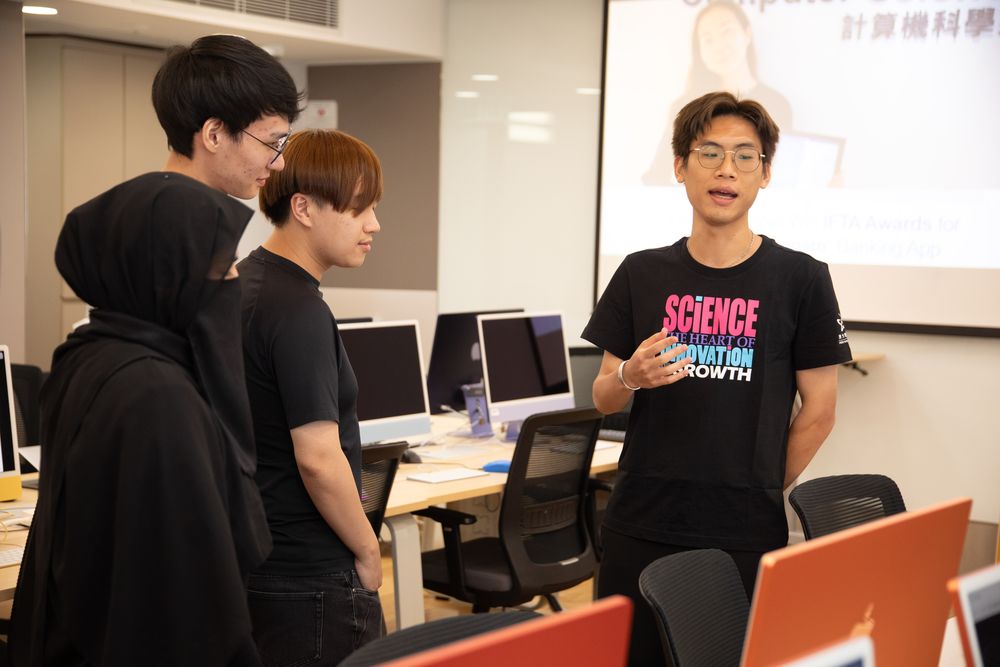
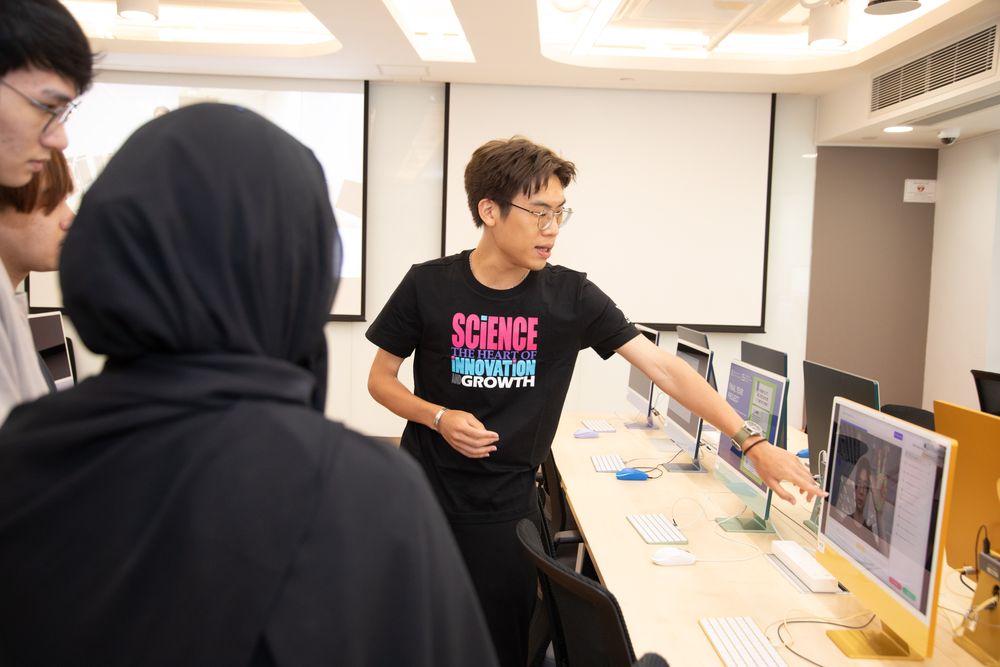
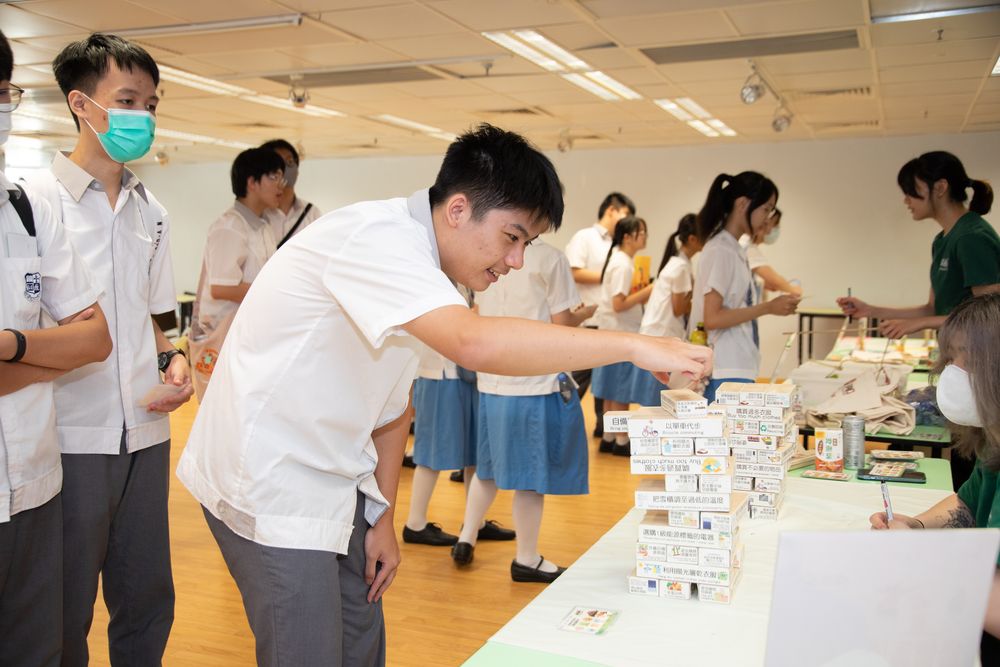
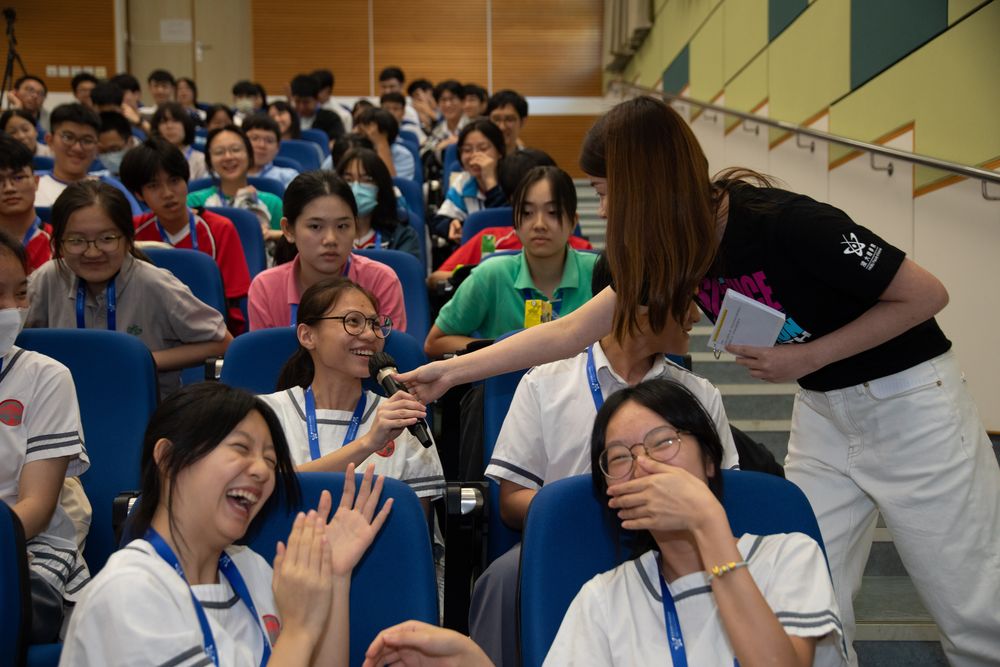
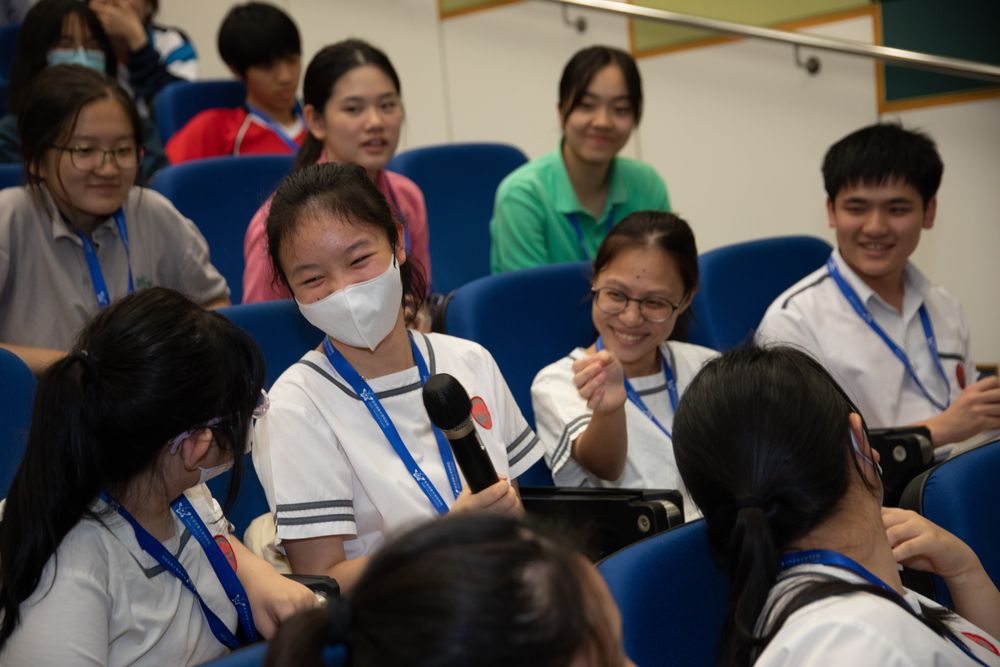
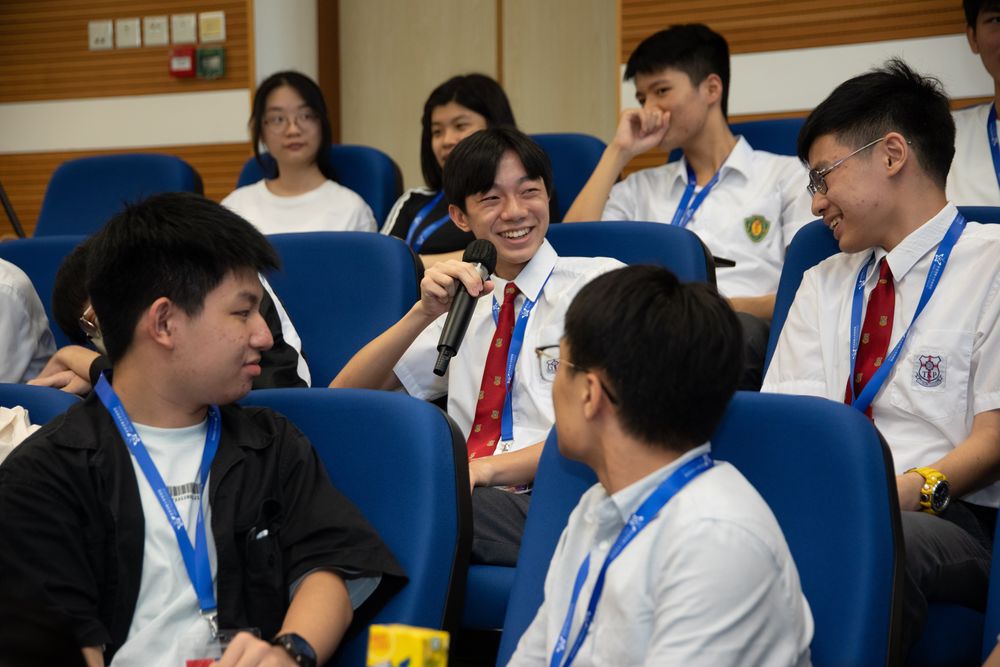
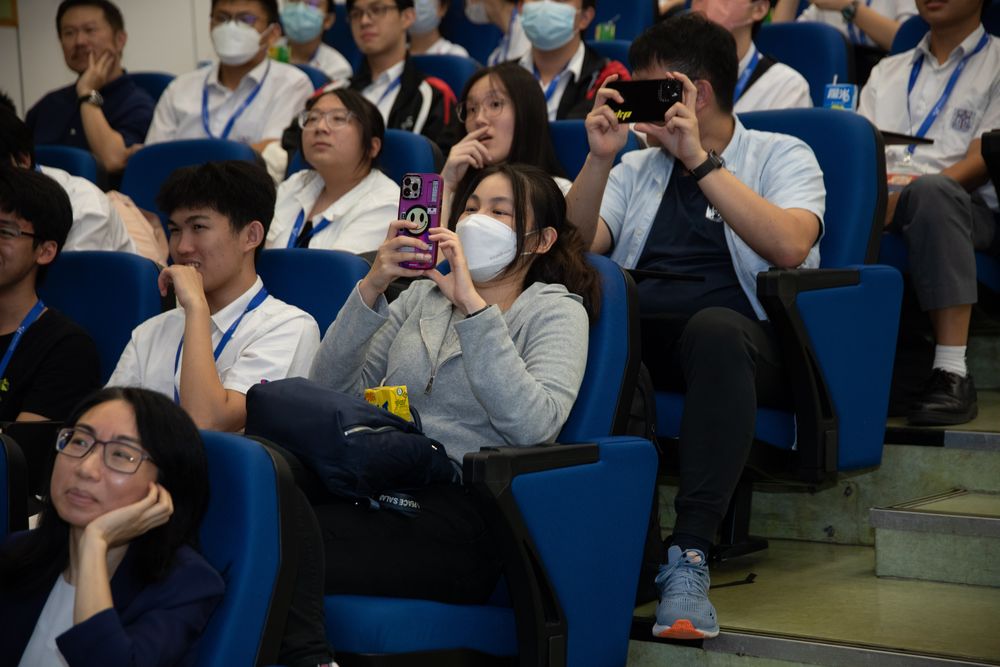
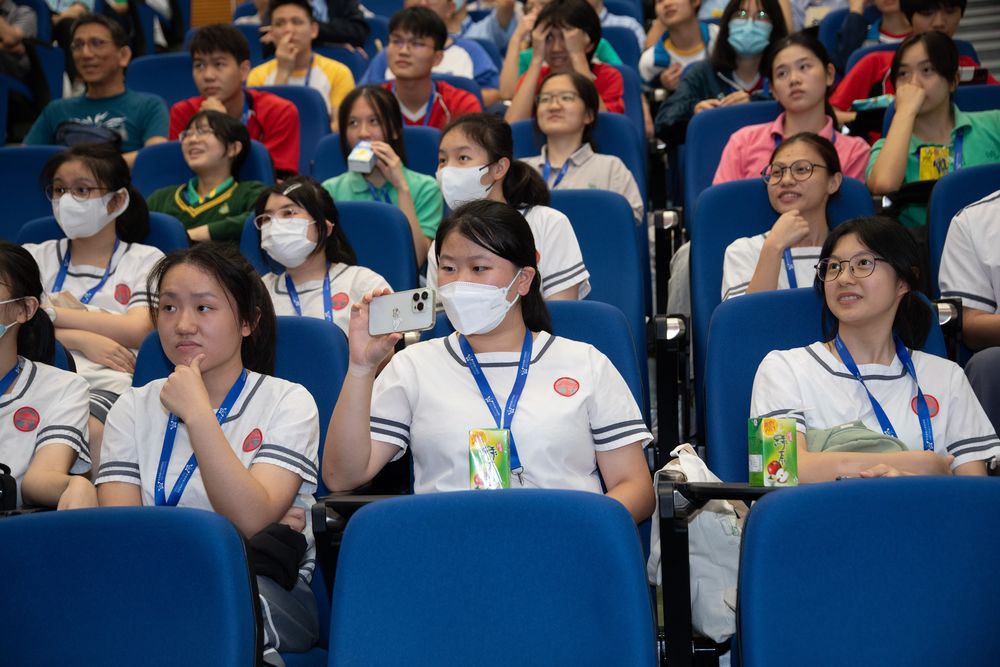
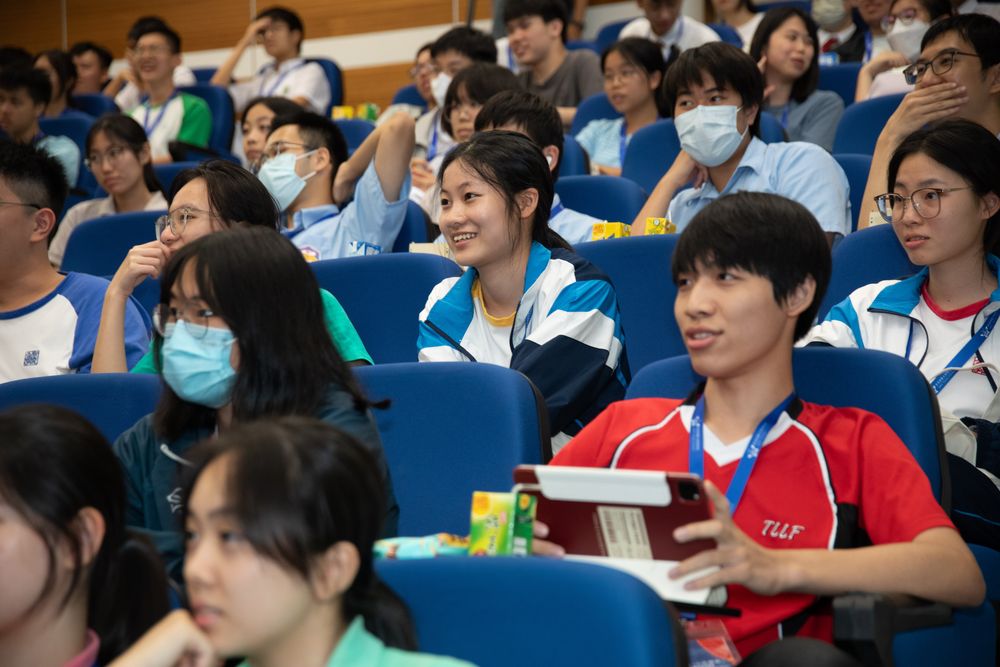
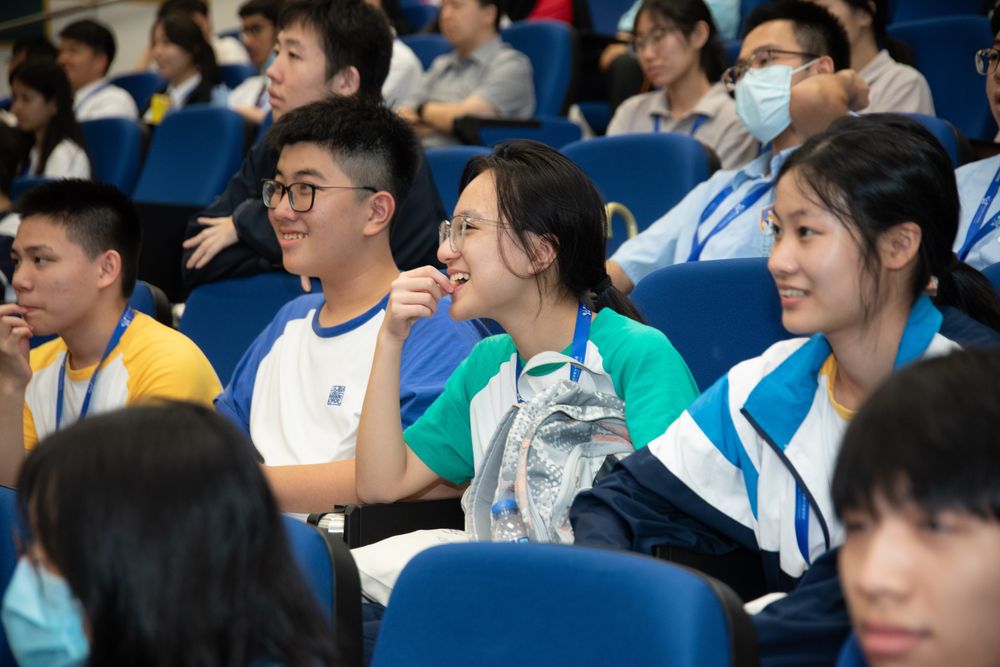
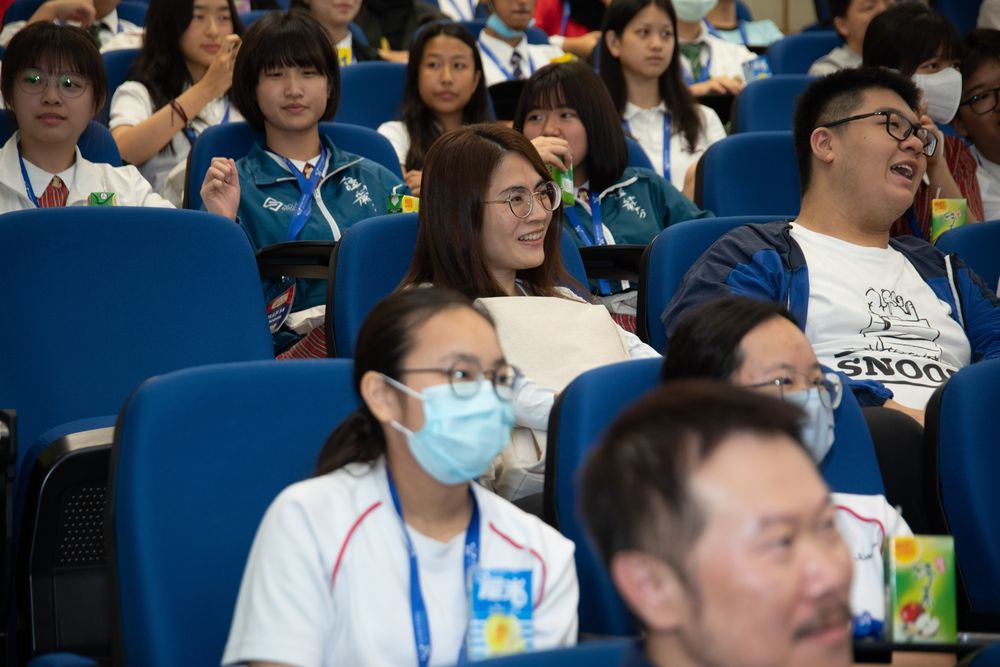
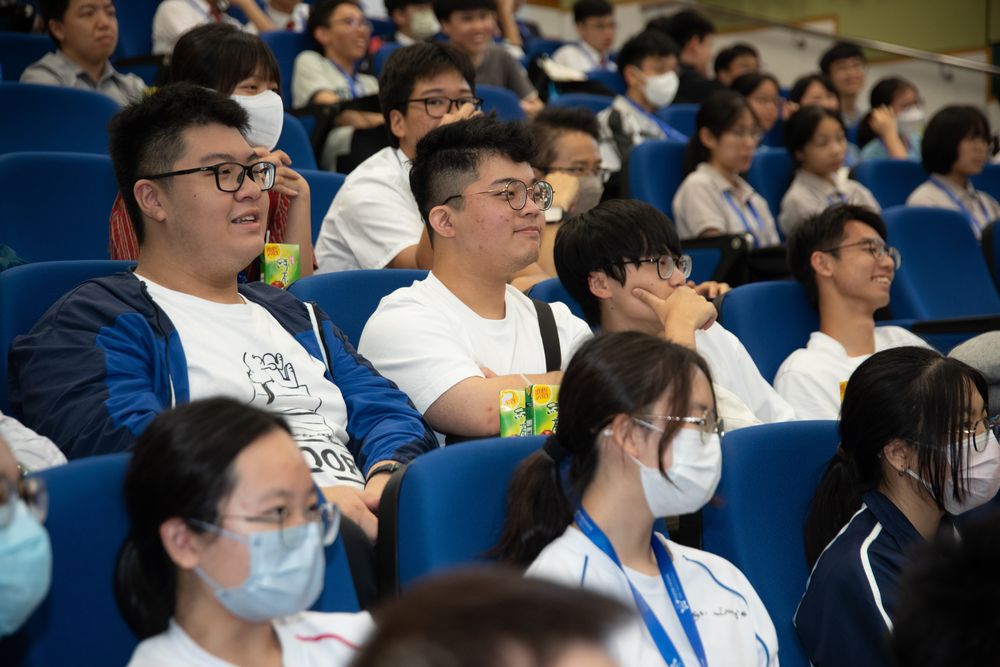
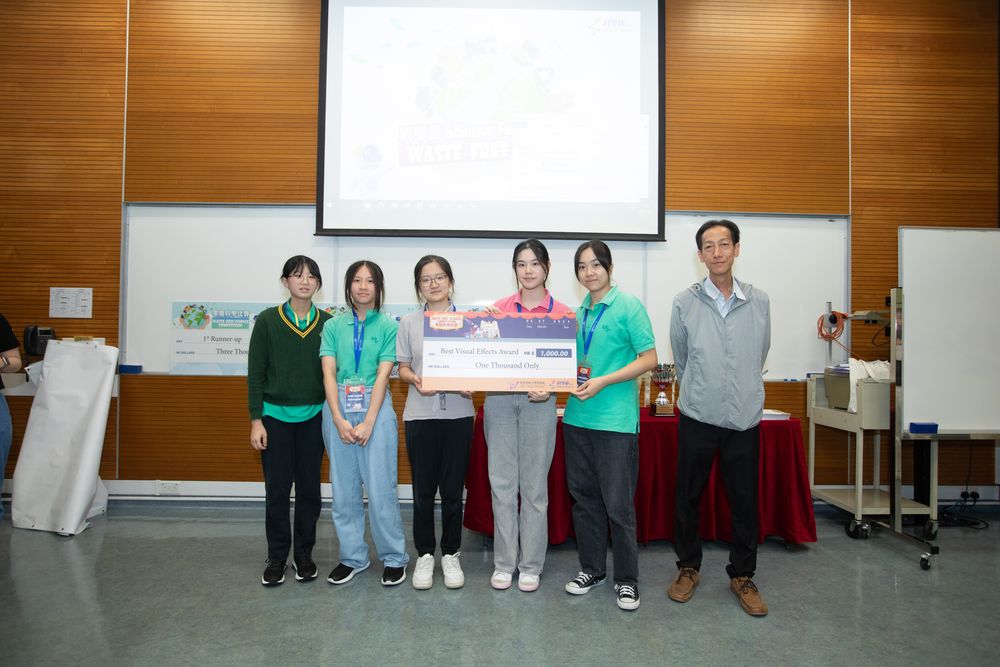
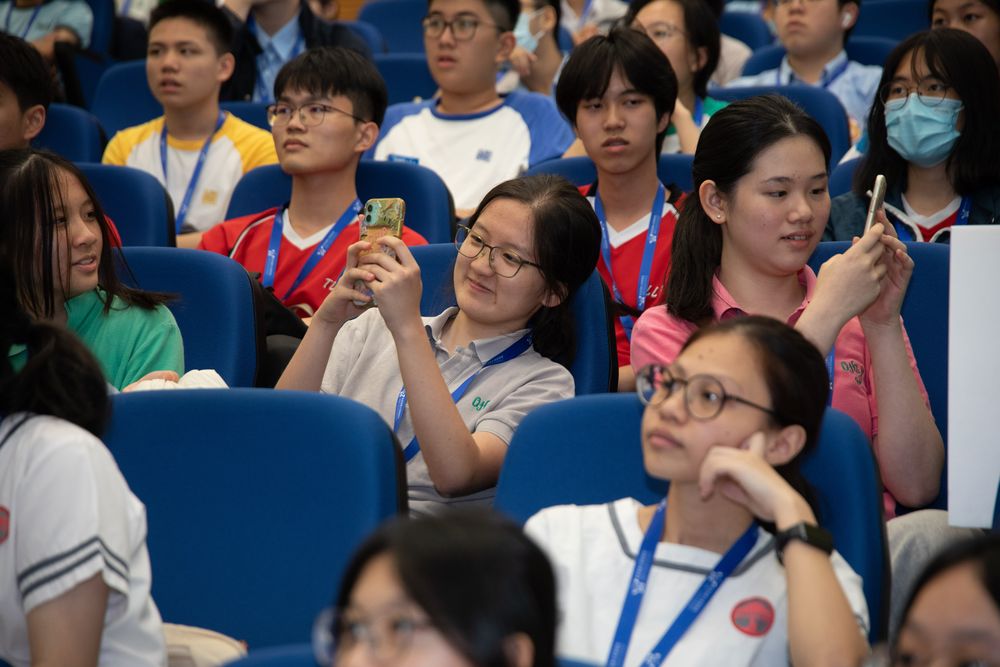
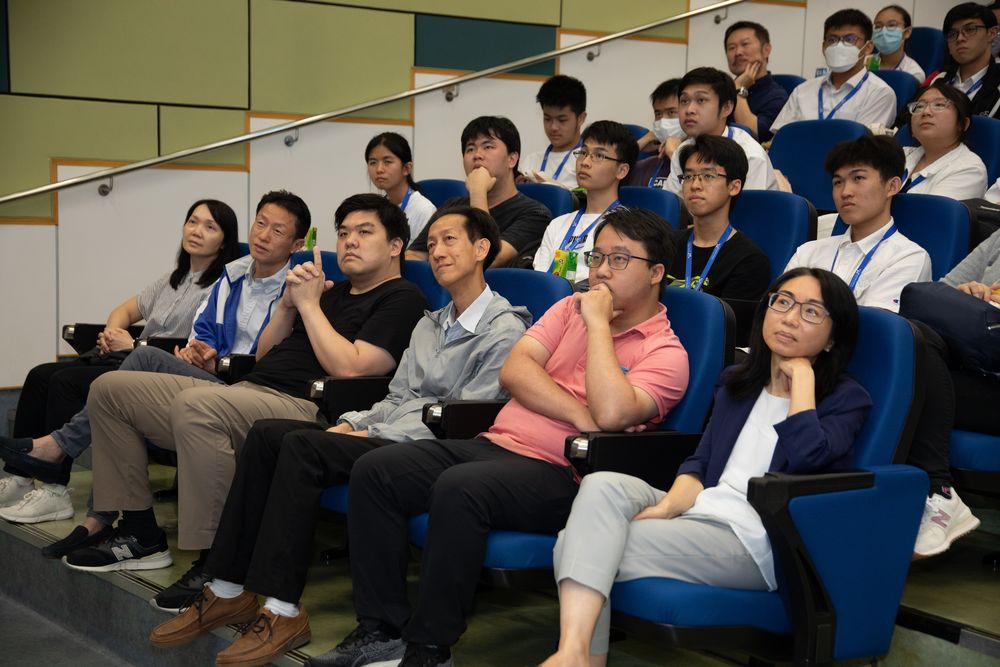
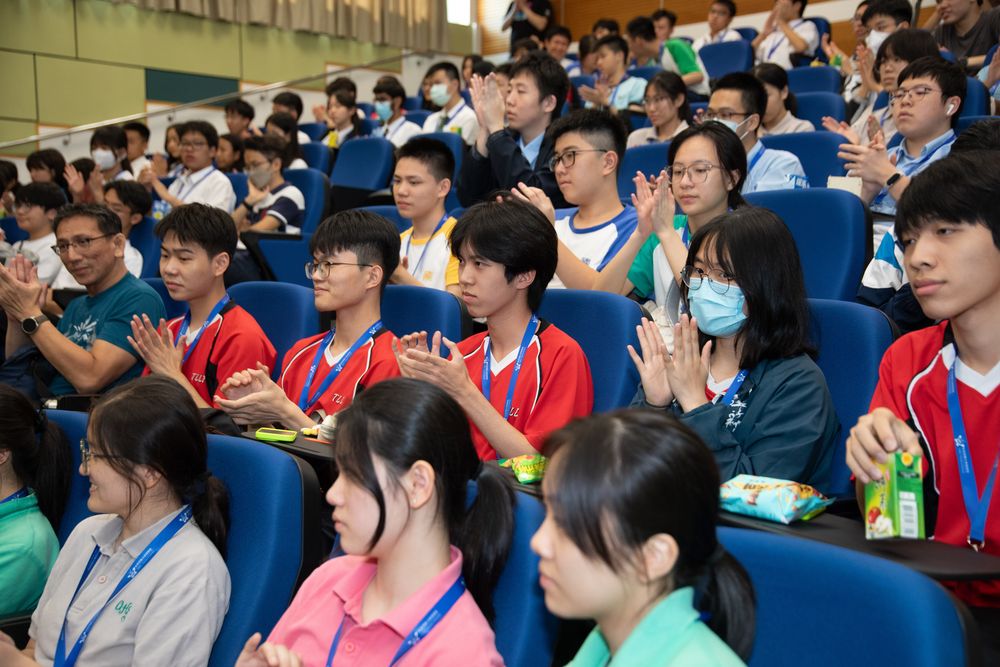
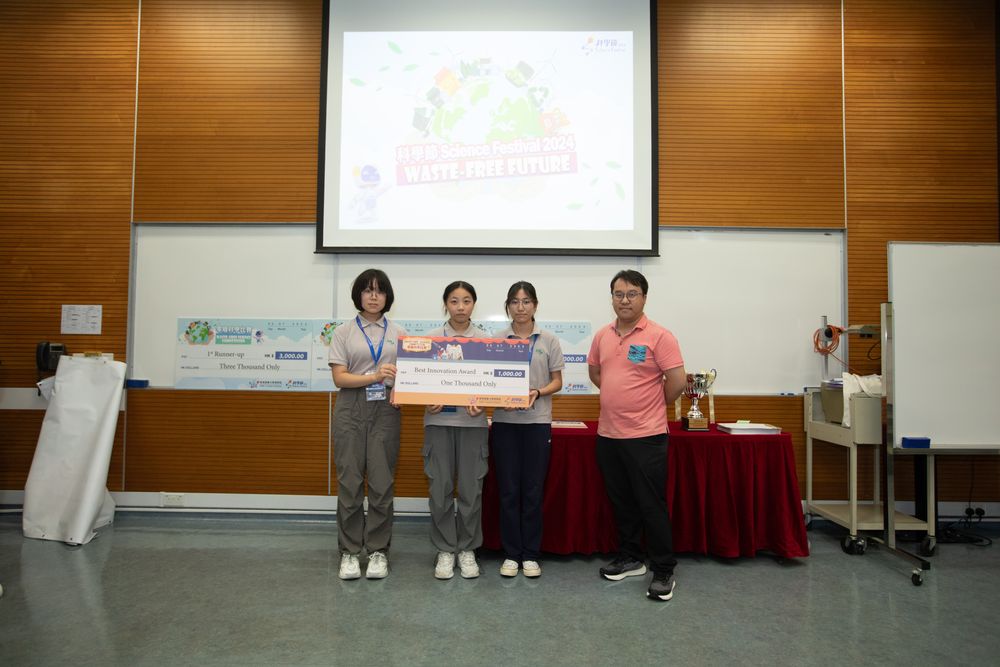
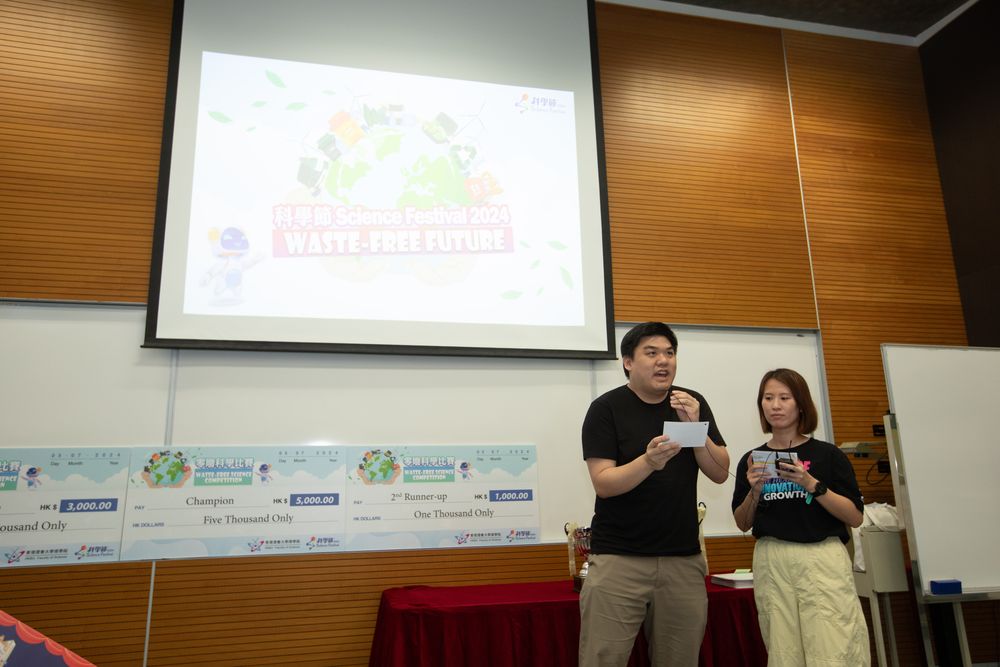
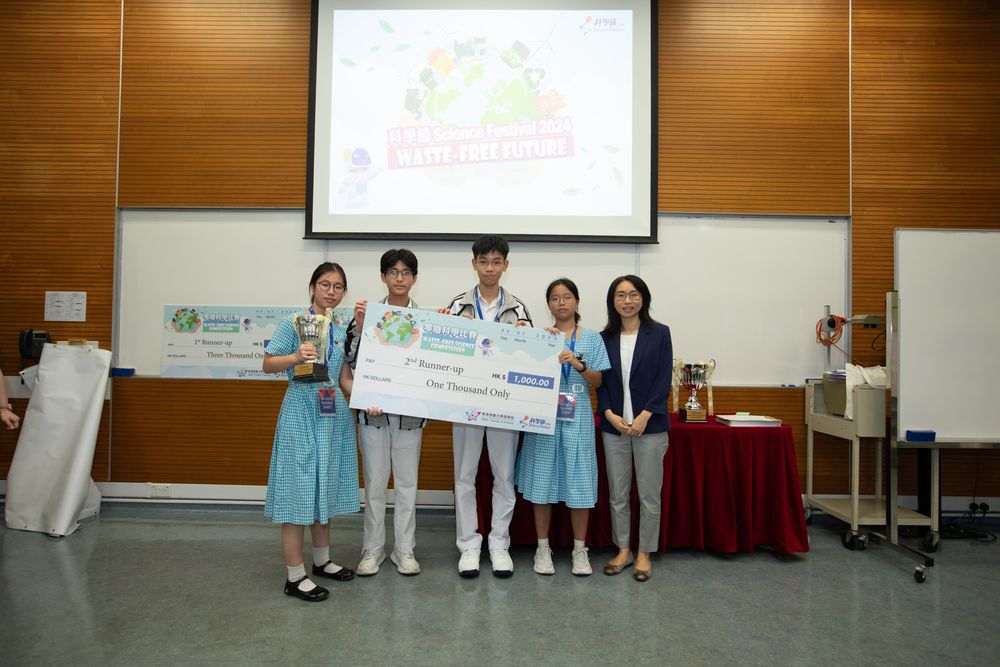
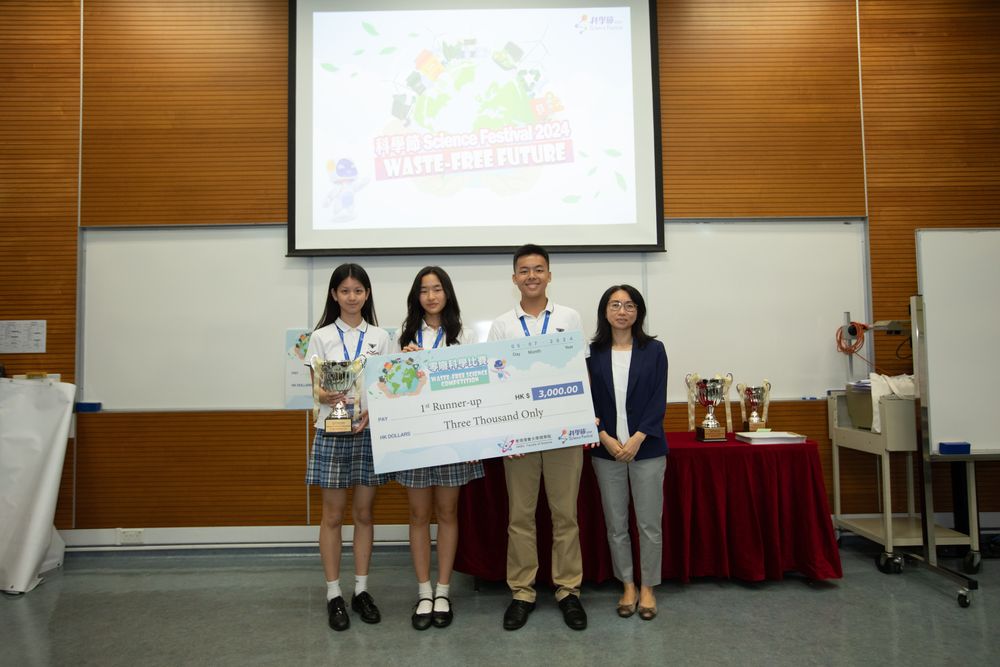
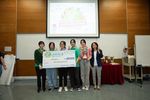
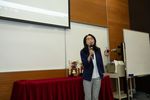
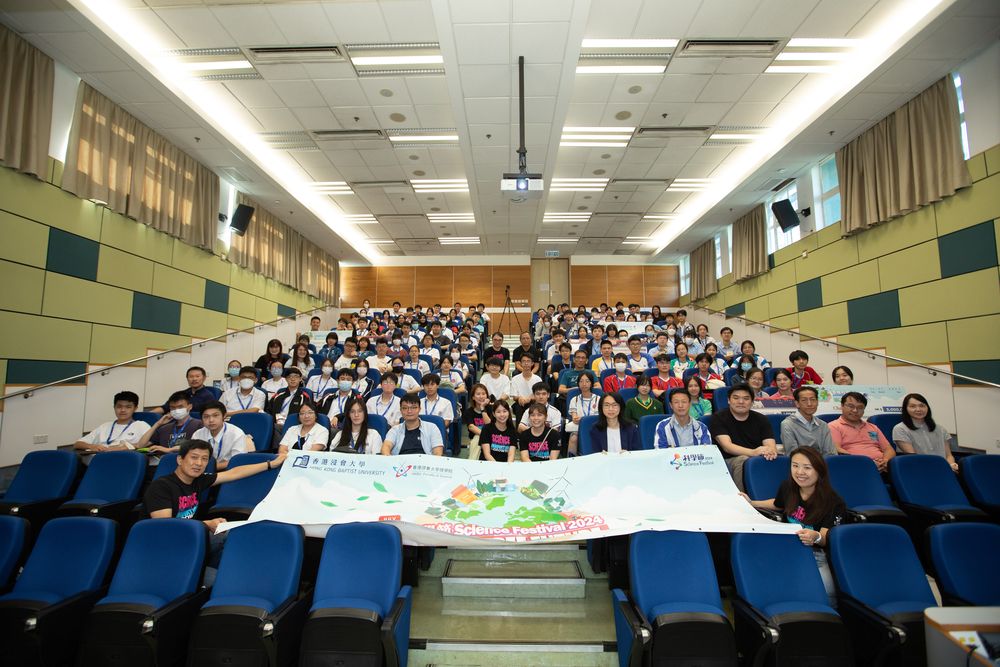
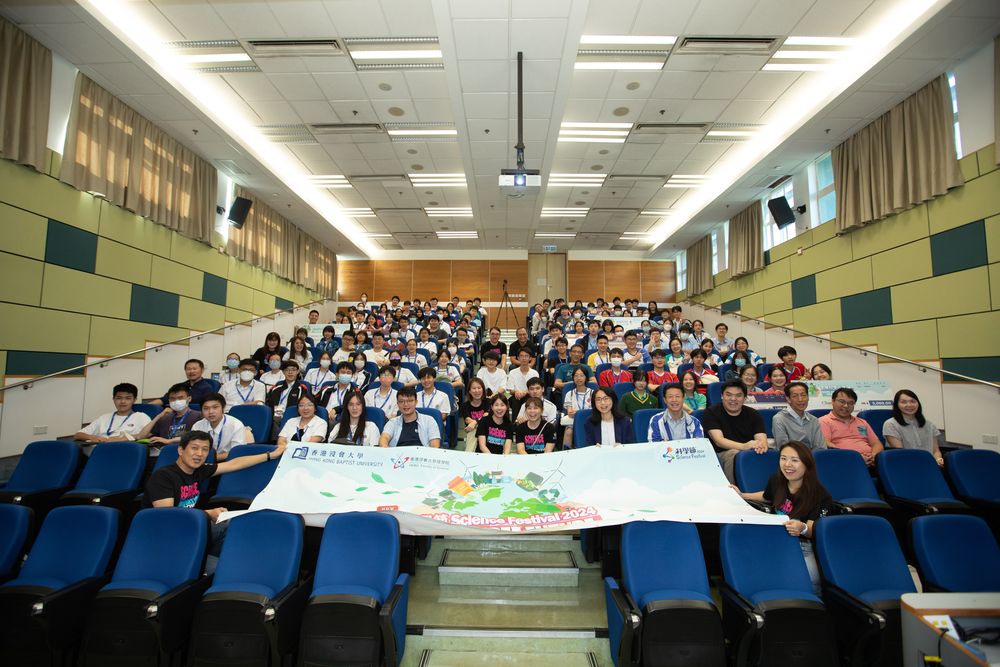
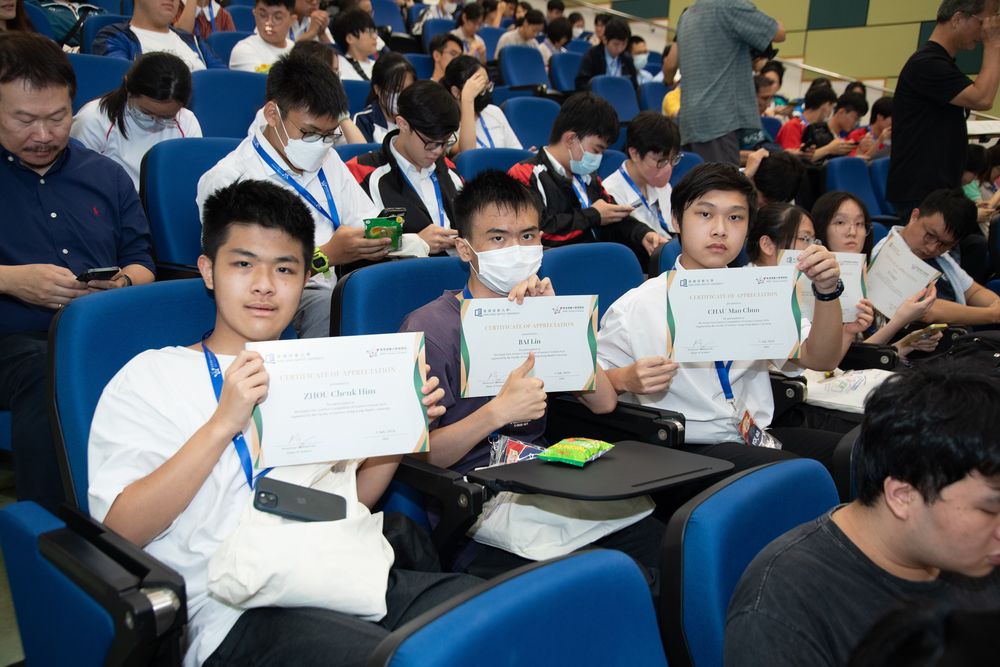
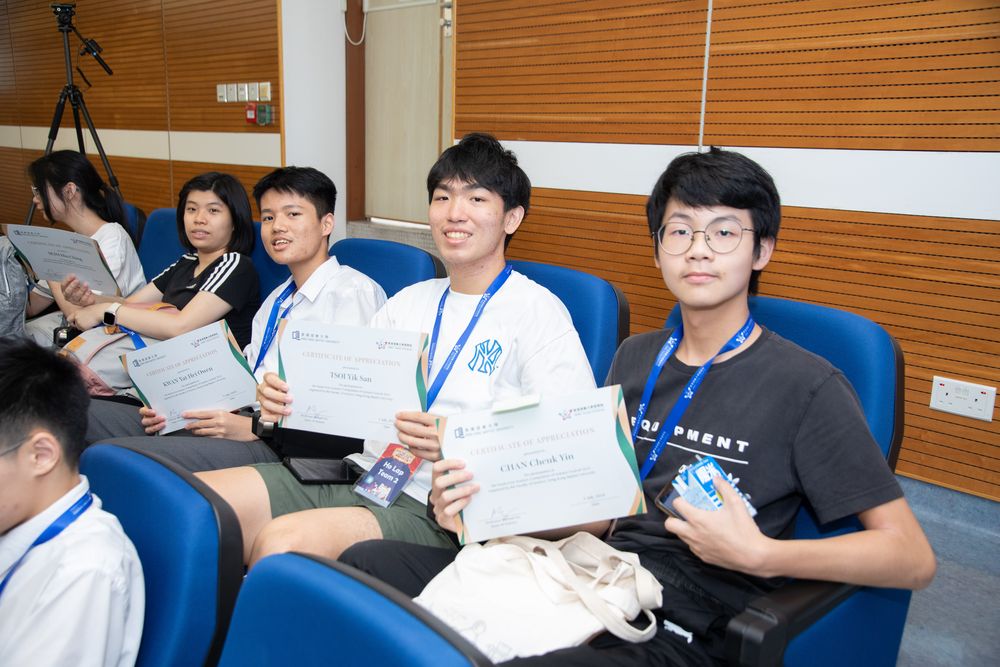
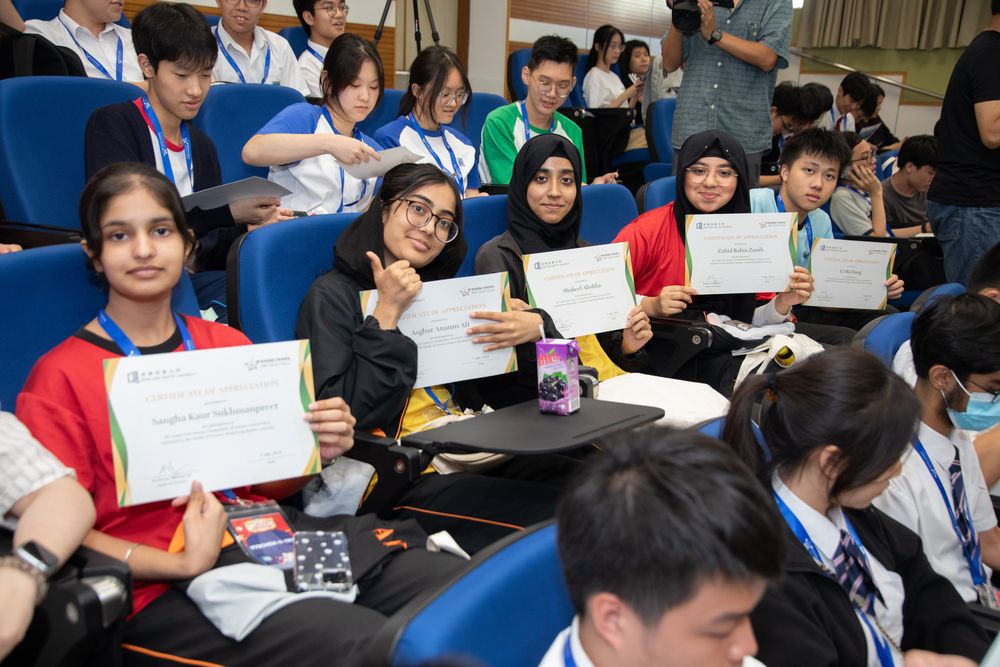
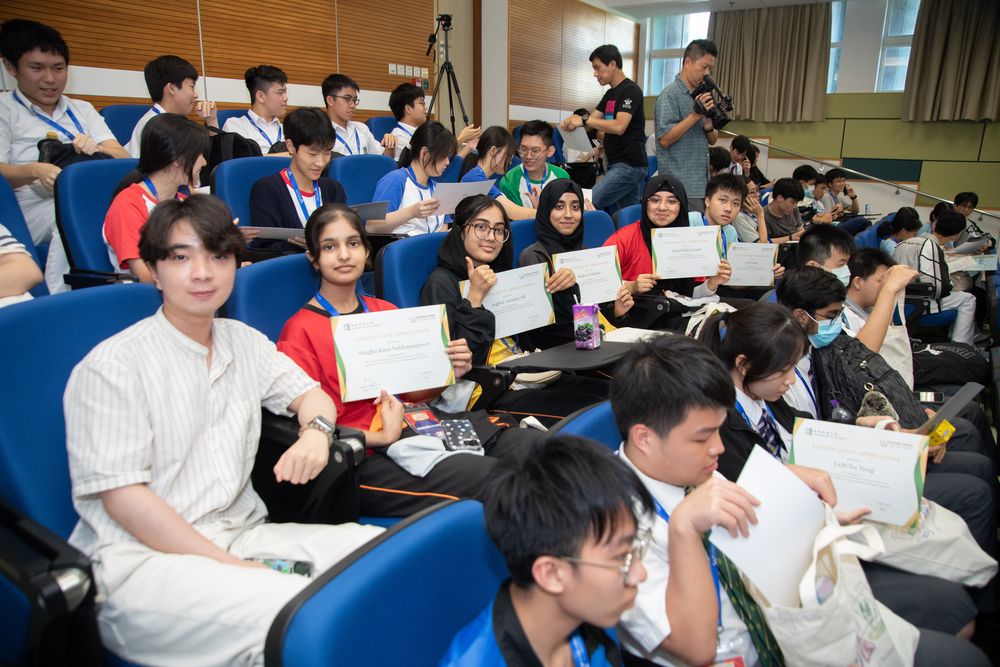
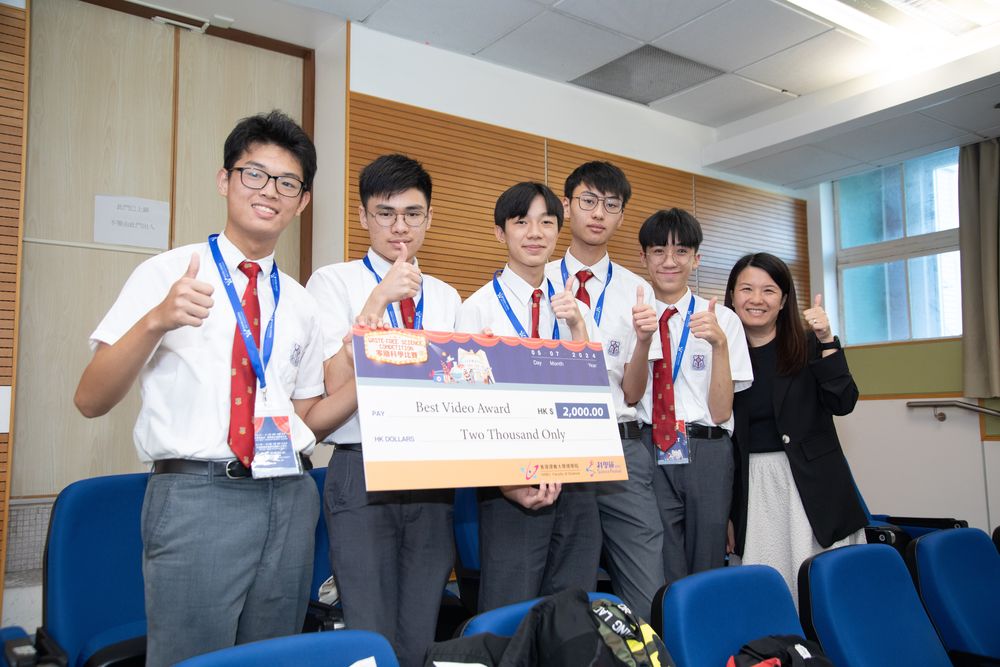
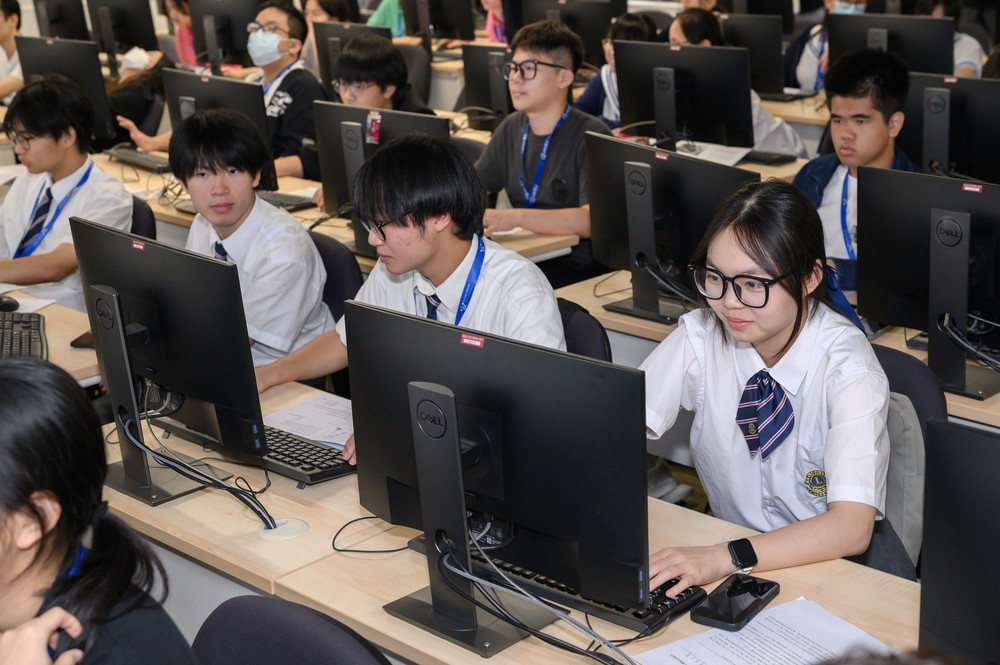
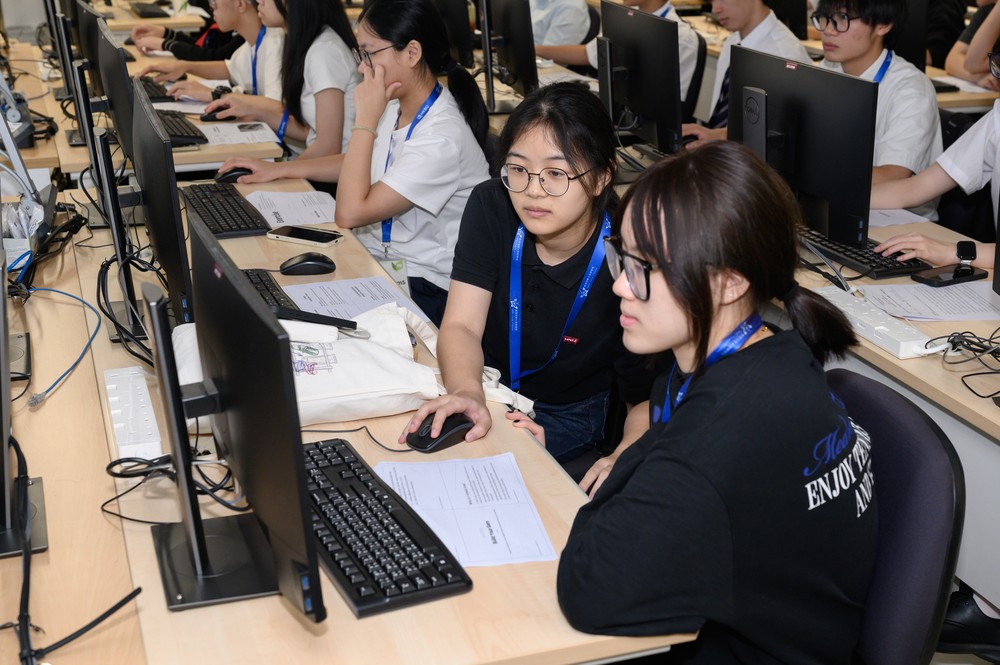
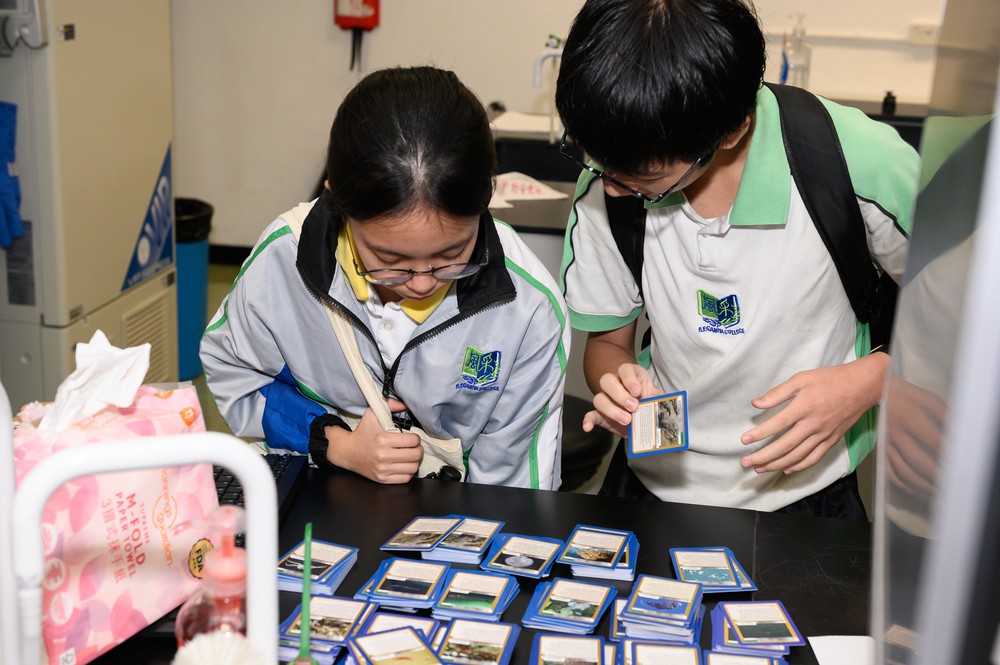
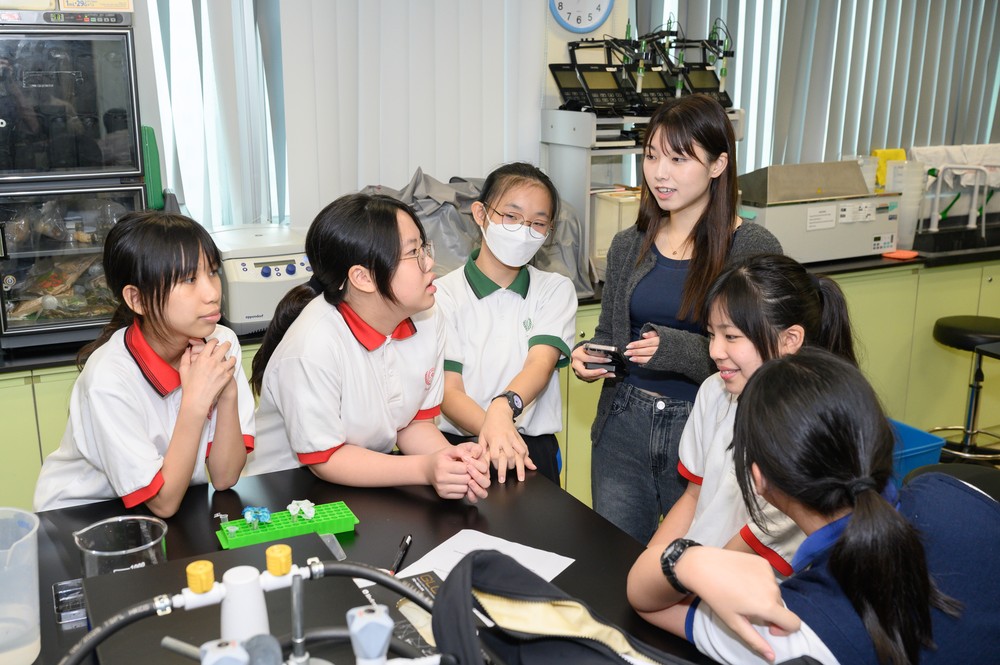
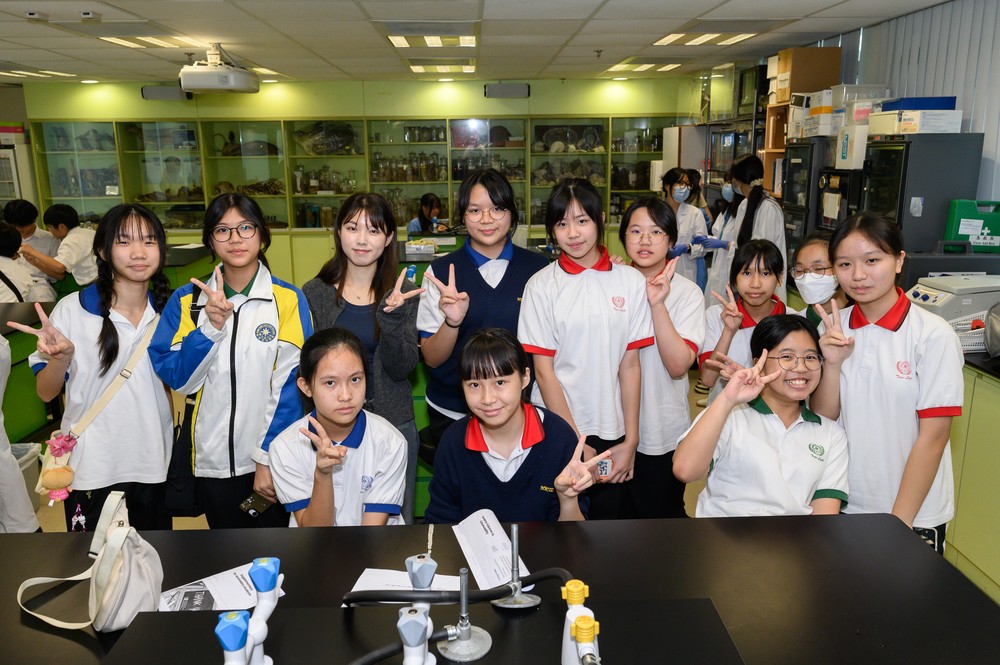
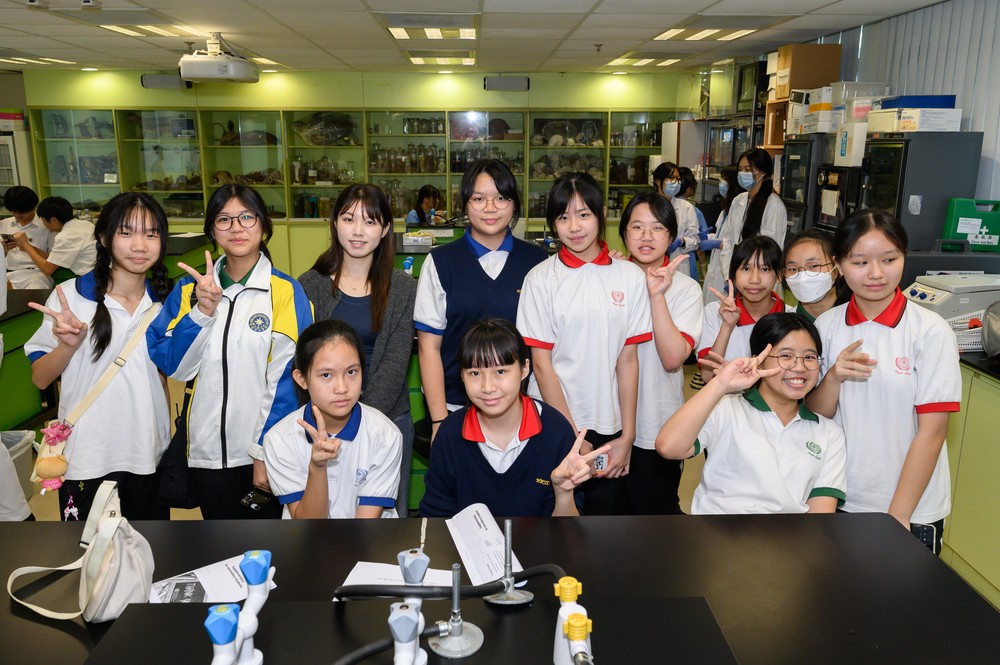
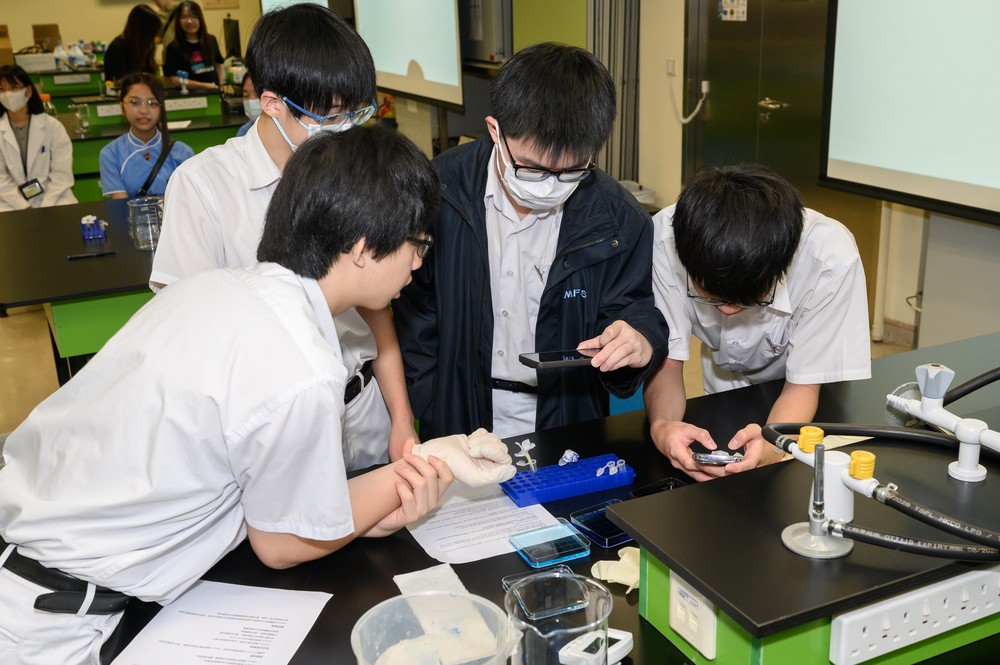
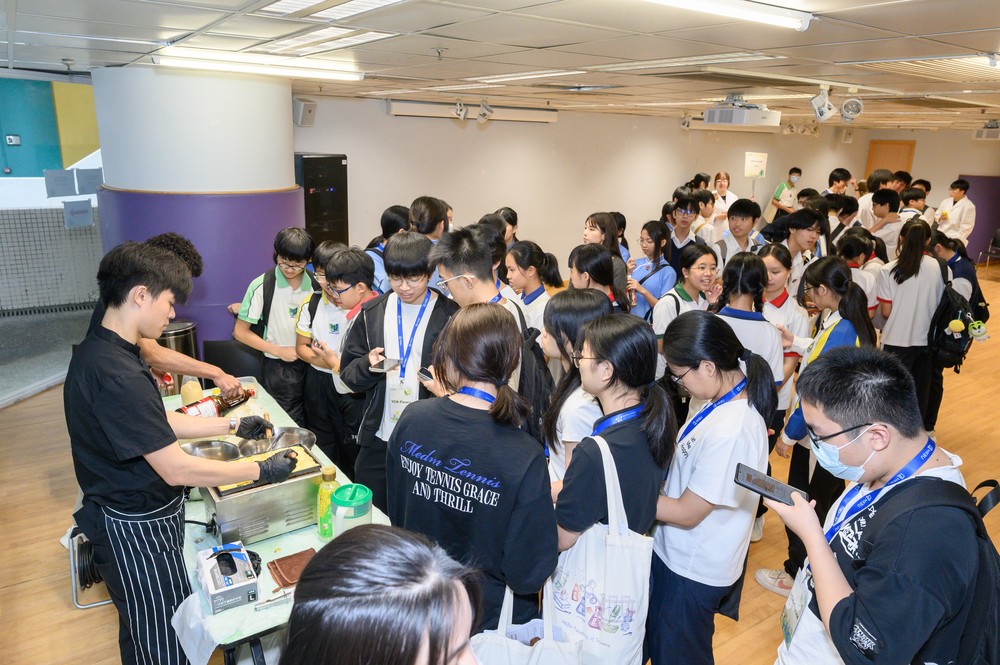
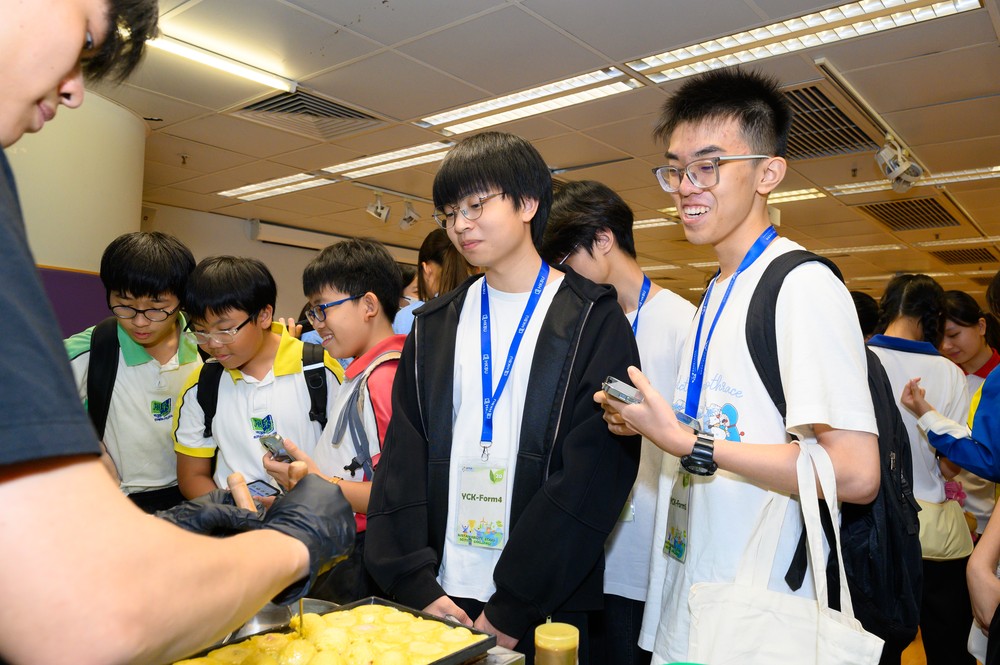
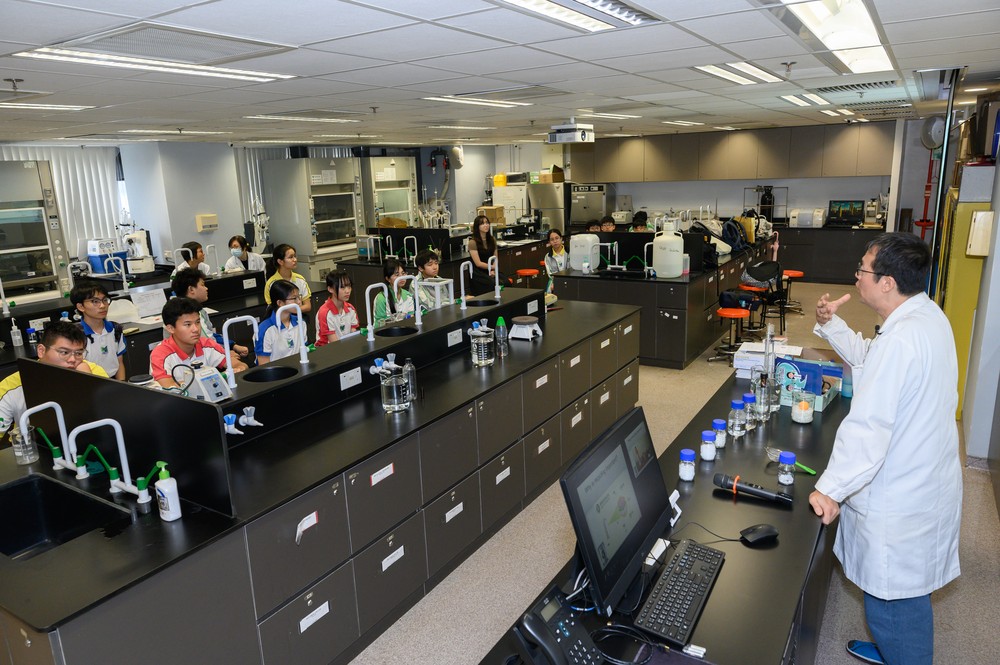
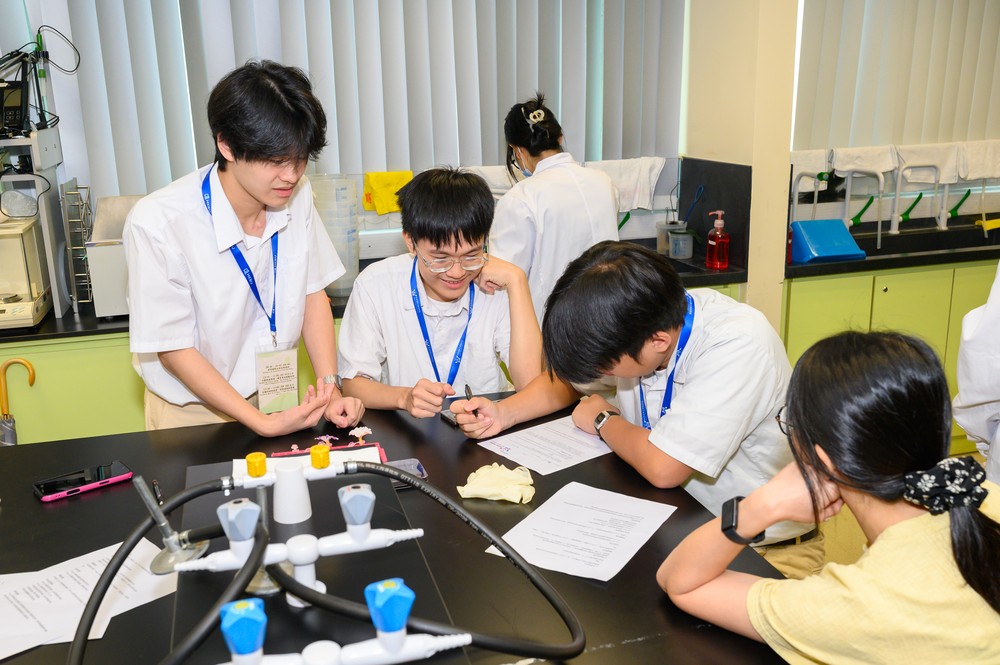
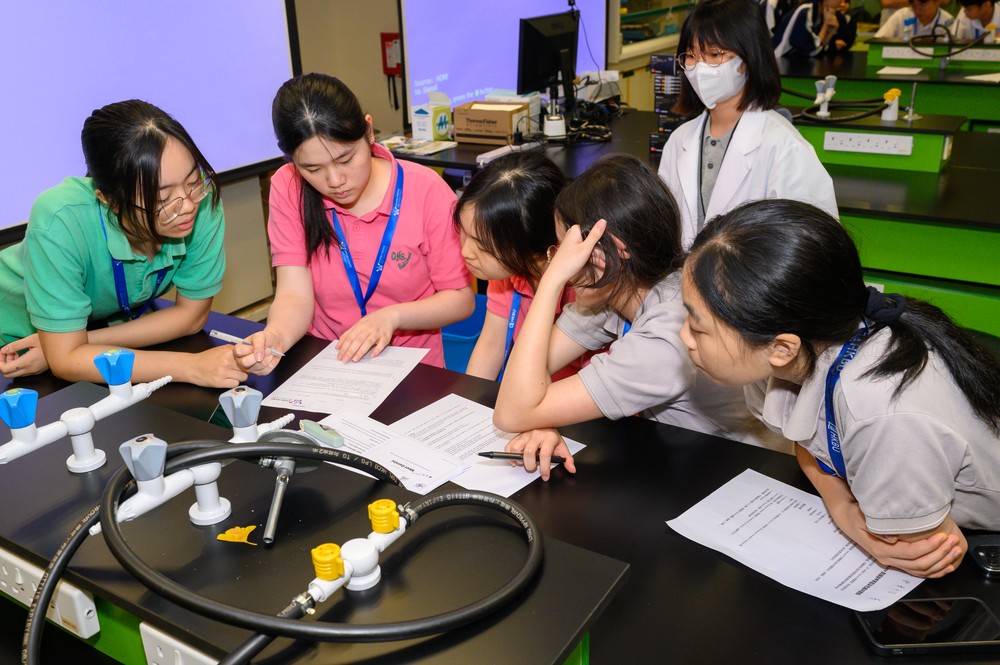
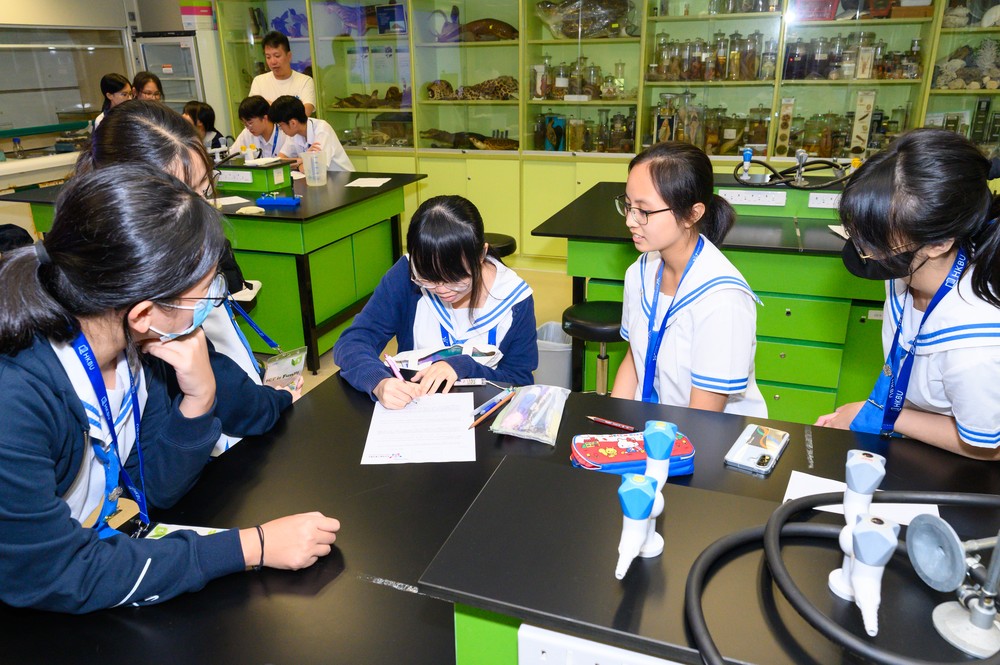
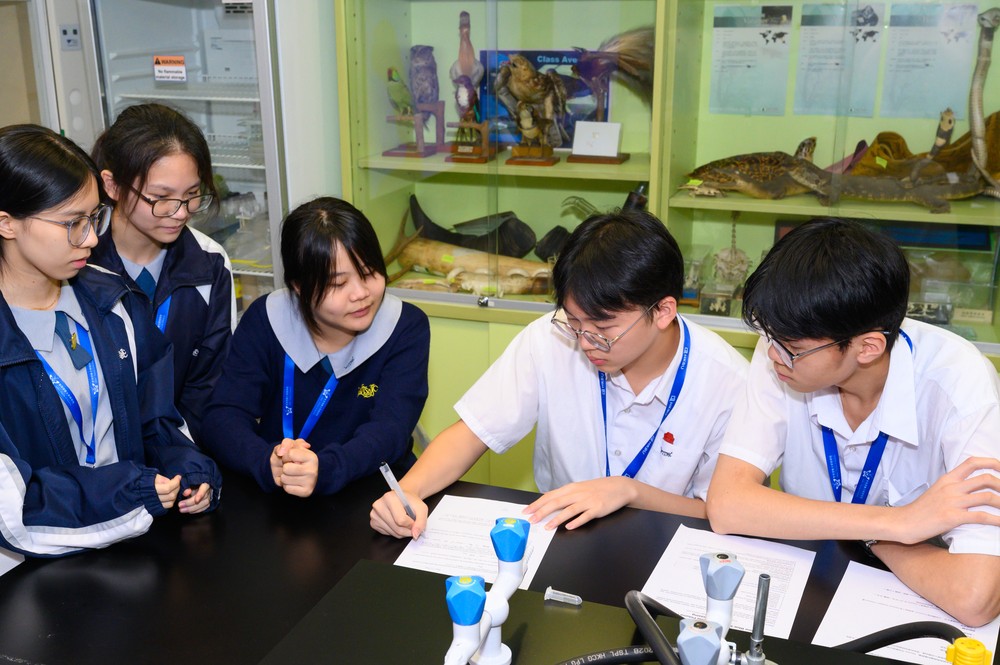
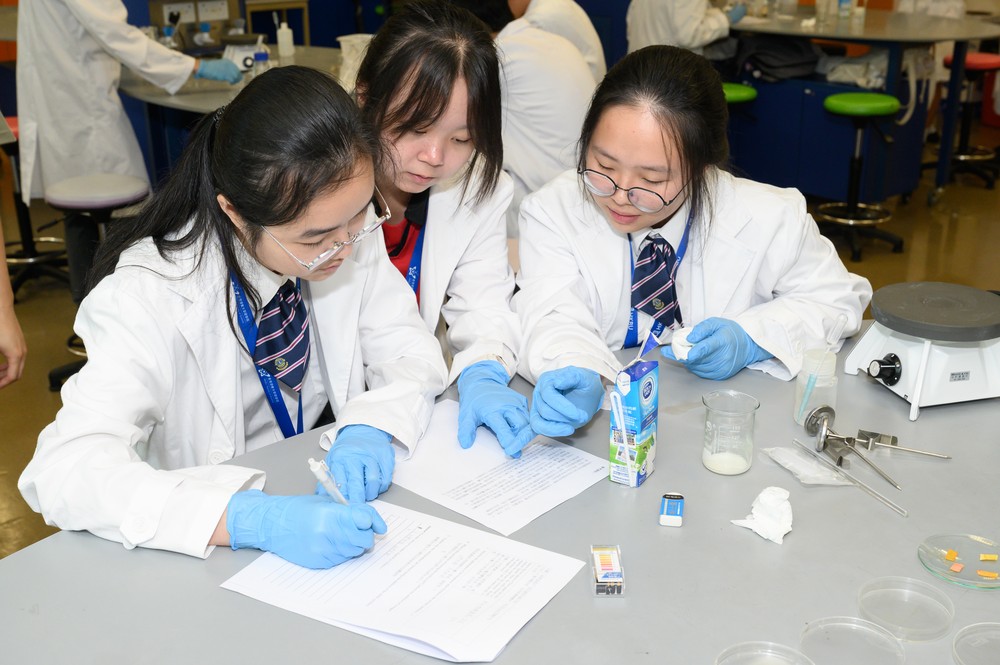
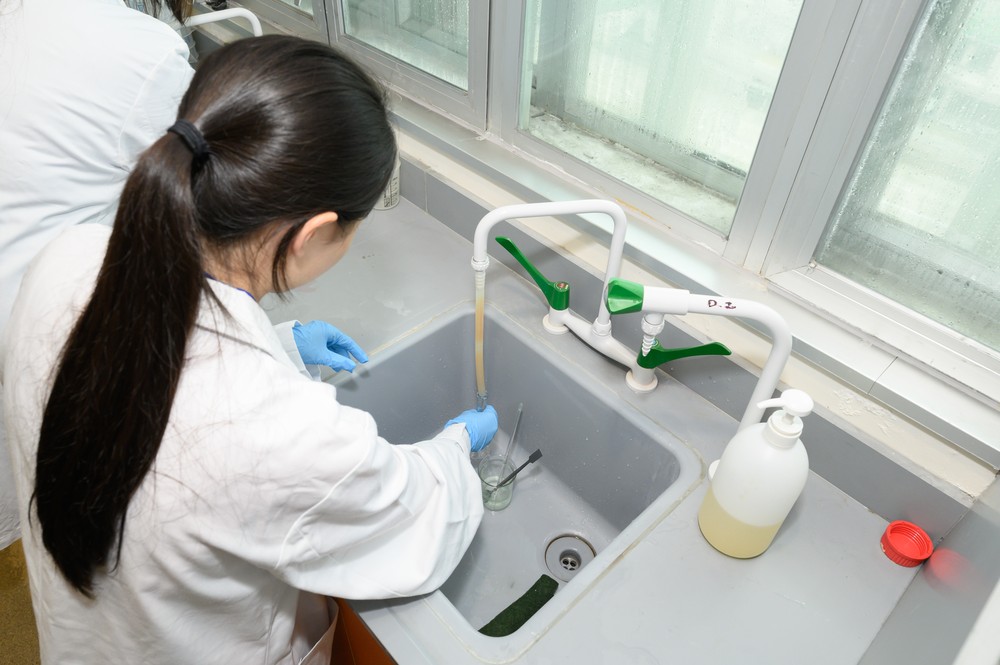
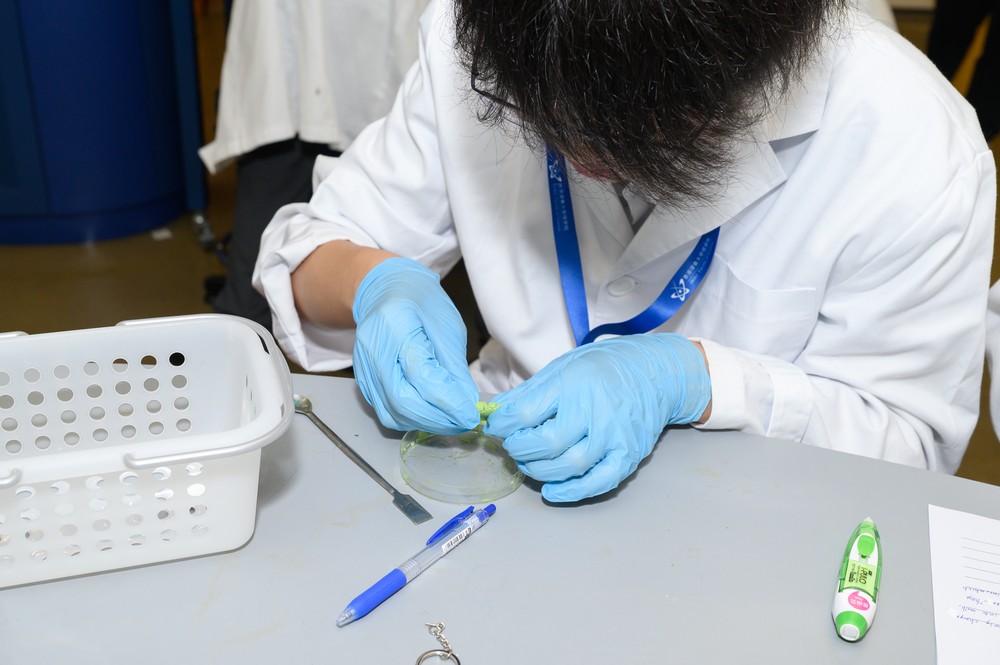
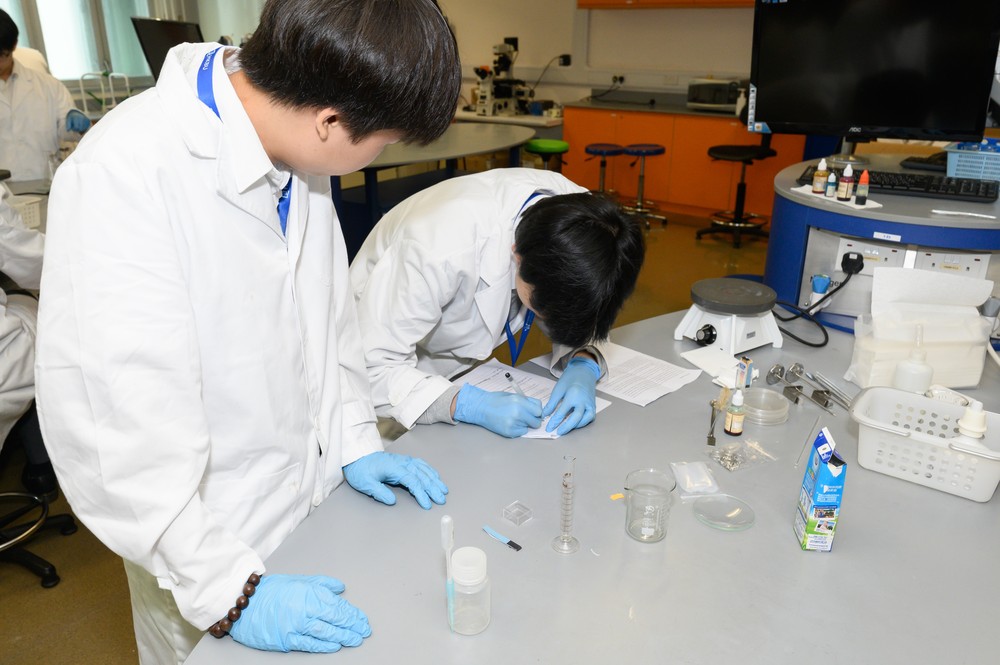
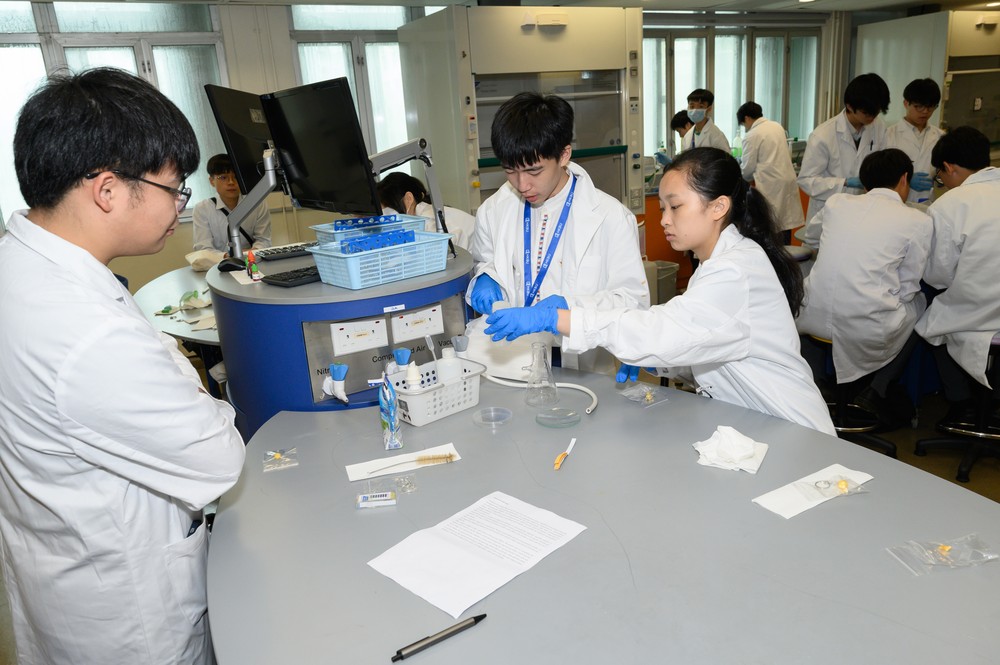
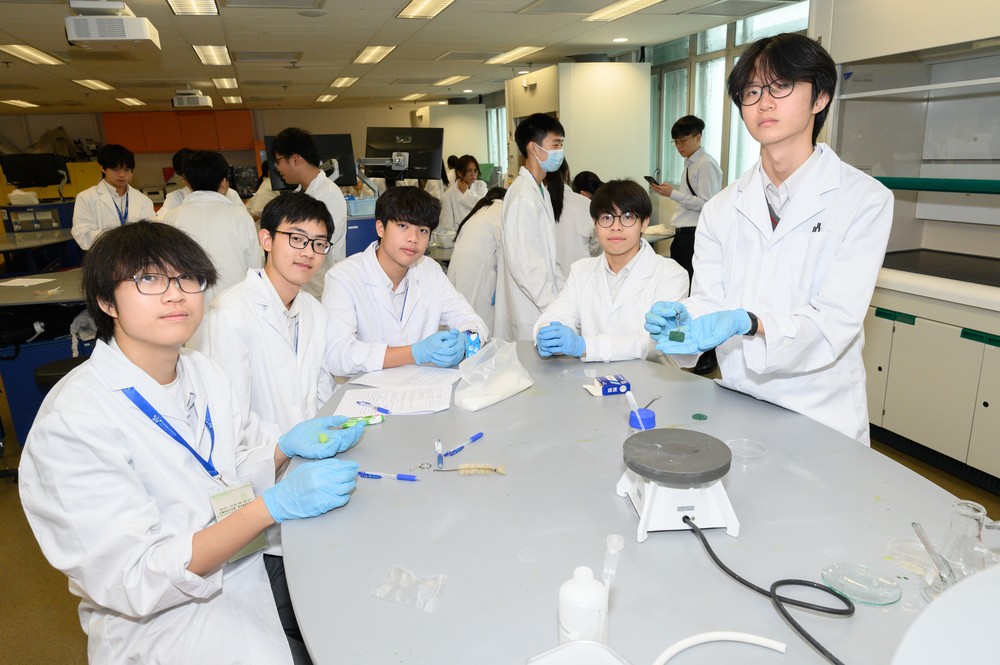
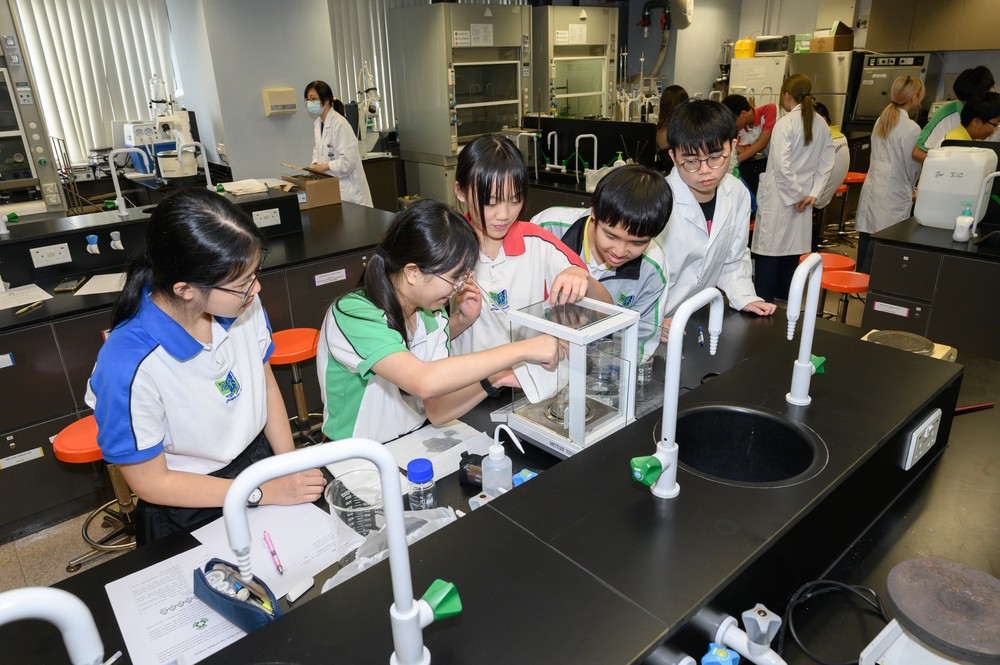
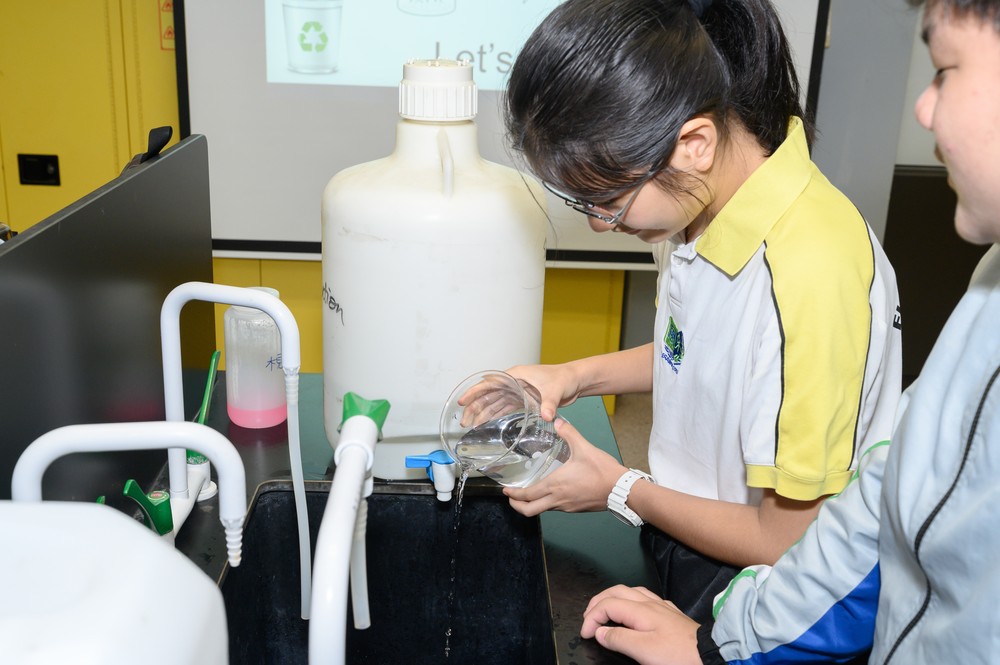
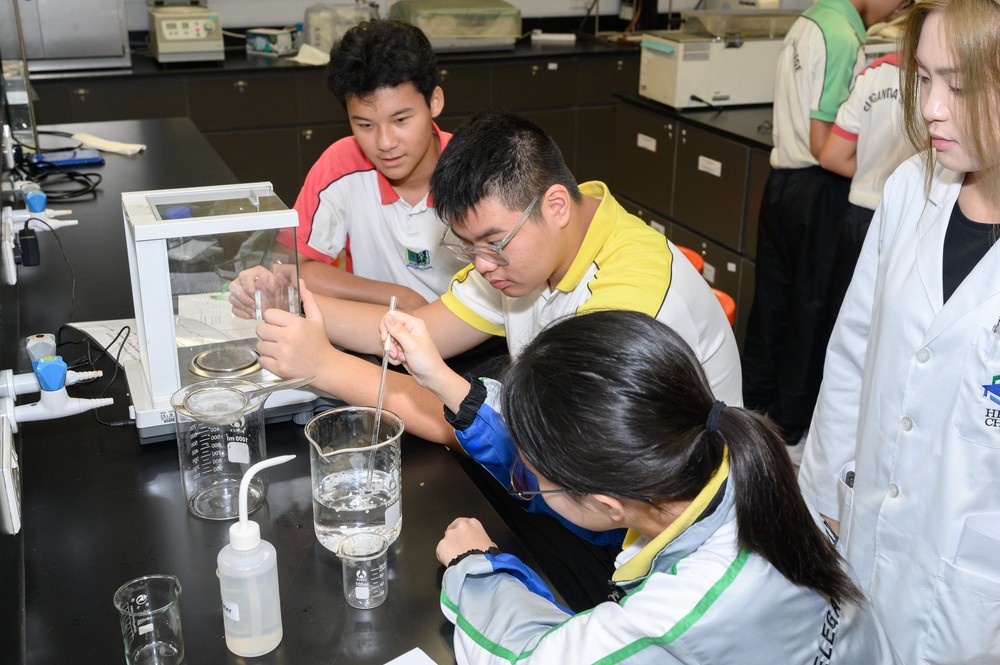
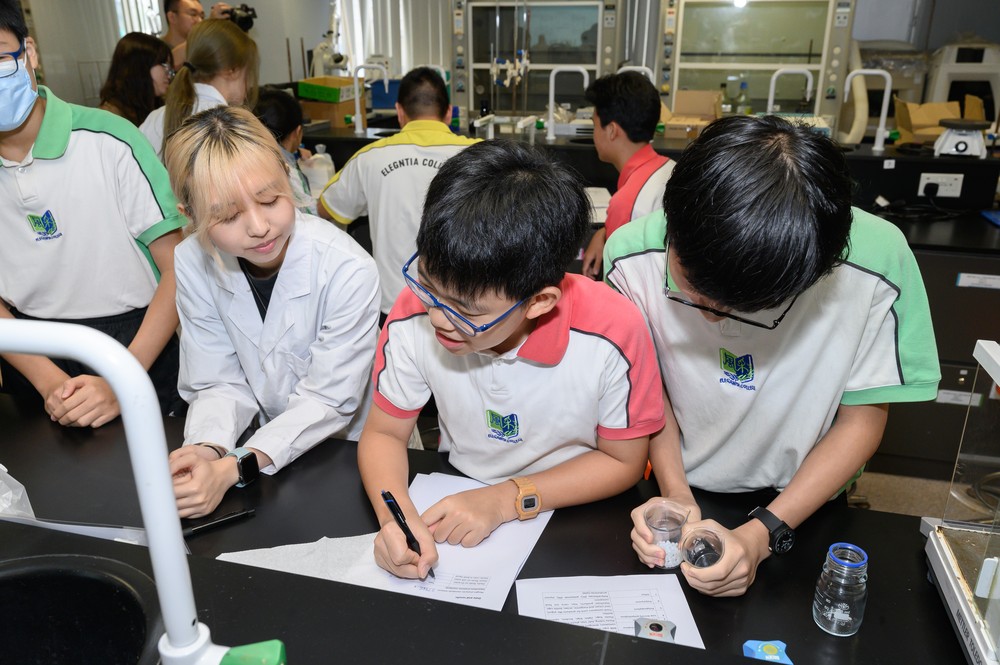
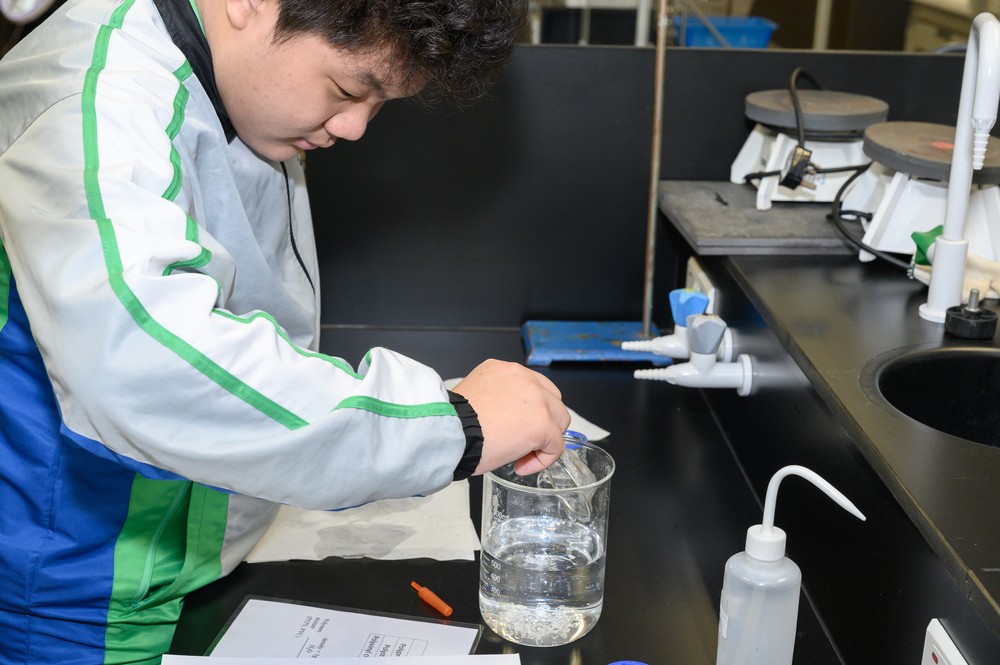
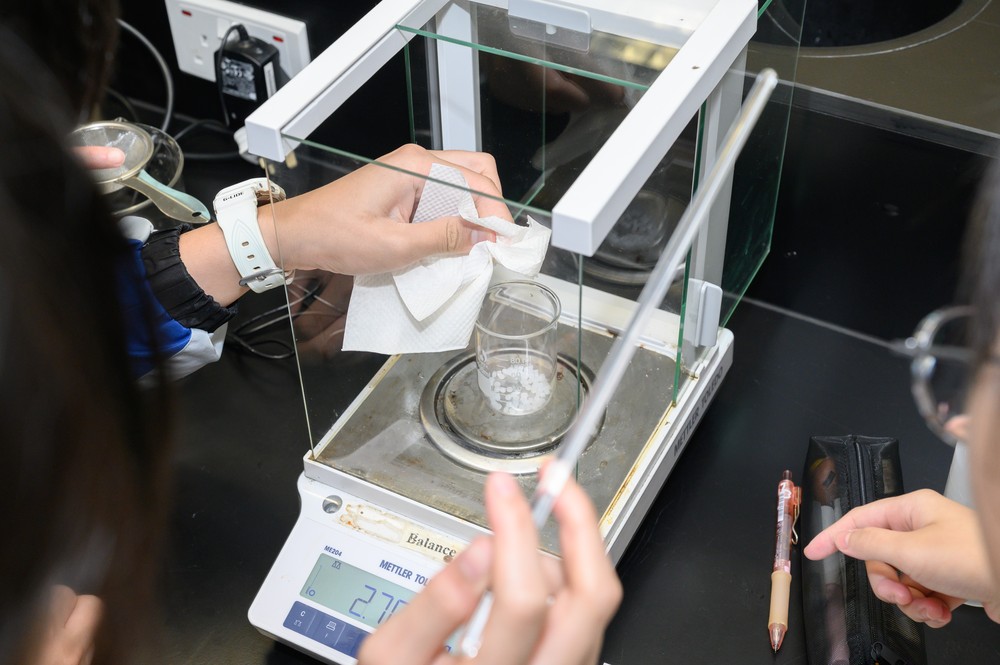
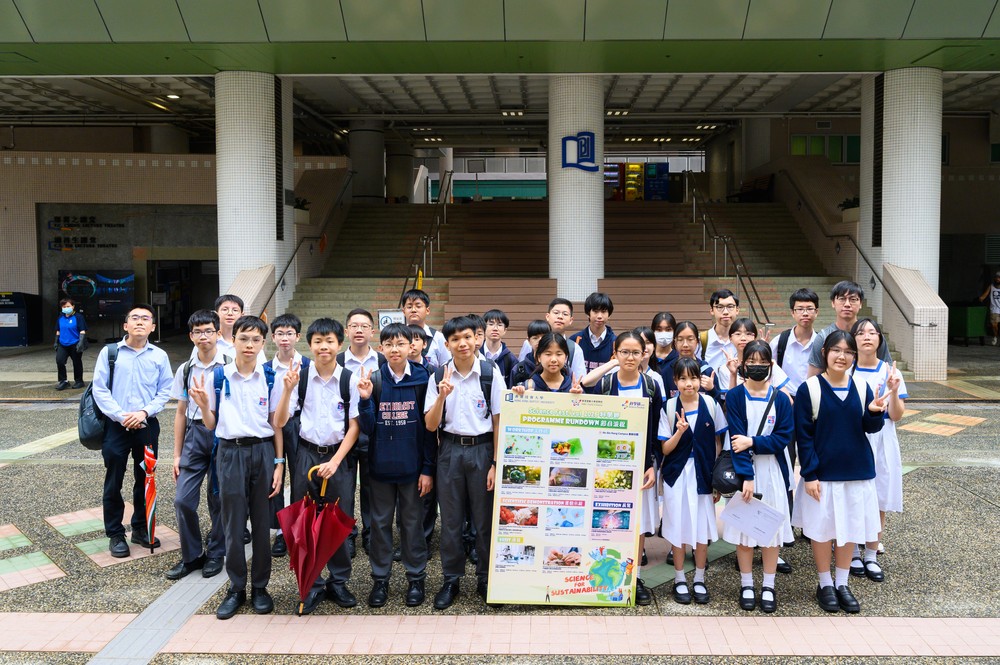
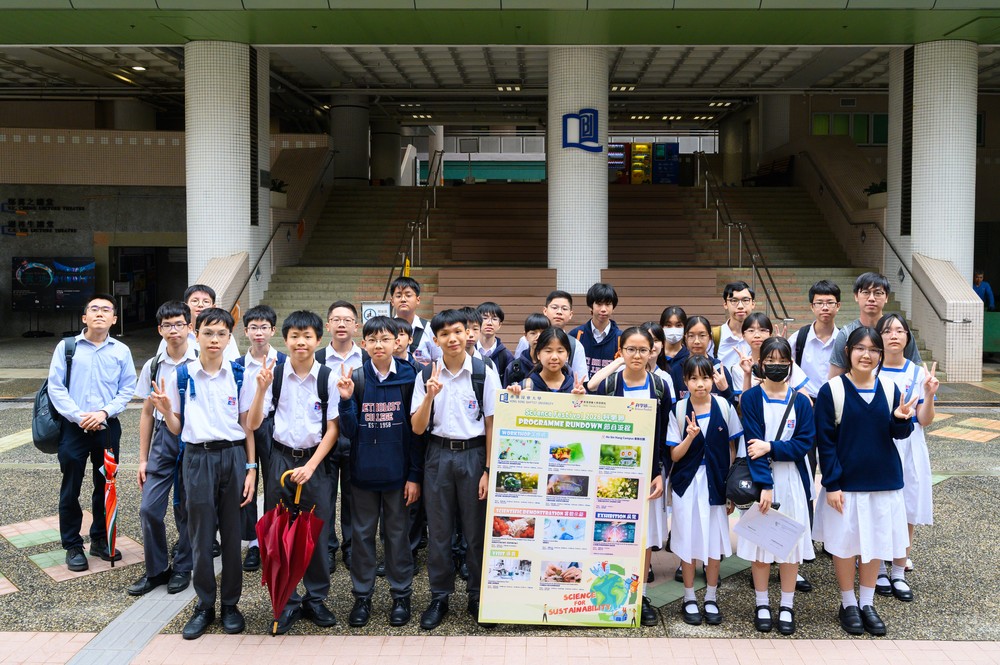
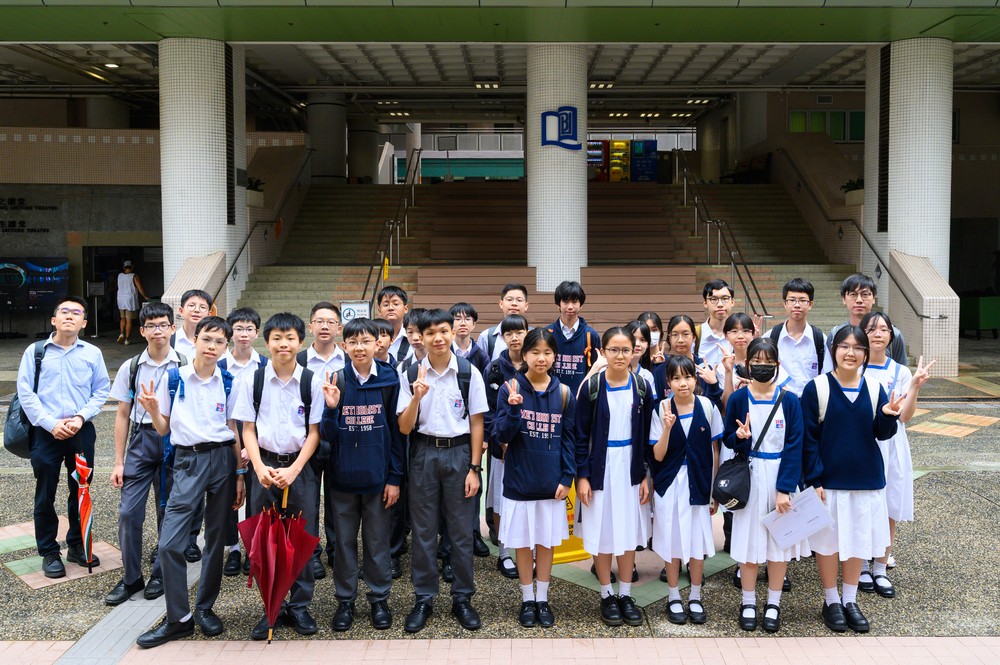
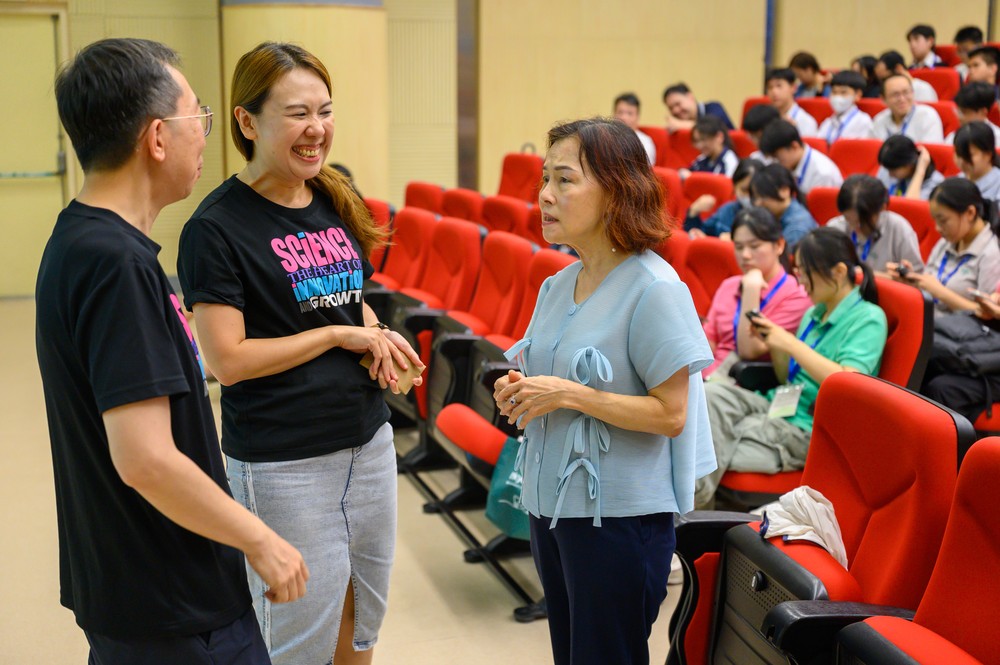
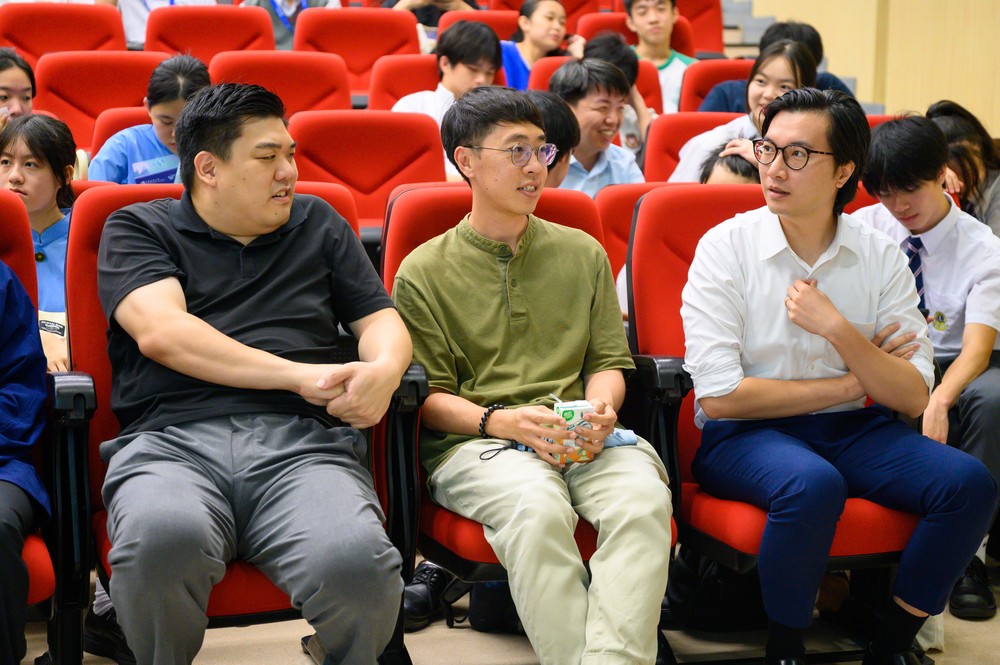
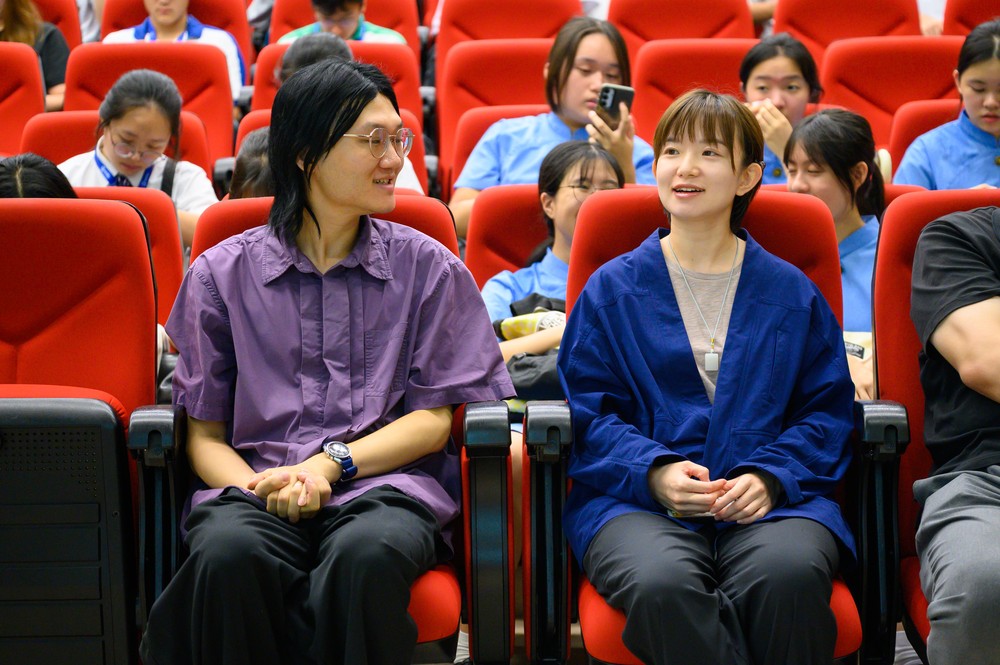
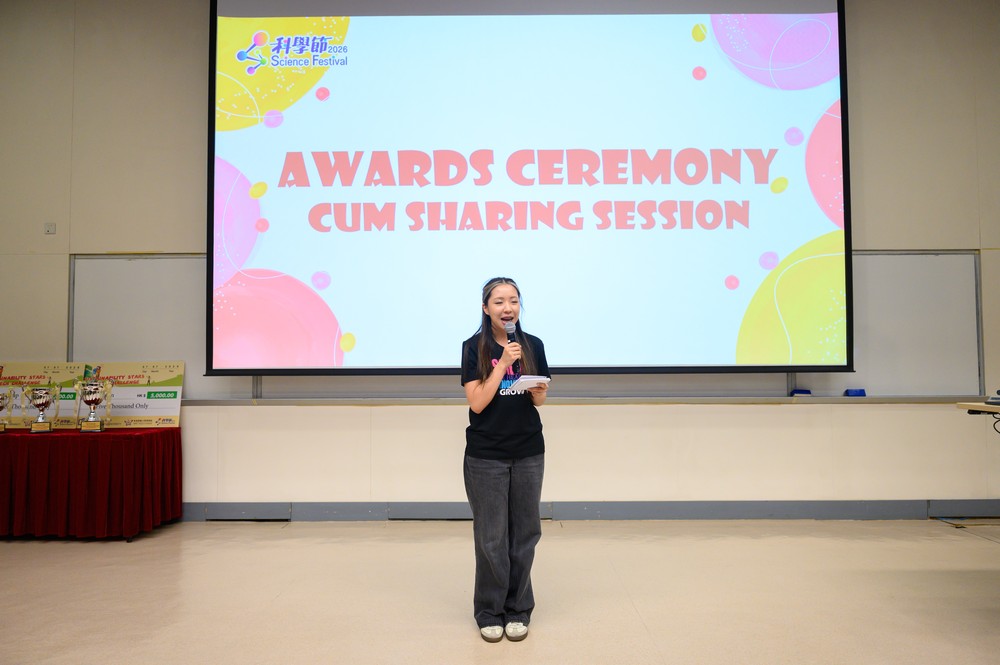
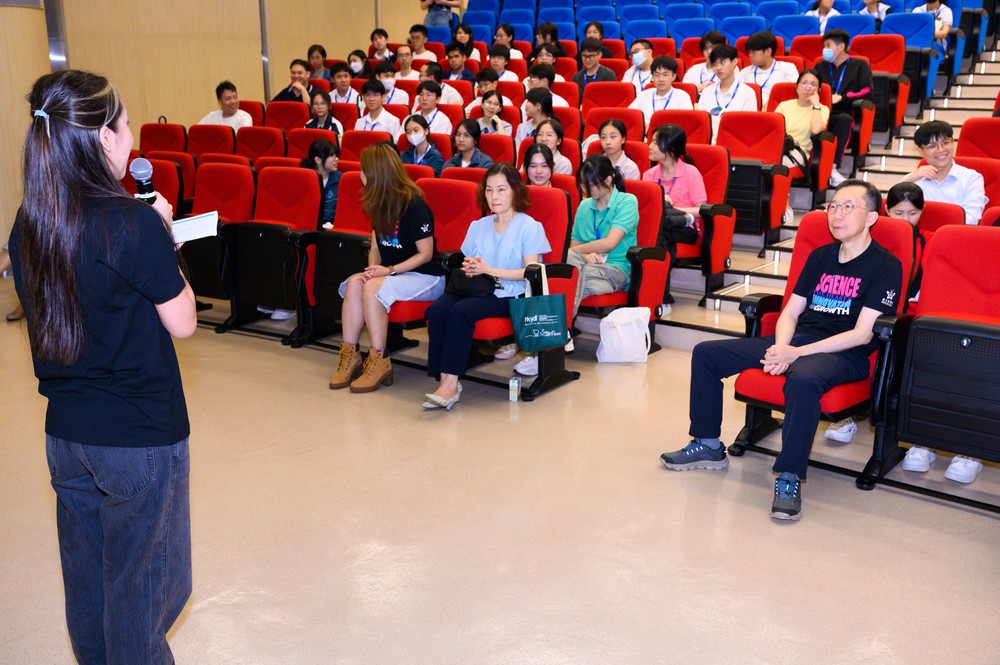
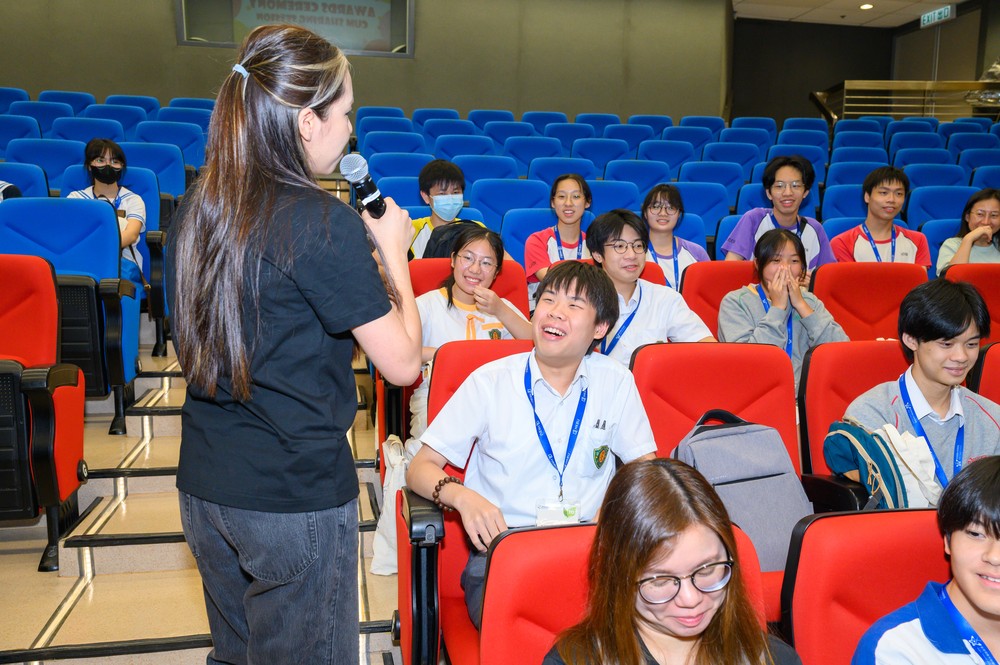
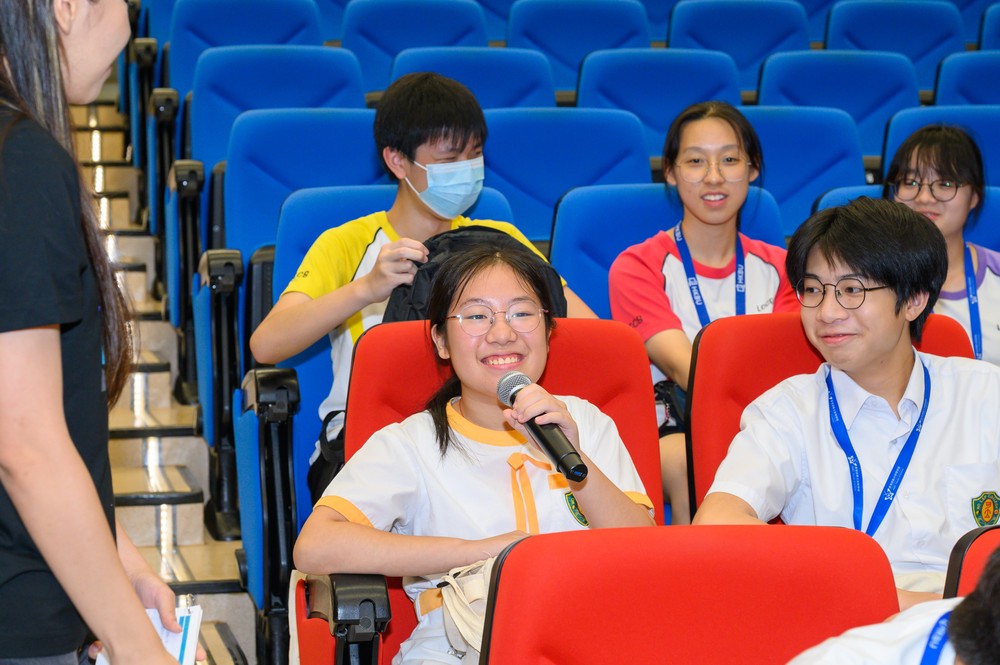
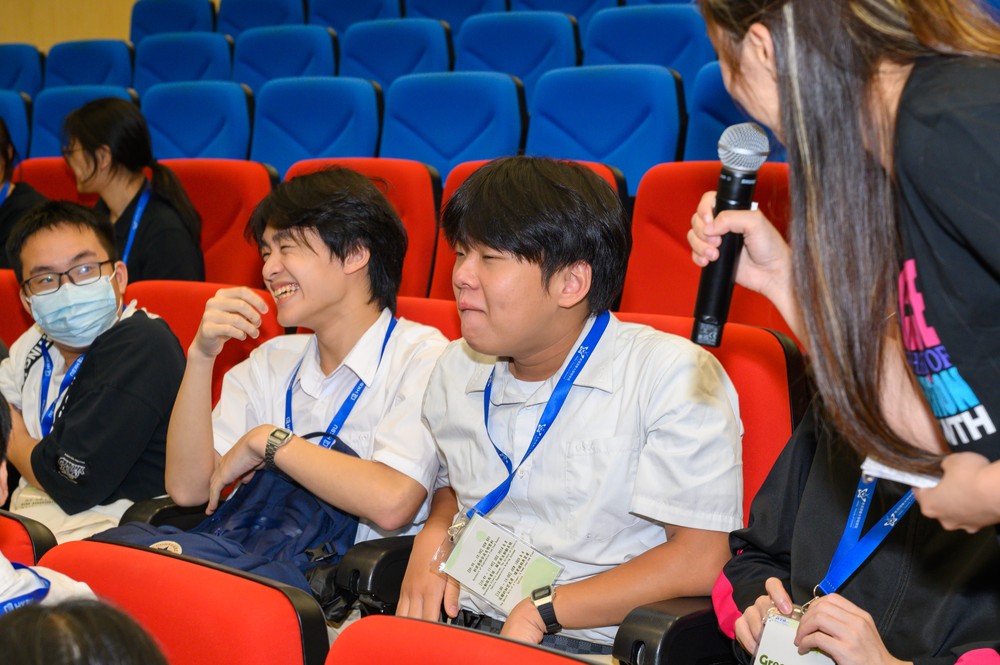
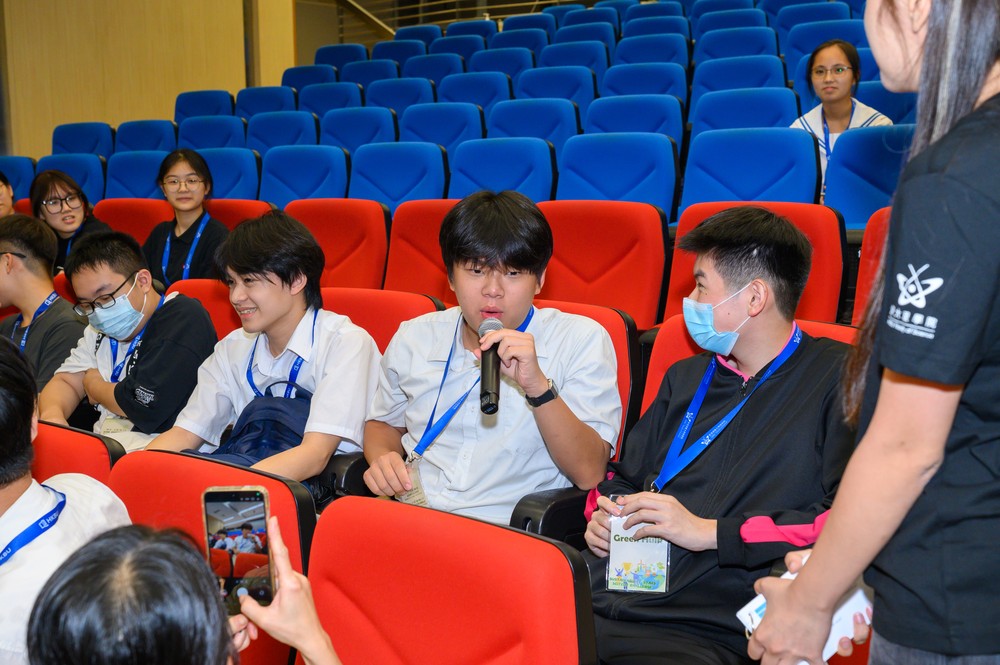
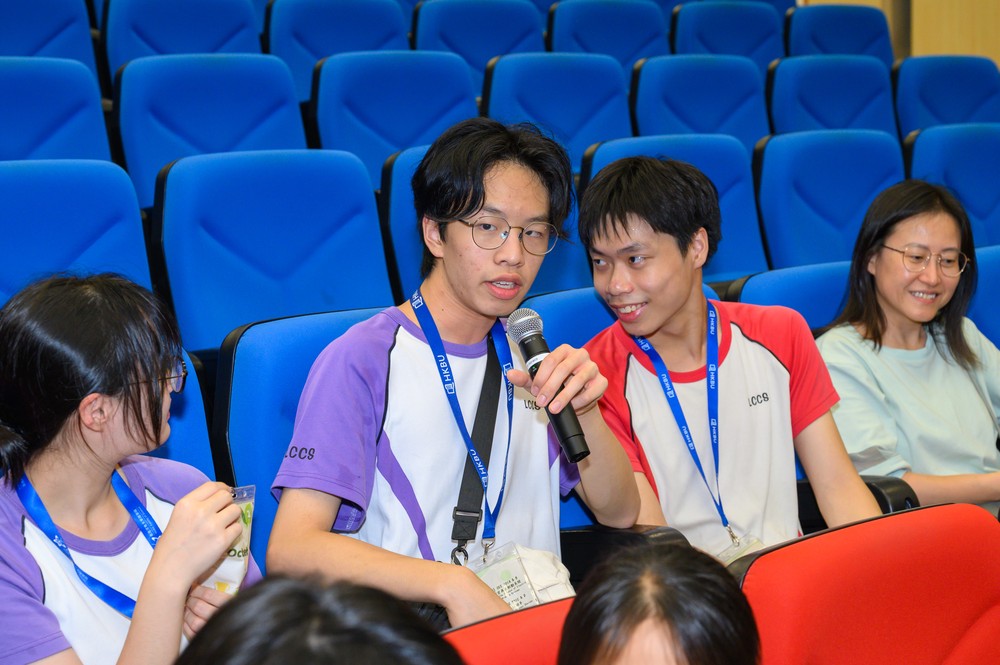
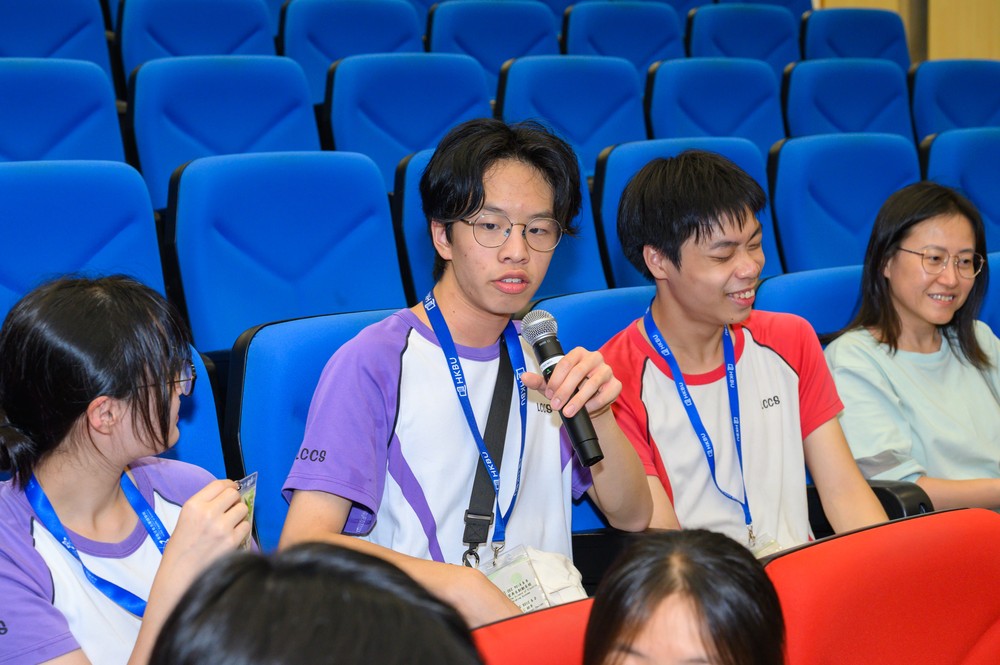
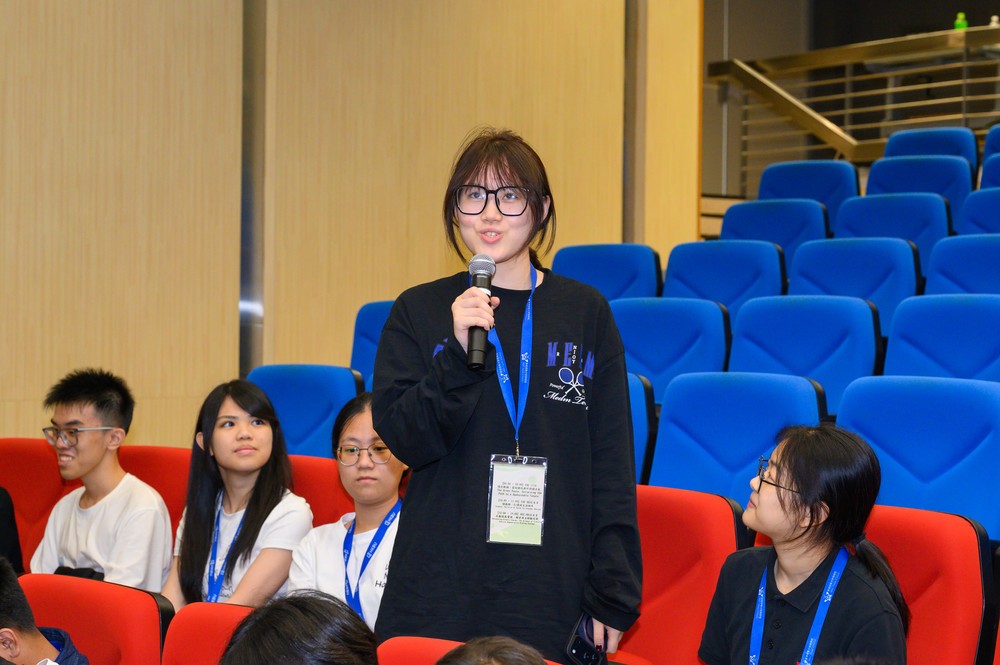
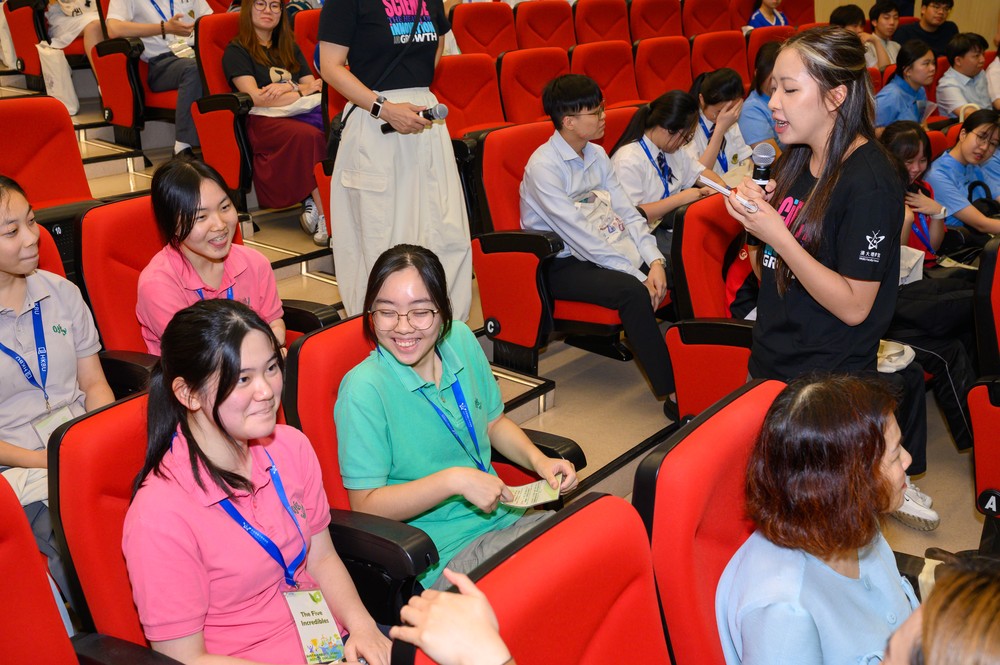
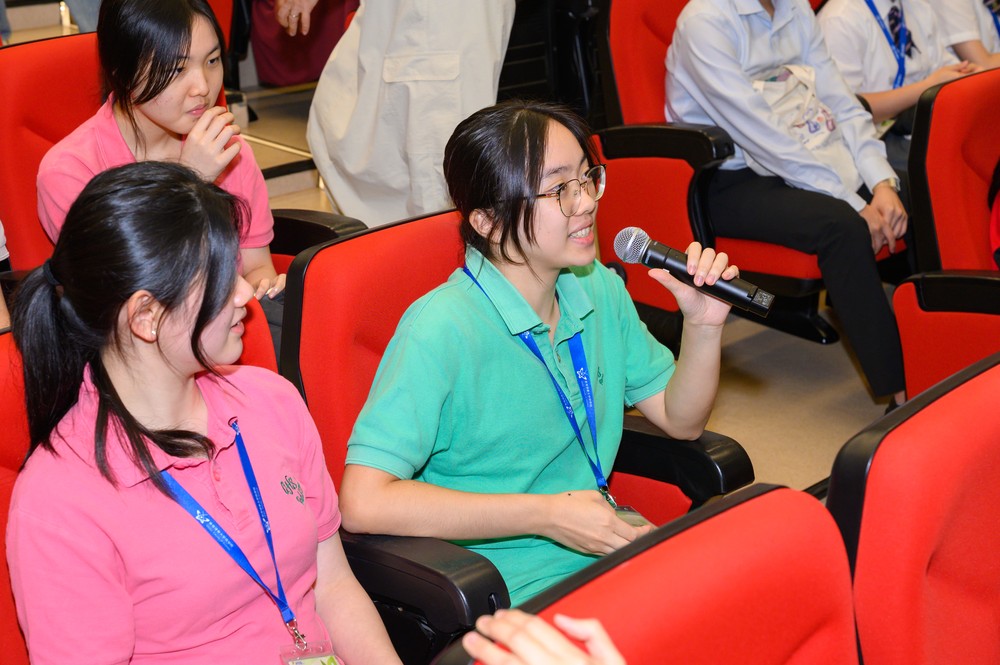
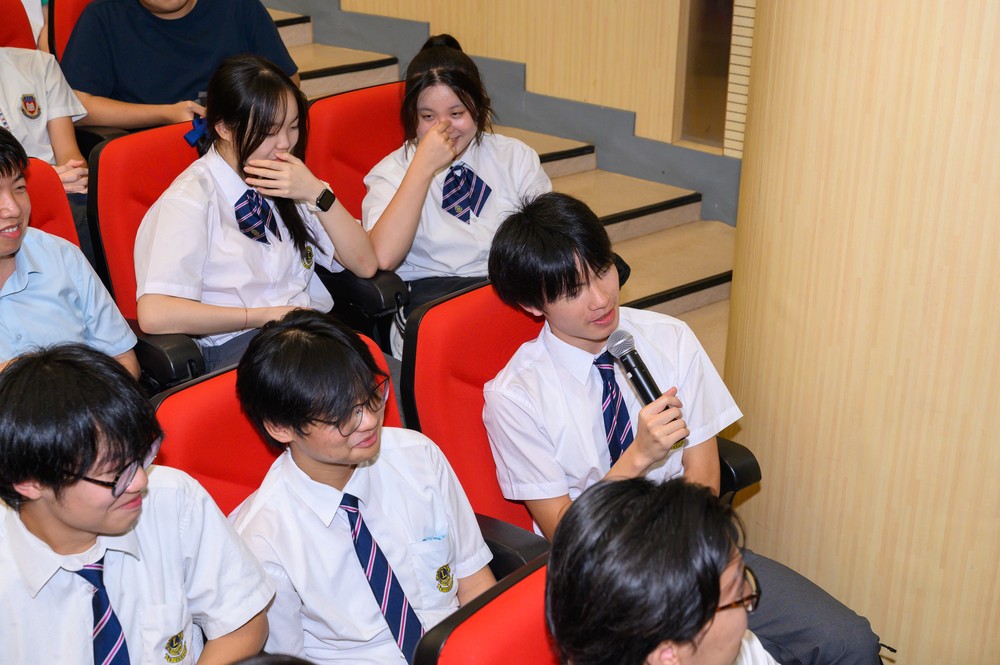
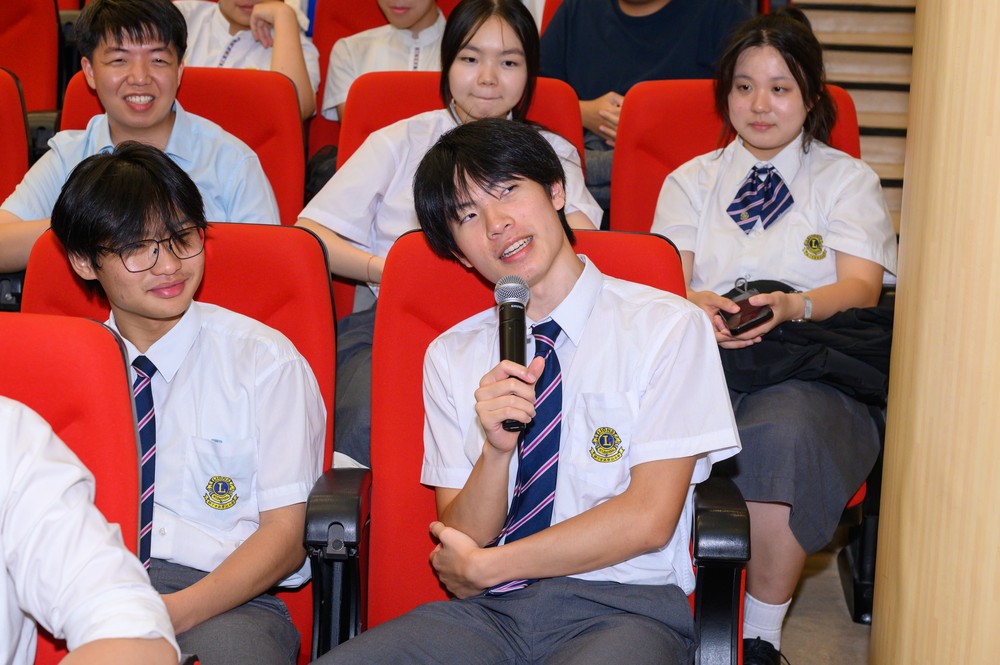
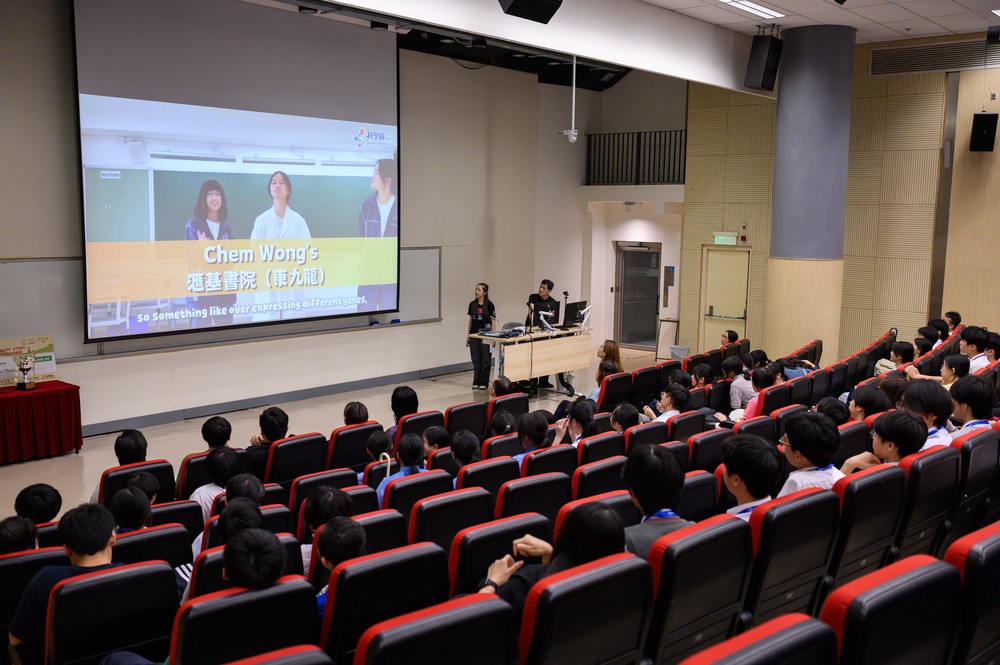
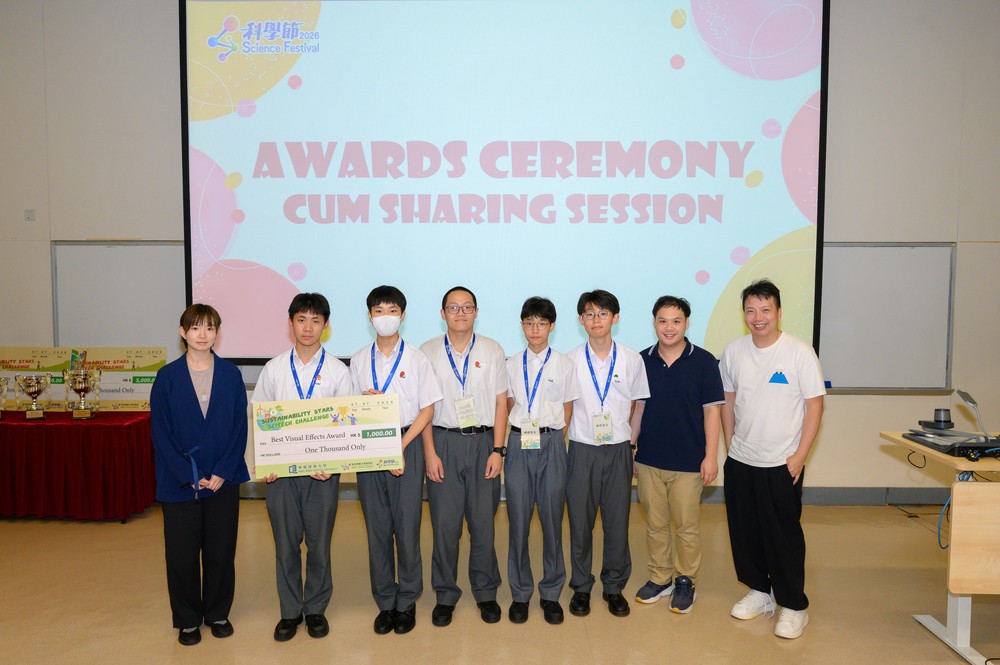
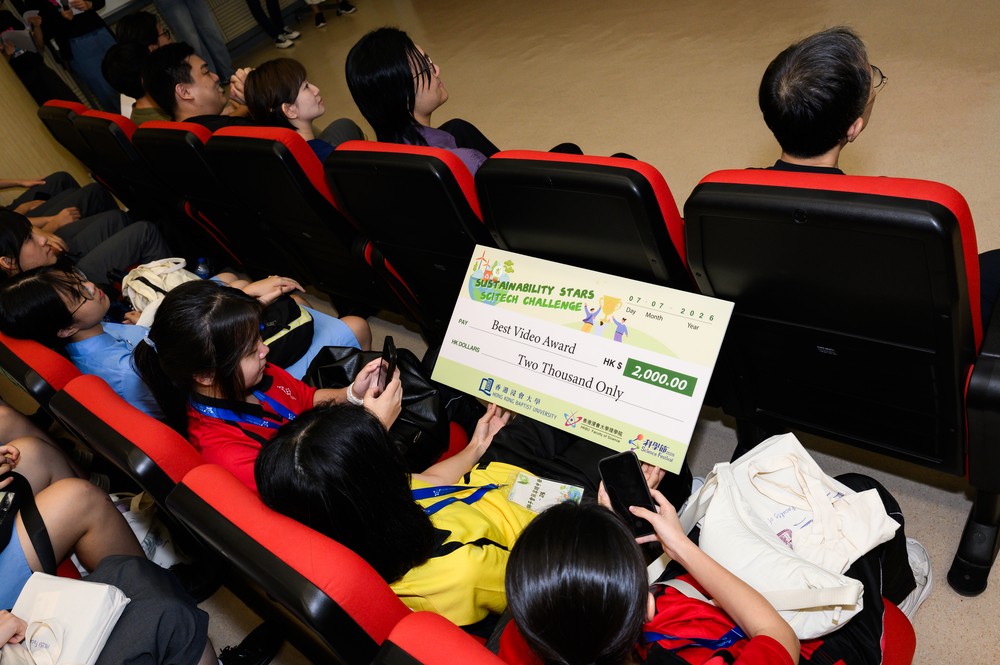
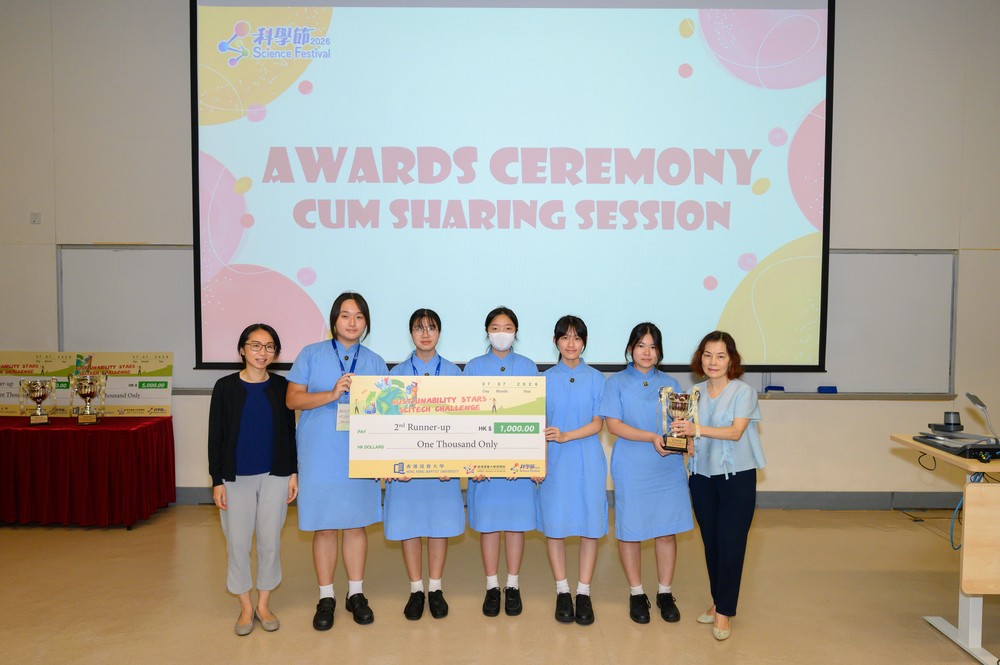
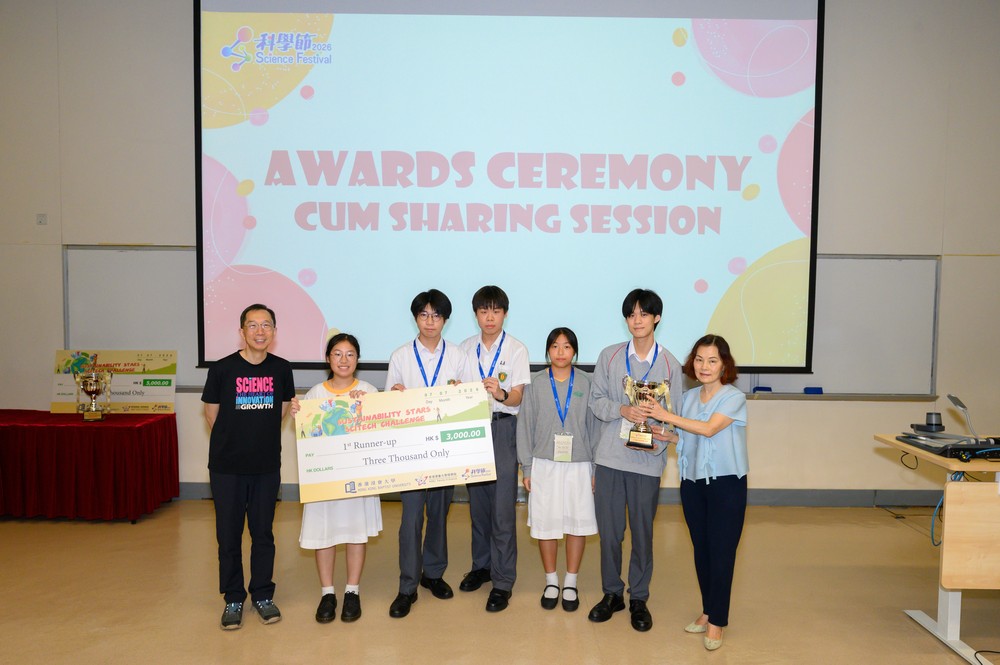
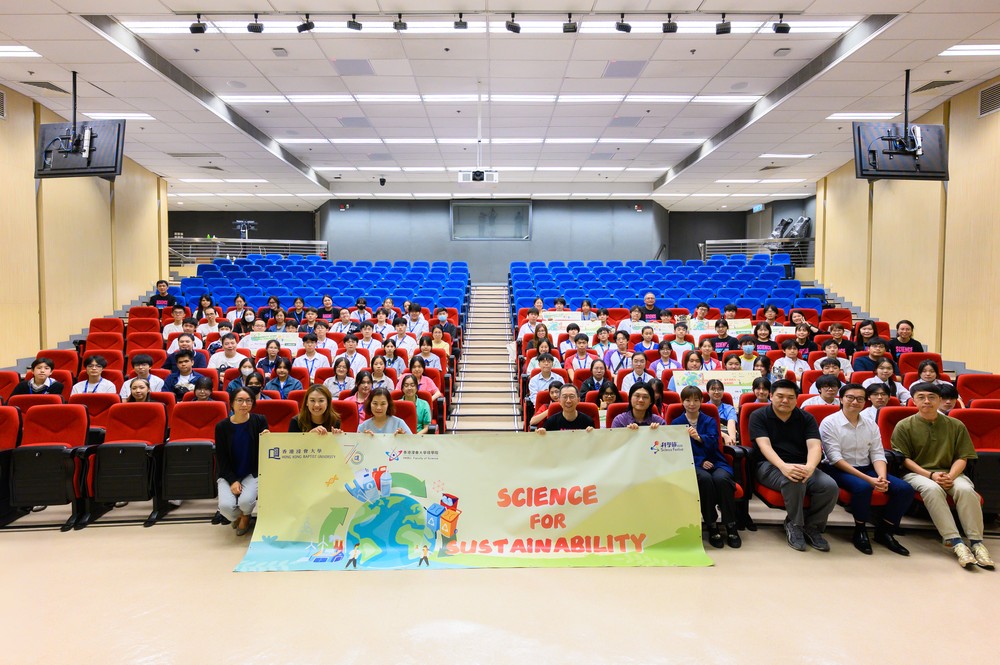
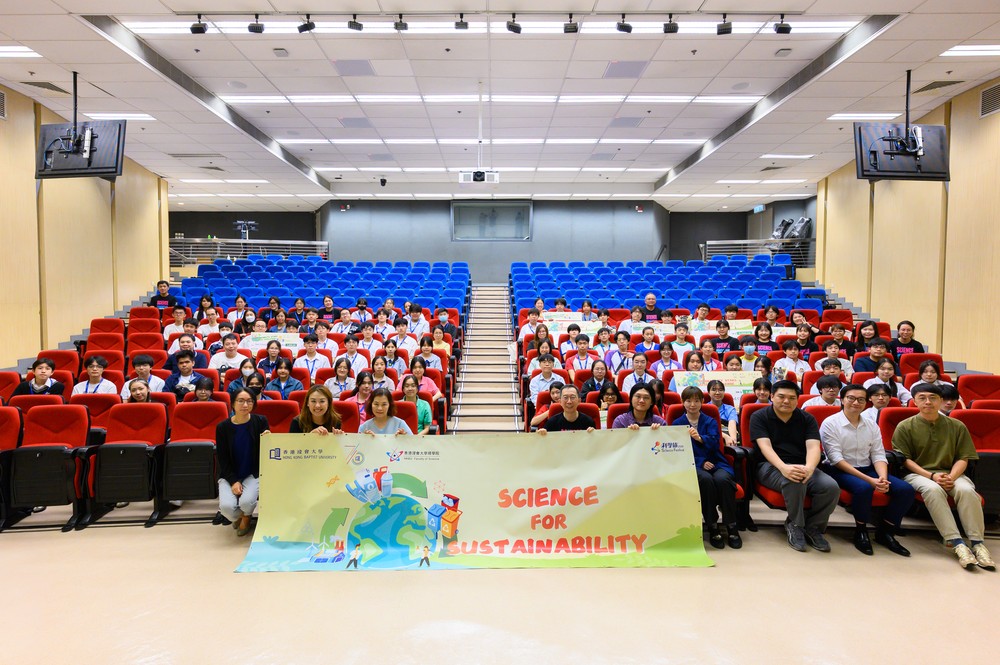
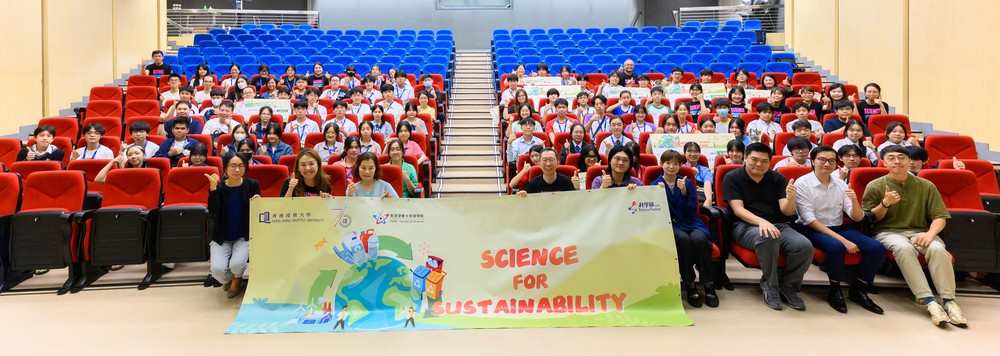
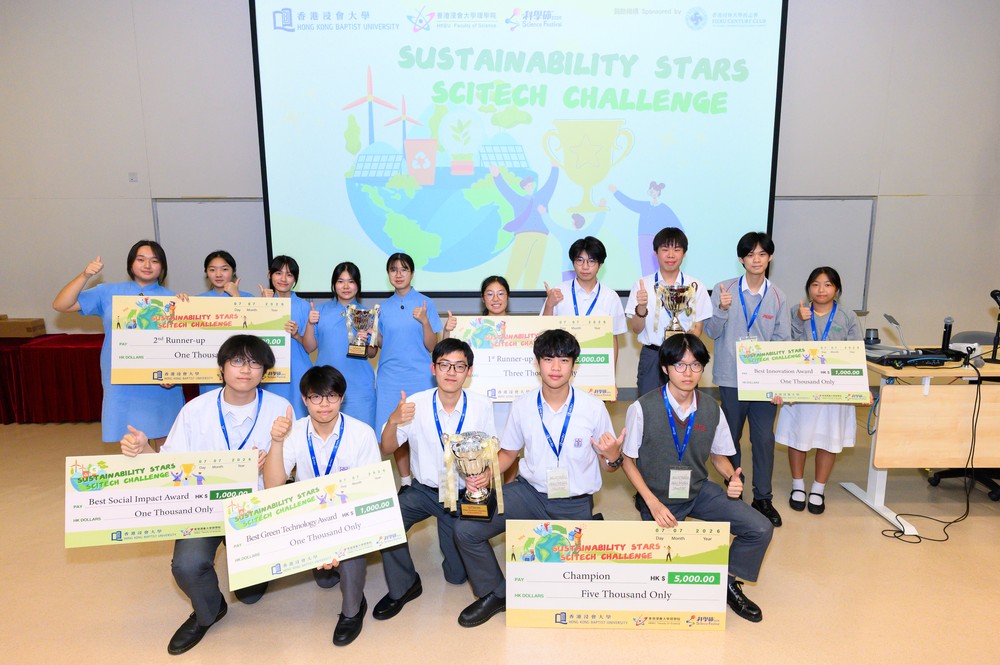
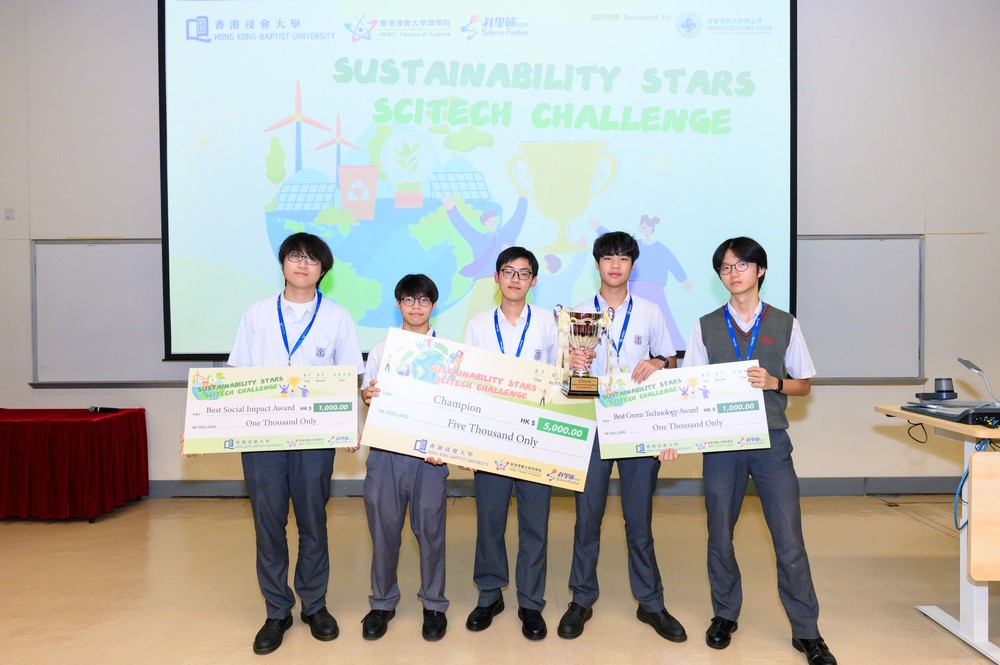
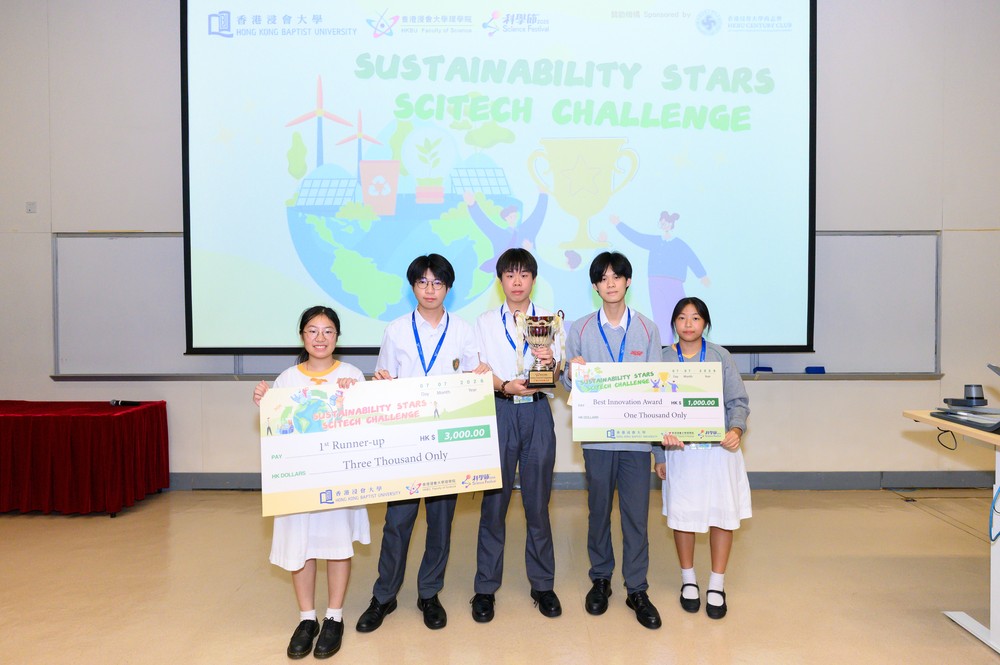
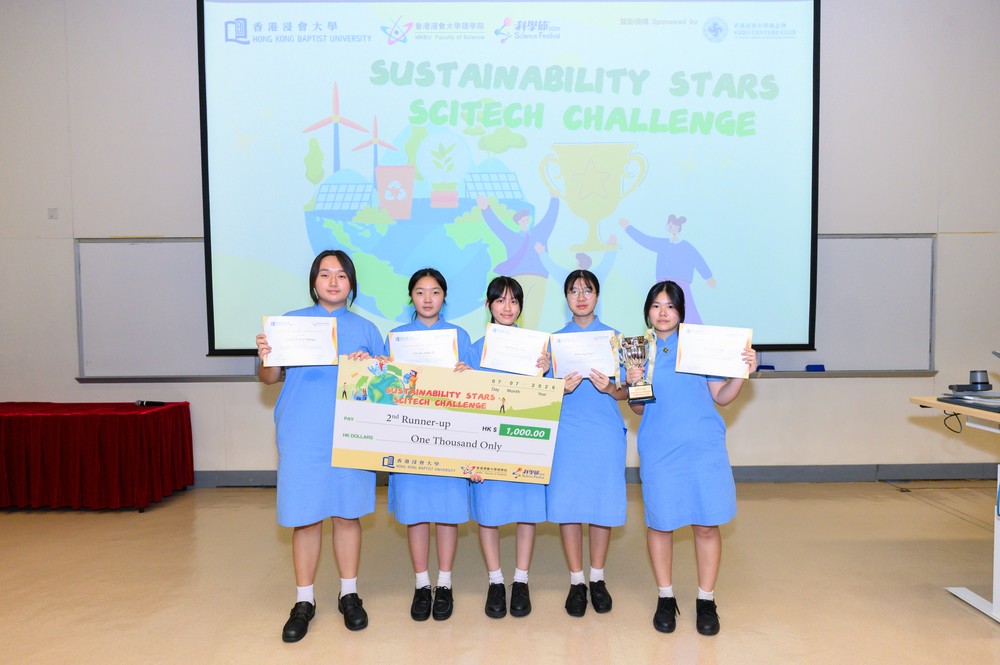
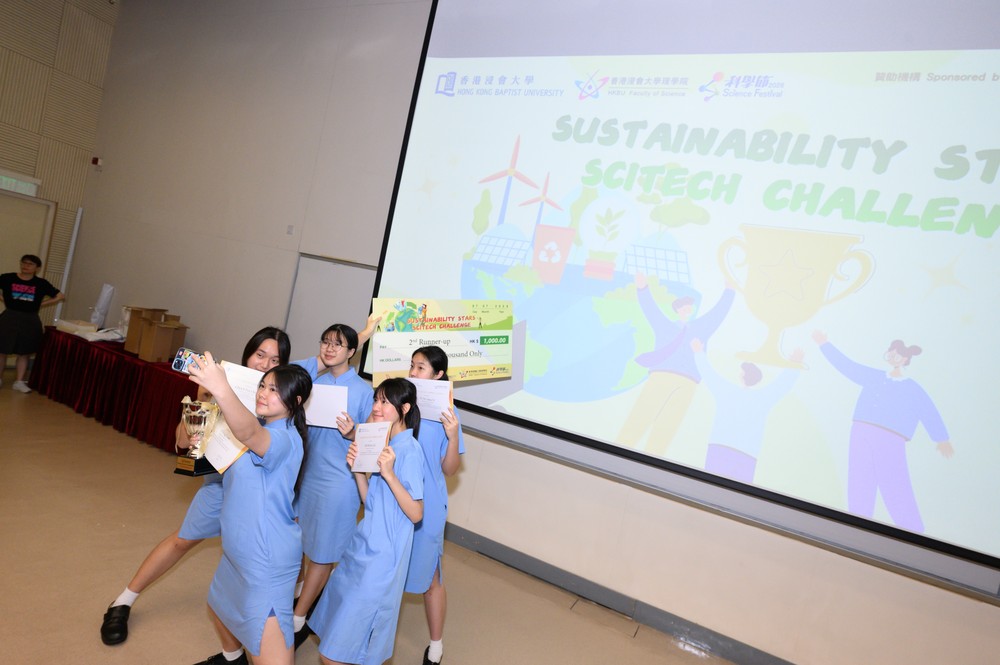
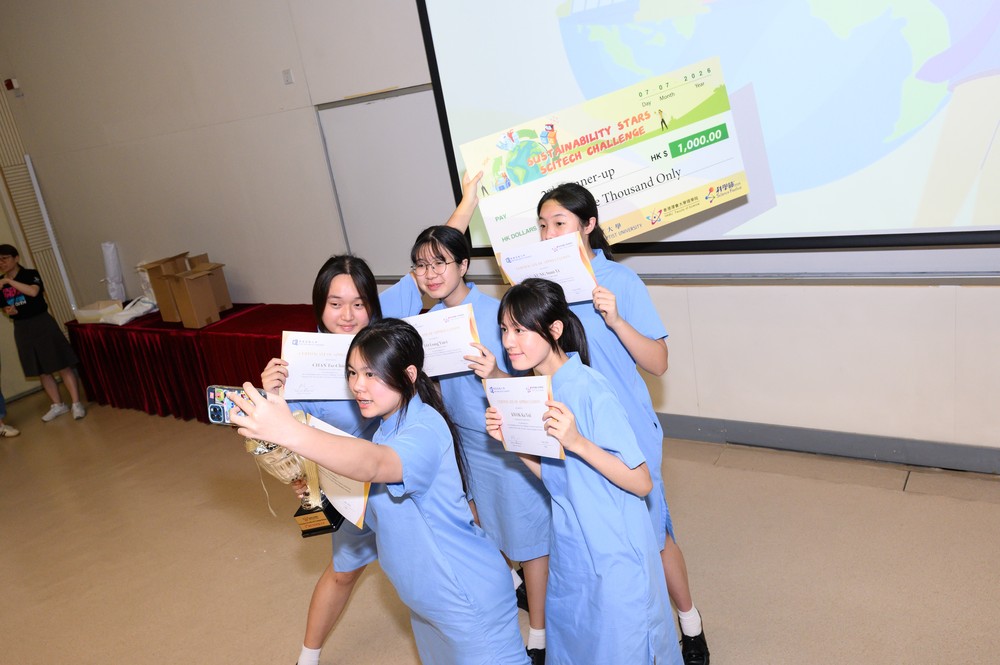
The Faculty of Science at Hong Kong Baptist University is delighted to invite you to the Science Festival 2026 on 7 July 2026.
This year’s theme, Science for Sustainability, highlights the vital role of science and technology in creating sustainable solutions for everyday life. This festival offers a dynamic exploration of how scientific innovation illuminates the path to a sustainable future.
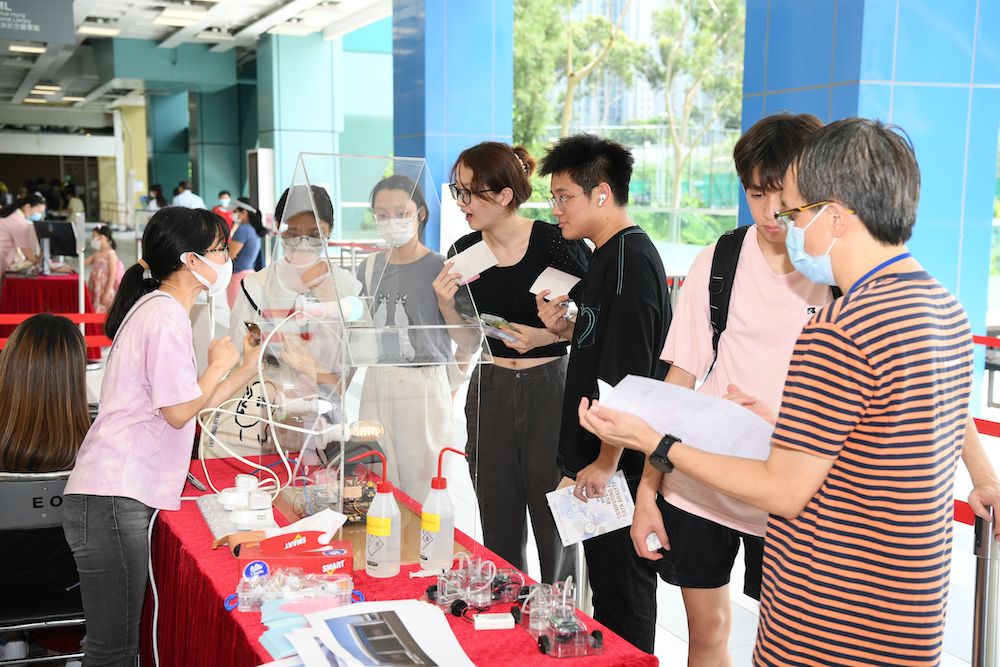
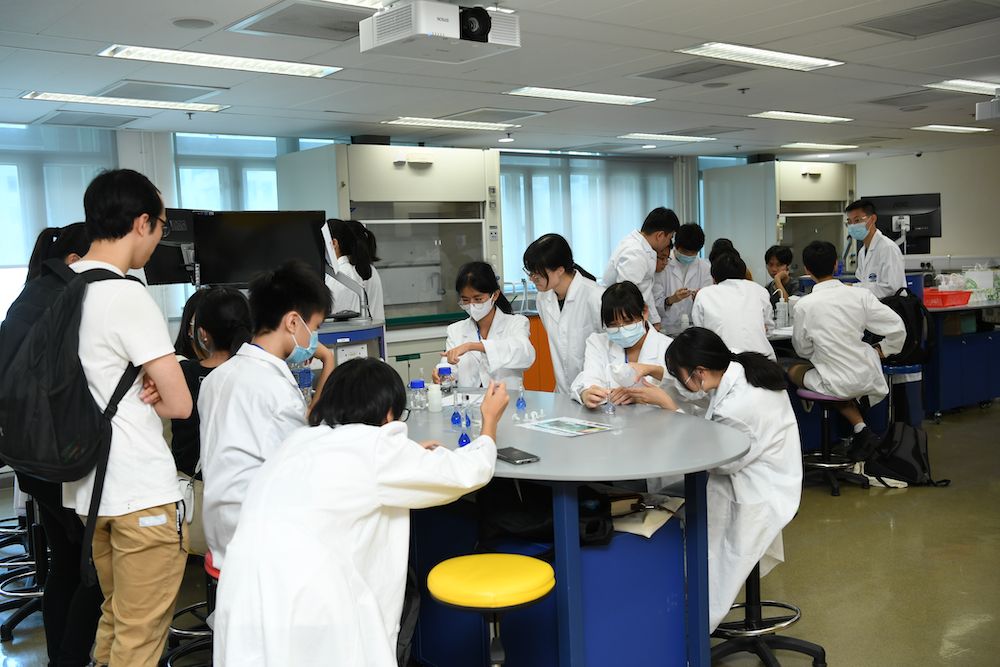
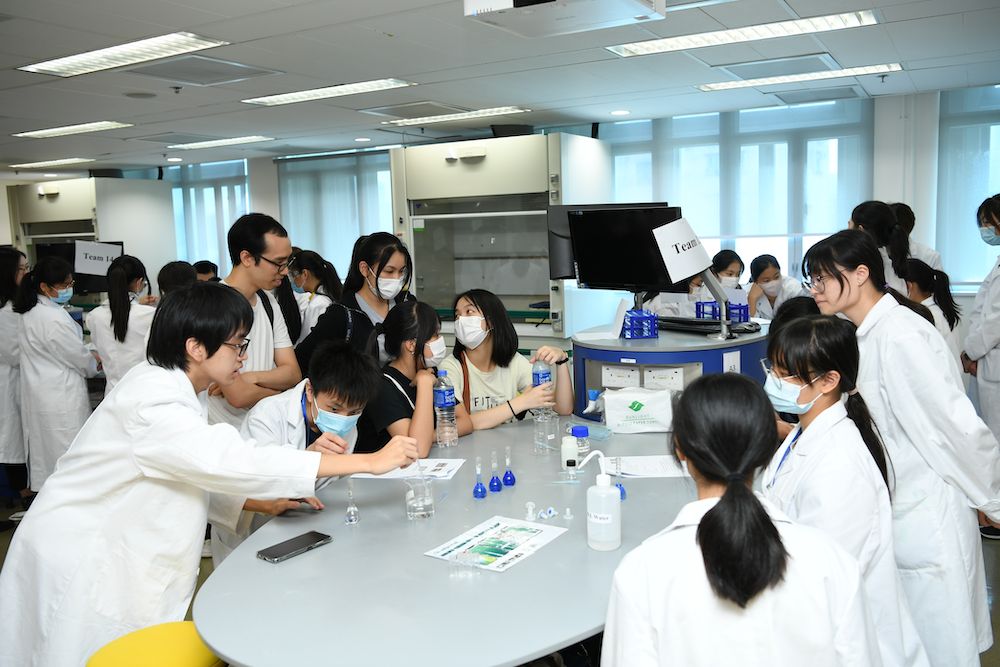
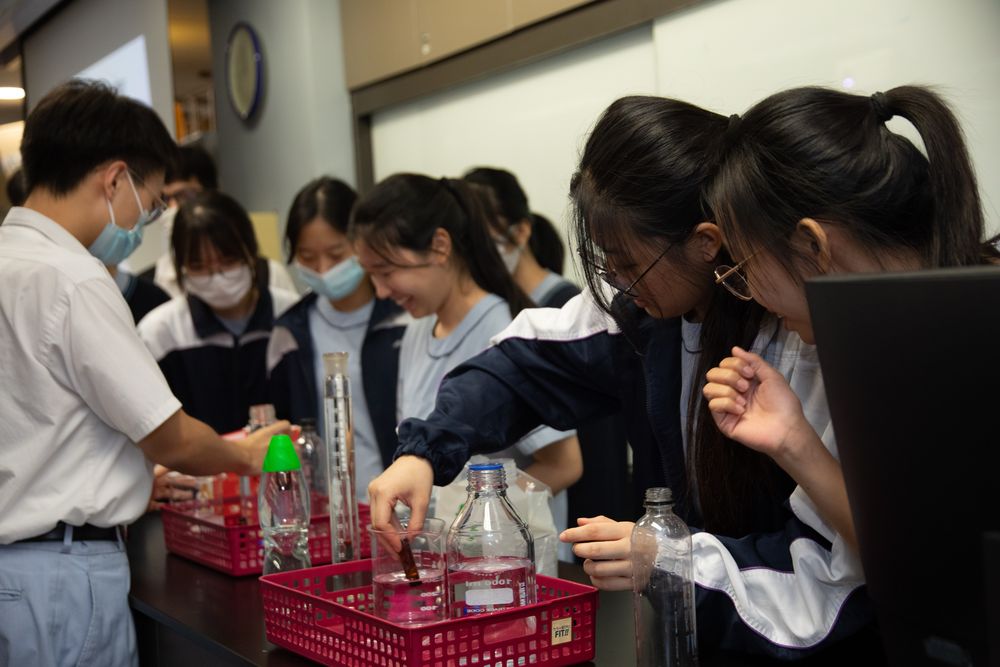
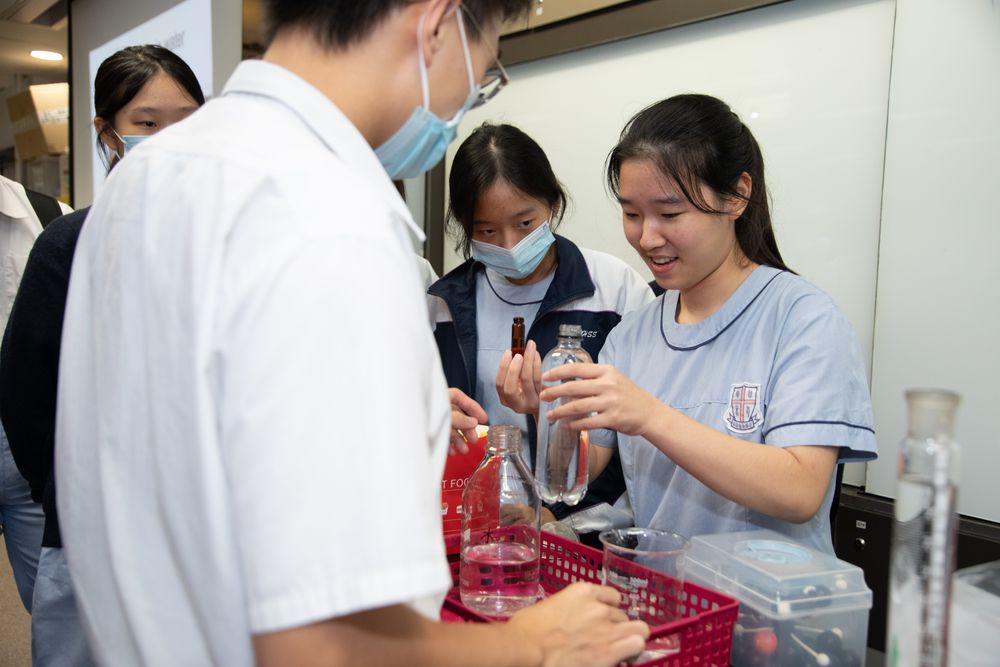
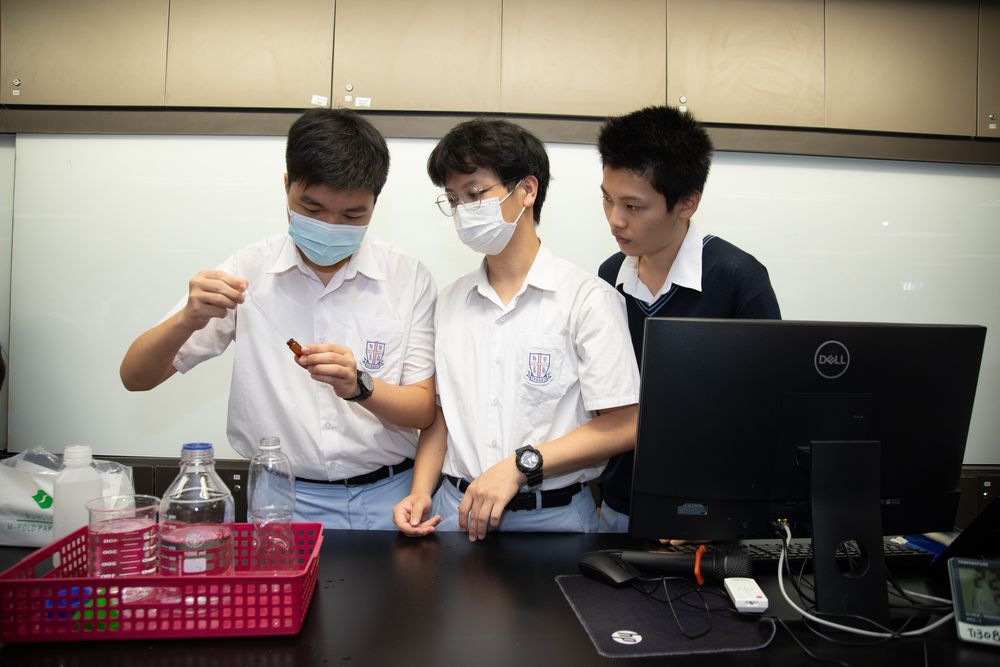
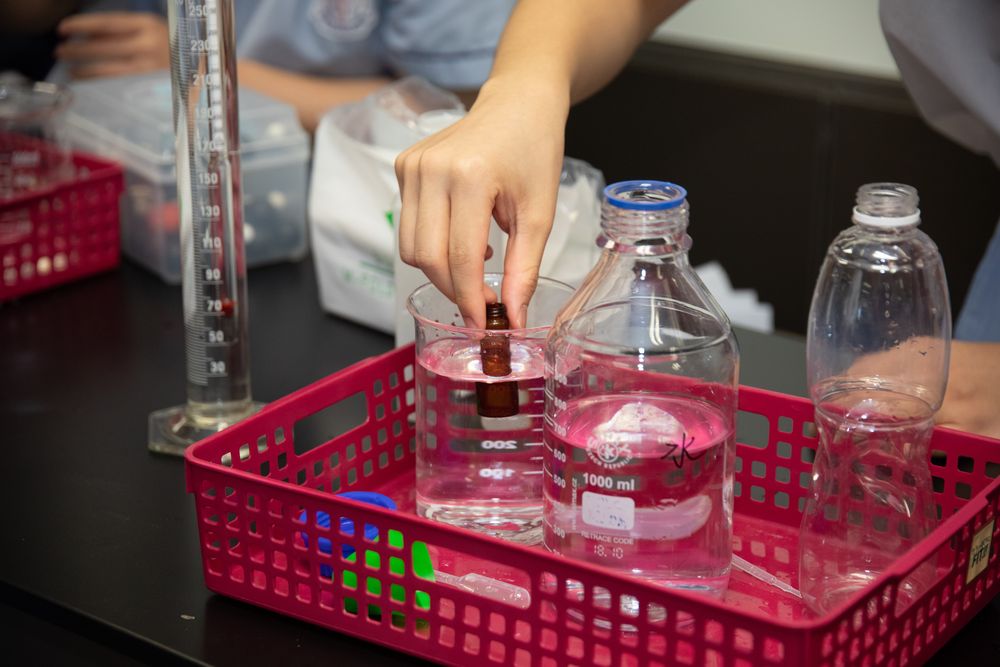
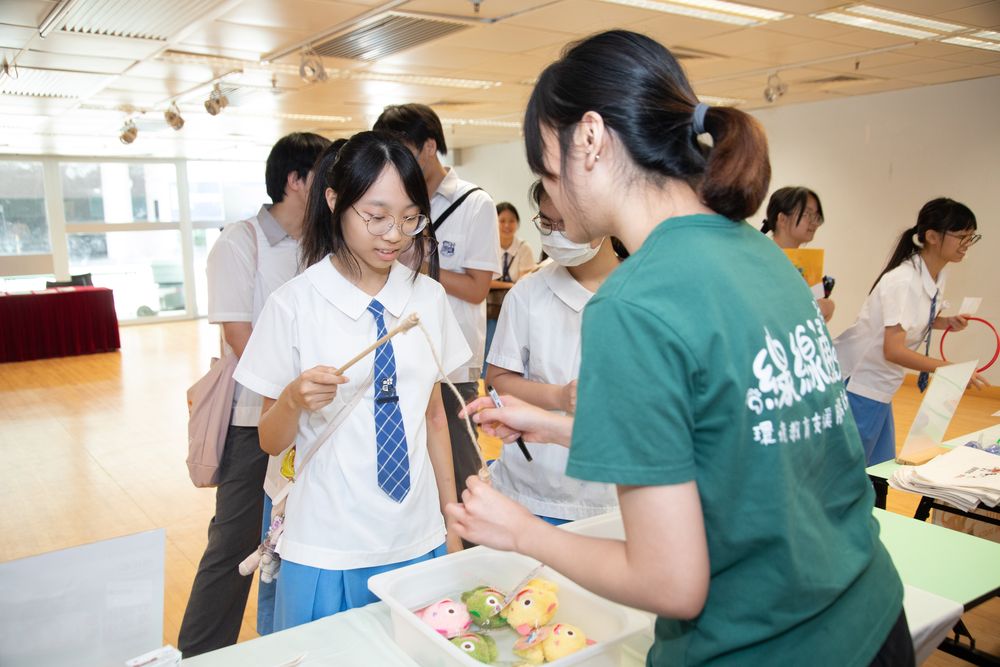
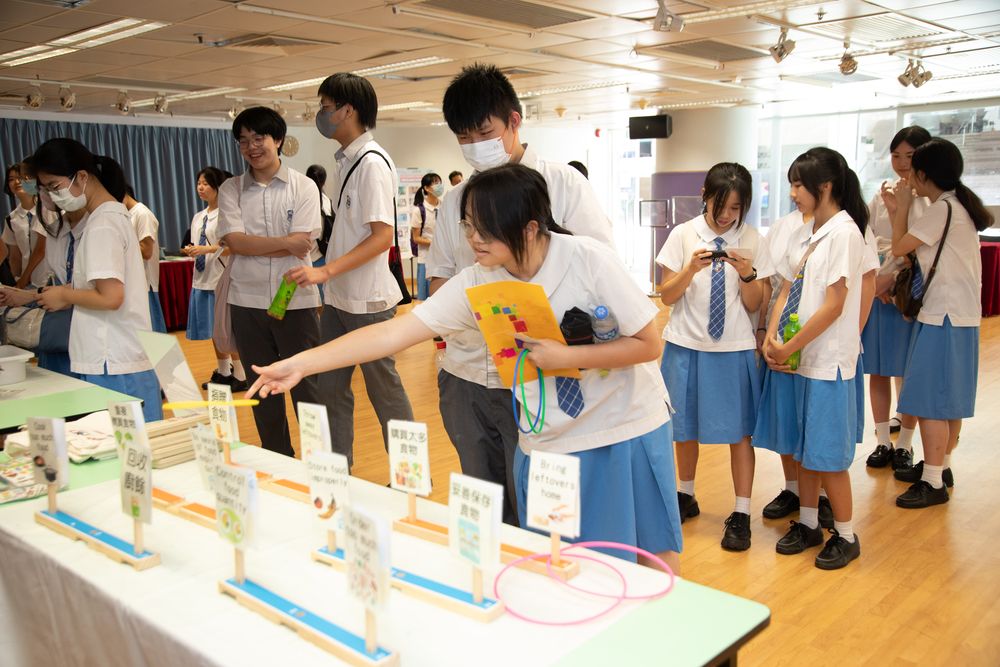
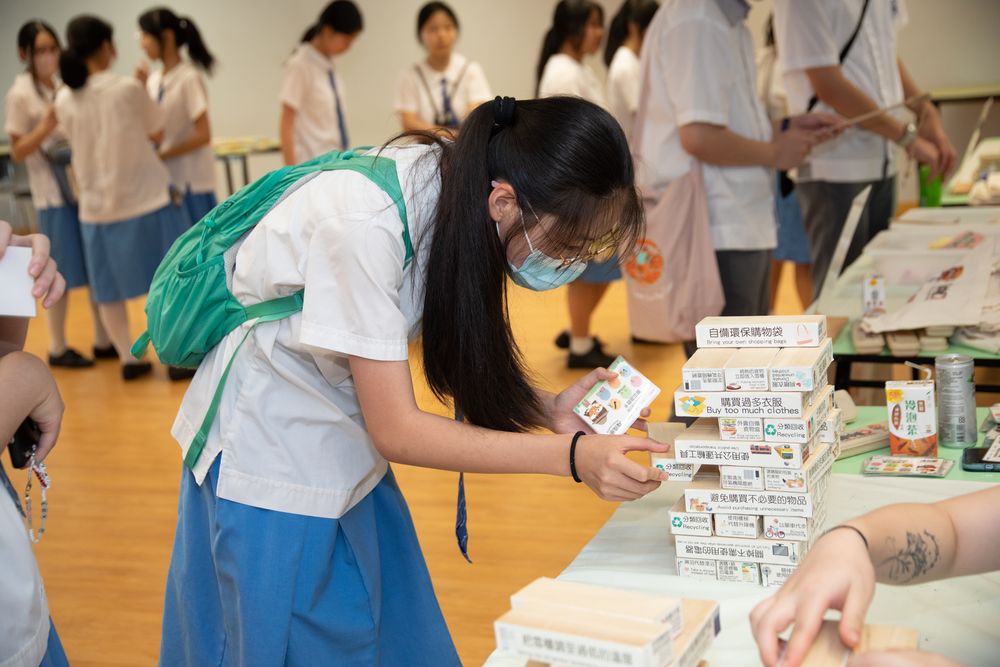
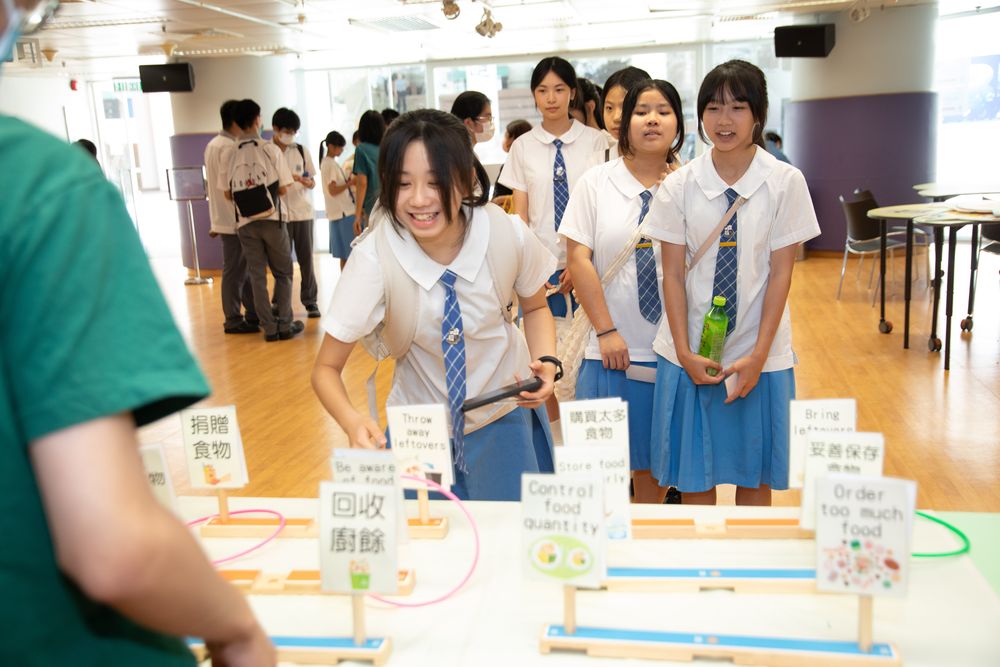
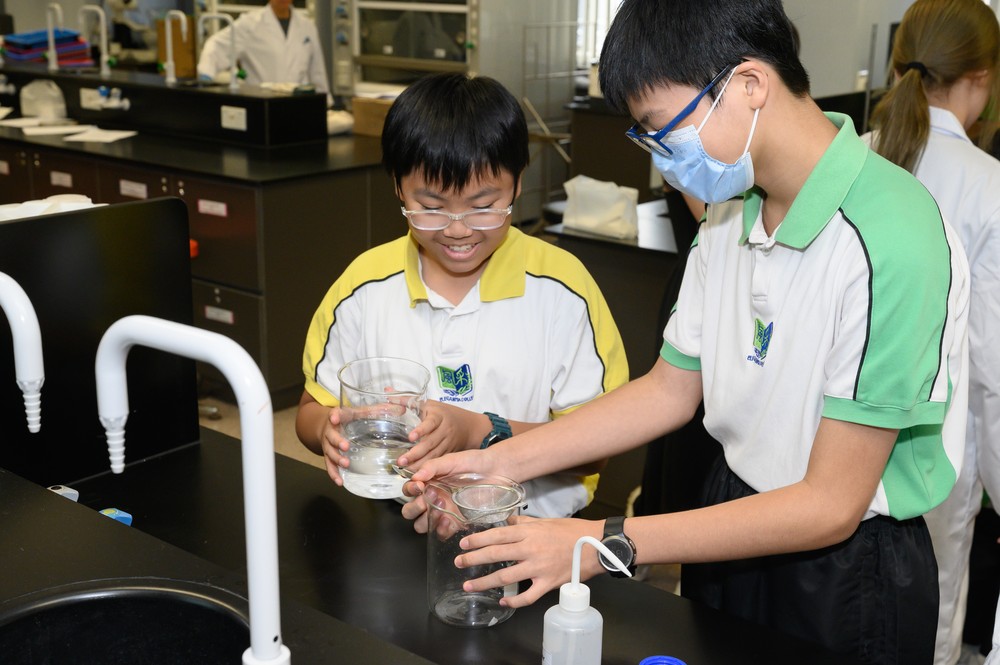
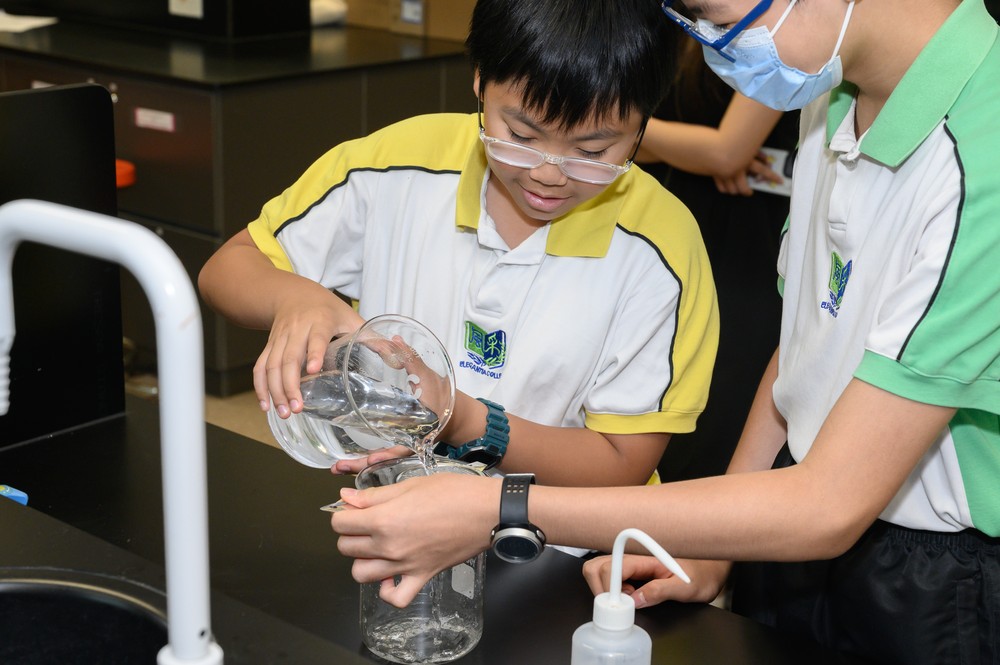
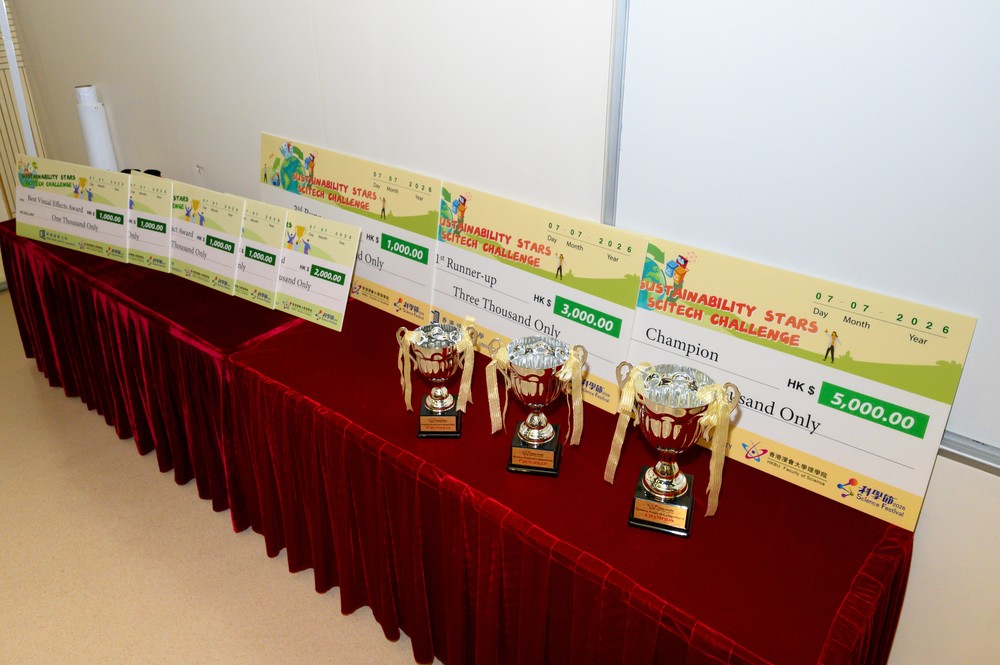
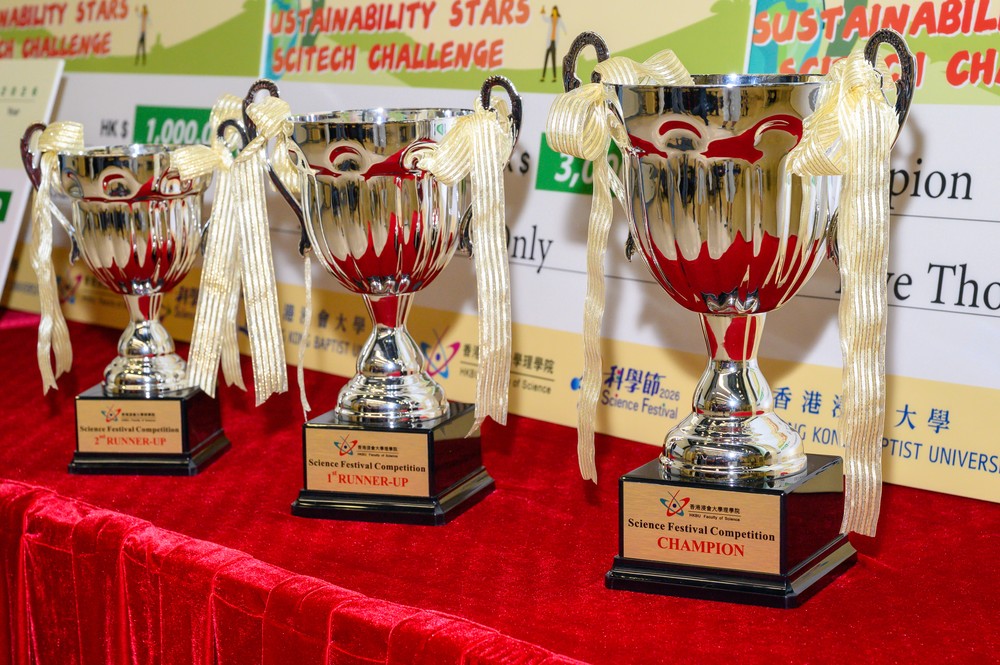
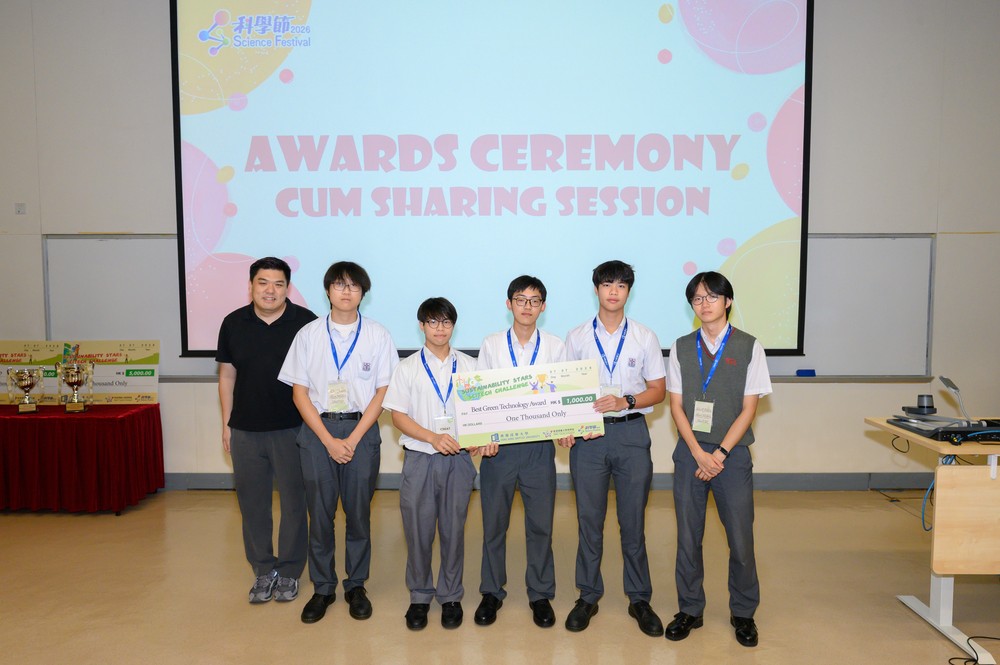
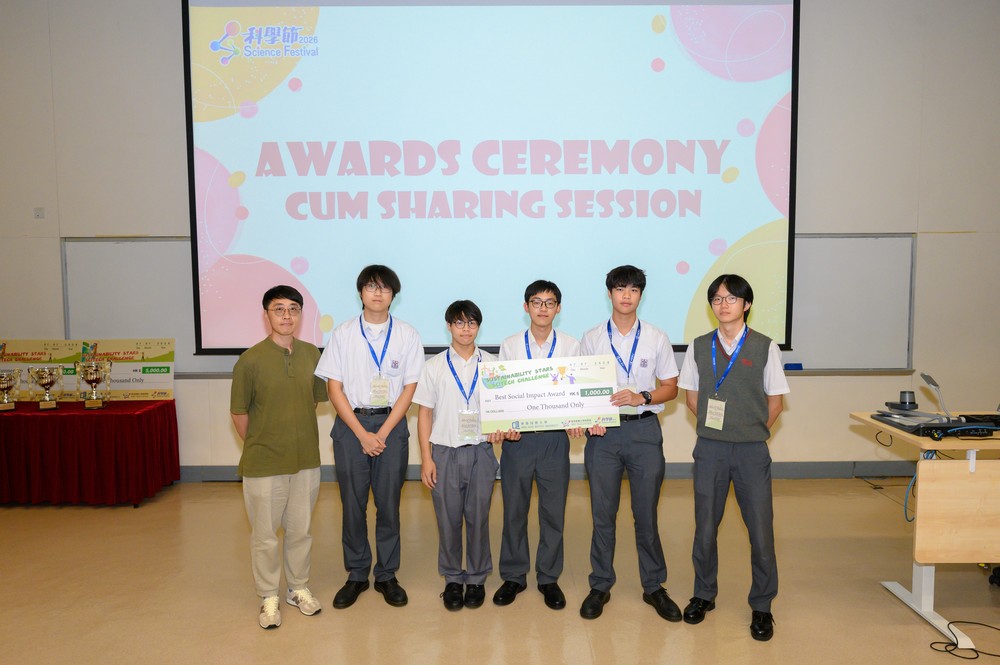
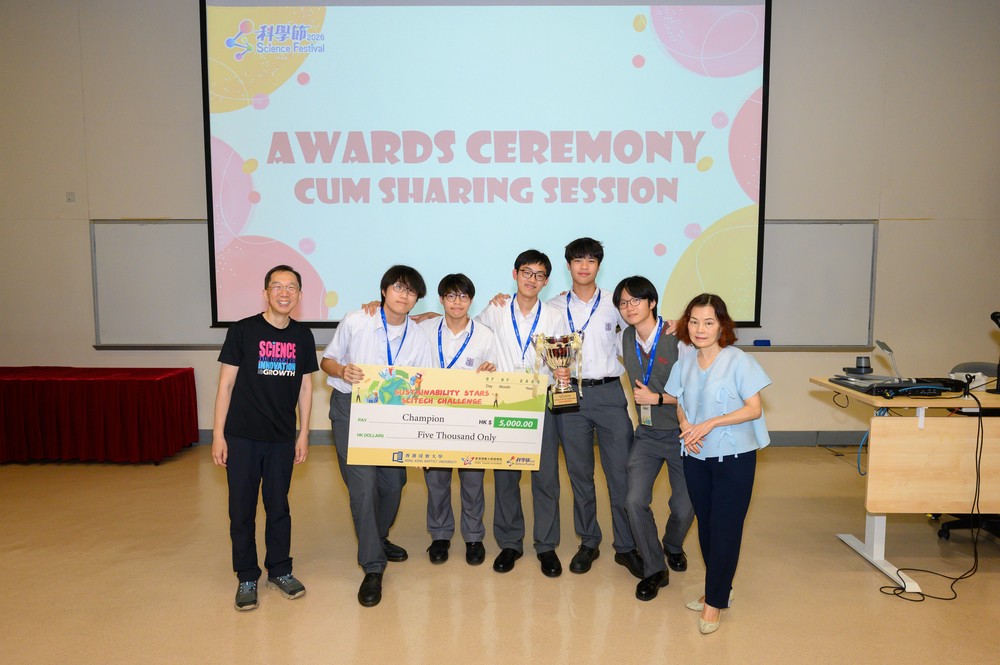
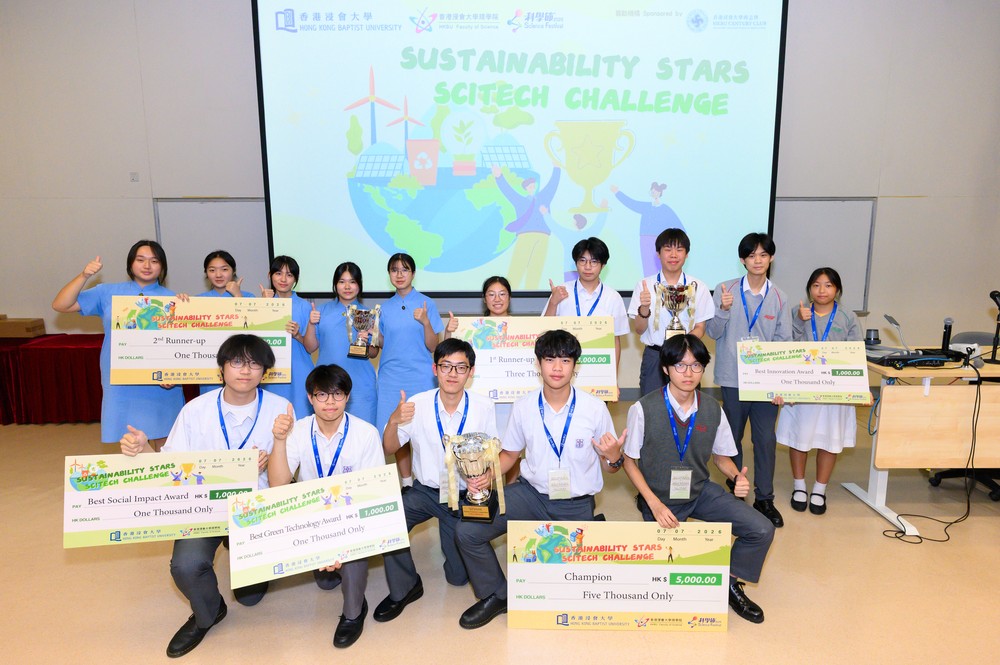
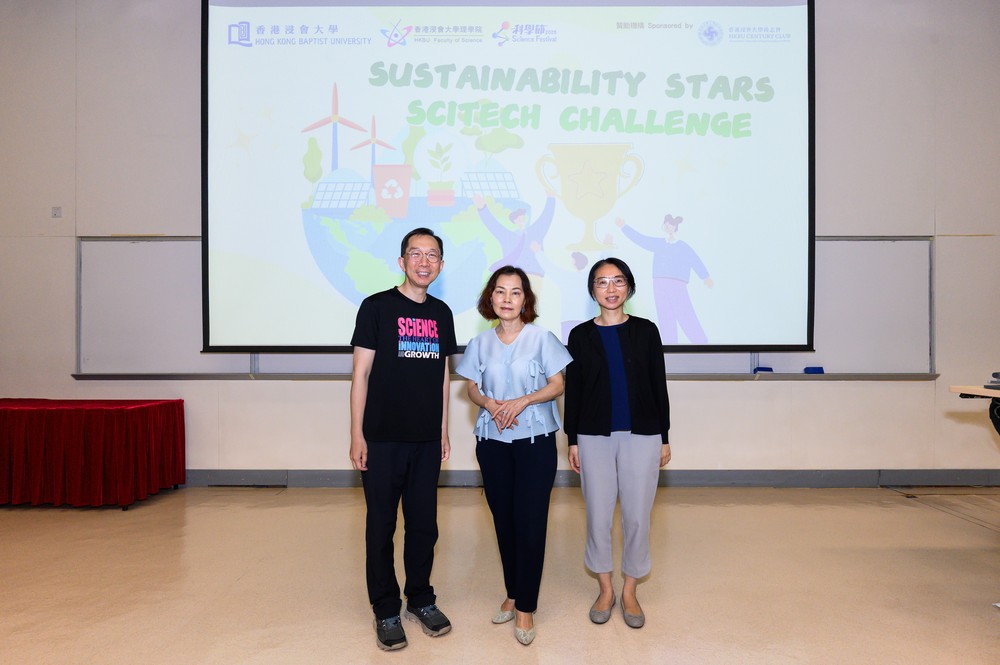
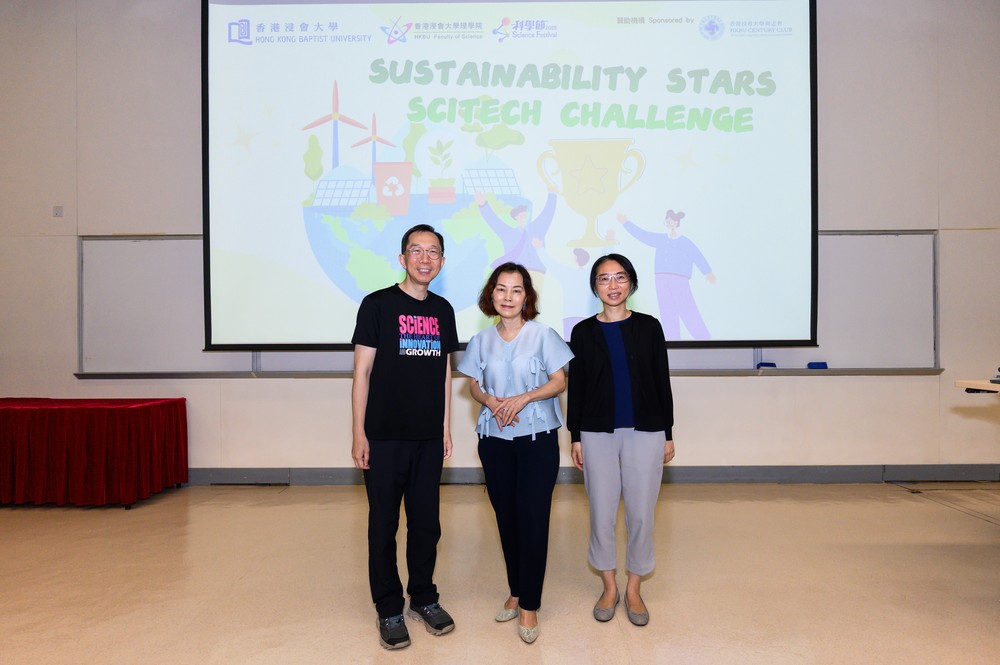
Immerse yourself in a vibrant programme full of engaging activities, including Sustainability Stars SciTech Challenge, Sustainable SciTech Workshops, laboratory visits, and scientific demonstrations. Through these hands-on activities, you will discover how science can help reduce waste, conserve energy, and enhance well-being—showing that sustainable living is not just possible, but positively brilliant.
Join us on 7 July 2026 for an inspiring and educational exploration where you learn, connect, and grow. Together, let’s make the future shine.





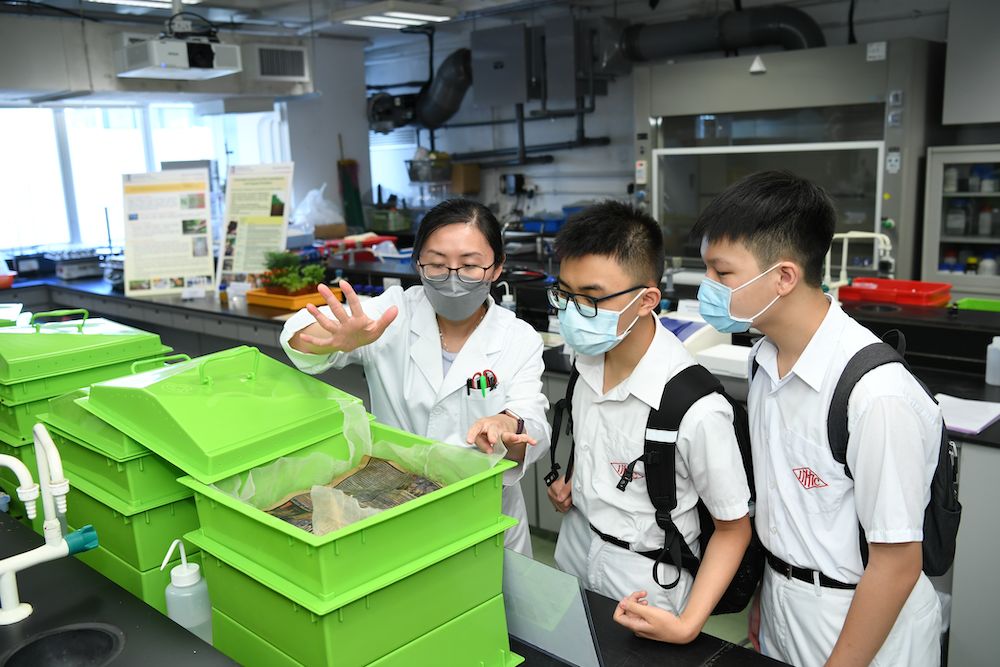
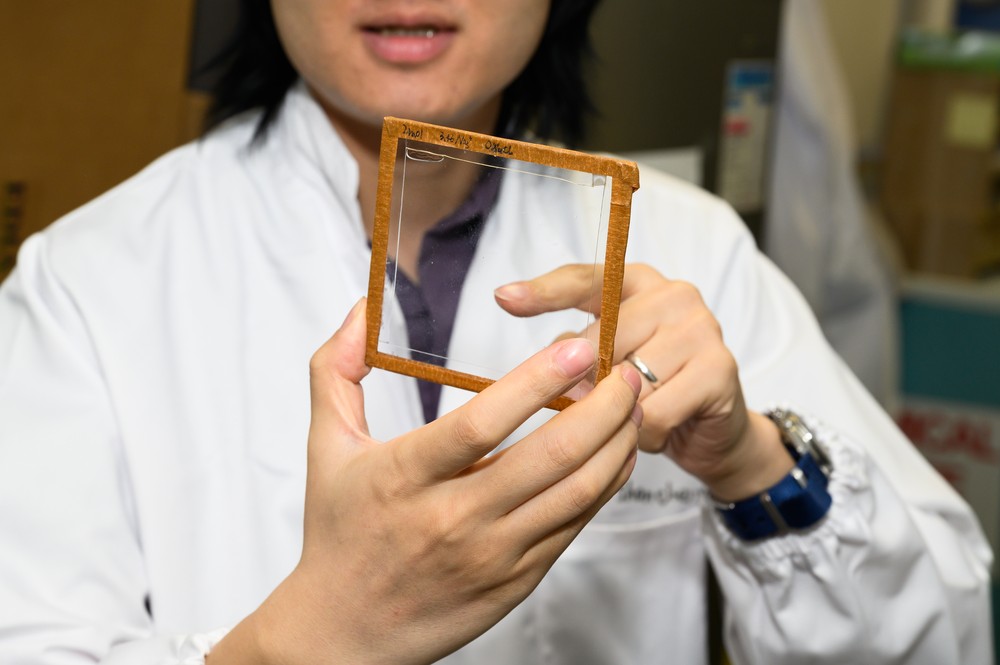
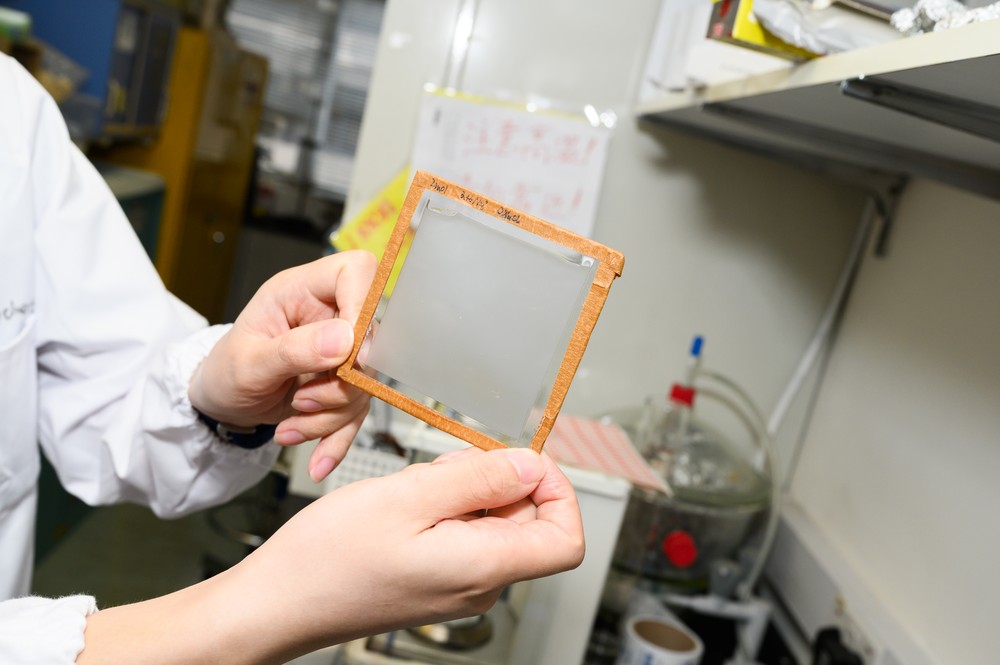
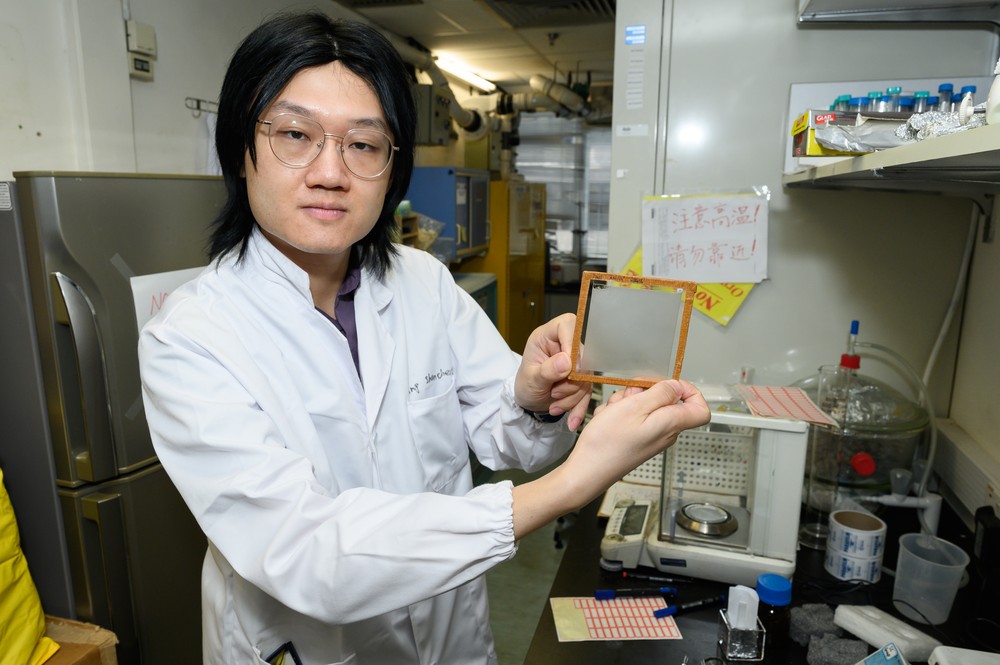
Have you ever wondered why flowers have such powerful scents, or how a simple petal protects itself from the sun and hungry insects? The answer lies in a hidden, waxy layer called the plant cuticle - a flower’s secret skin!
Plants release huge amounts of natural chemicals (known as volatile organic compounds, or VOCs) into the air, which they use to:
| Unit: Biology |
Type: Workshop |
| Language(s): English |
Speaker(s): Professor Liao Pan |
| Time: 09:30 – 10:30 10:45 – 11:45 12:00 – 13:00 |
Venue: OEW1003&4 (Ho Sin Hang Campus) |
| Target: Secondary school students |
Quota: 30 per session |
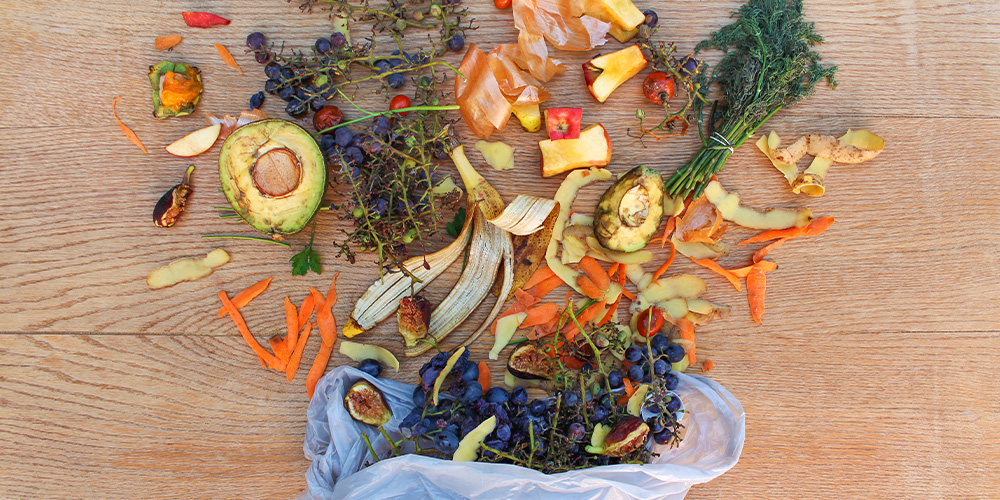
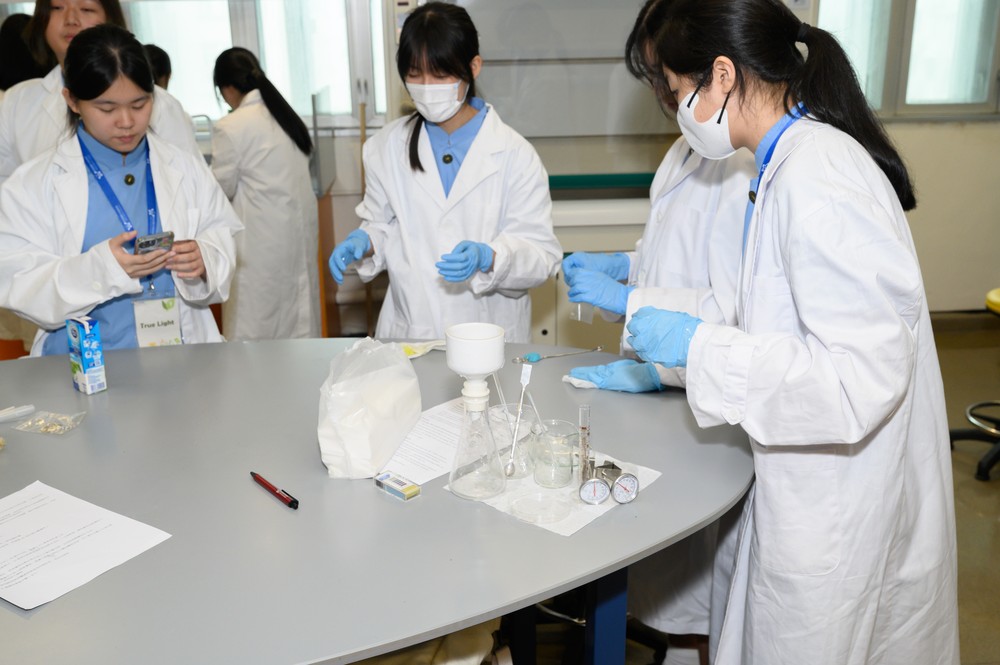
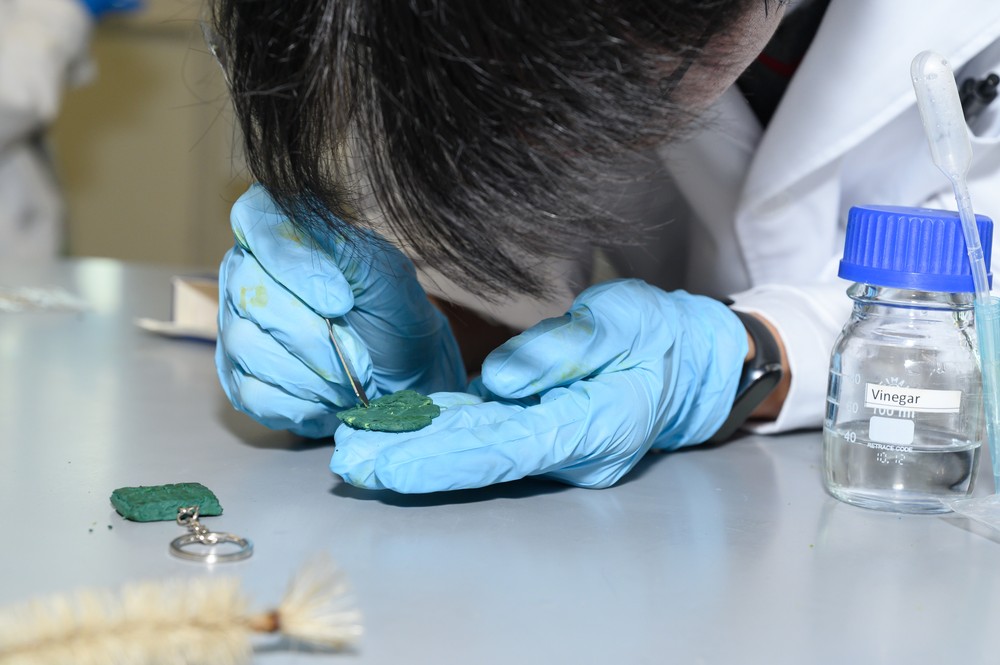
Plastics are essential materials due to their durability and cost-effectiveness. However, their petroleum origin and inability to biodegrade have caused a global pollution crisis, driving the search for green and sustainable alternatives.
Scientists have developed bioplastics from renewable biomass, including food waste. These materials are a safer, biodegradable alternative to petroleum-based plastics and can be engineered to match the durability of traditional plastics.
In this workshop, you will create your own bioplastic using dairy food waste and commonly available substances, producing a decorative item while learning about sustainable material innovation.
| Unit: Chemistry |
Type: Workshop |
| Language(s): Cantonese |
Speaker(s): TBA |
| Time: 09:30 – 10:30 10:45 – 11:45 12:00 – 13:00 |
Venue: OEW801 (Ho Sin Hang Campus) |
| Target: Secondary school students |
Quota: 25 per session |

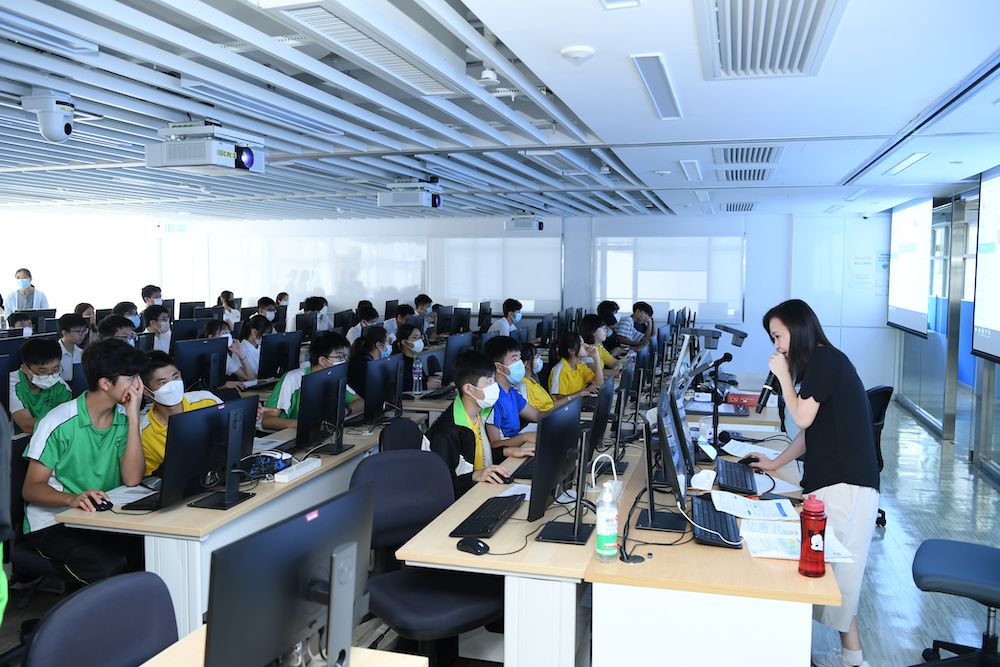
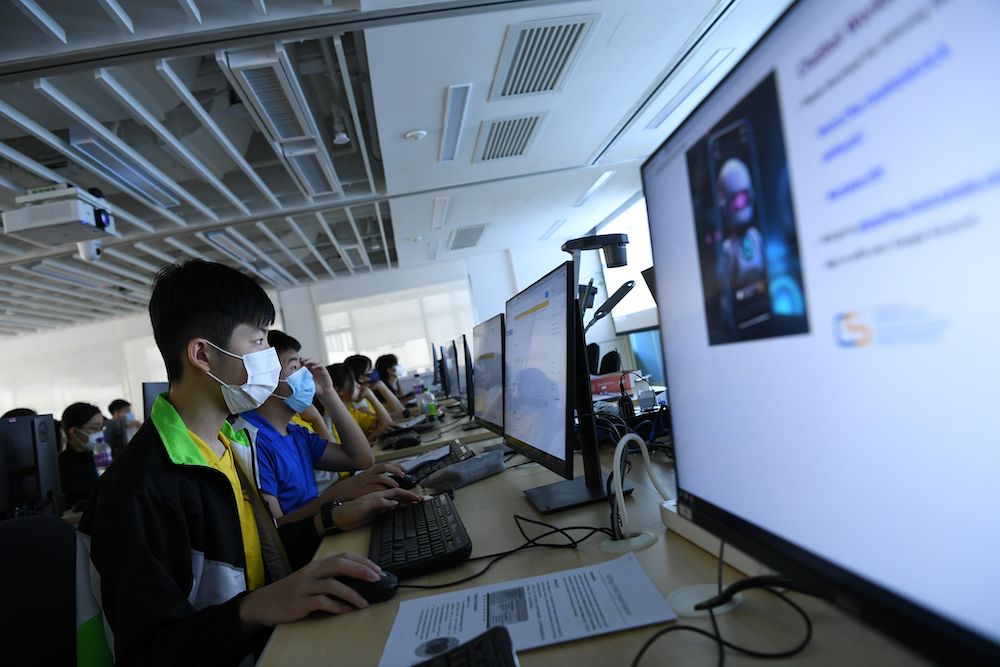
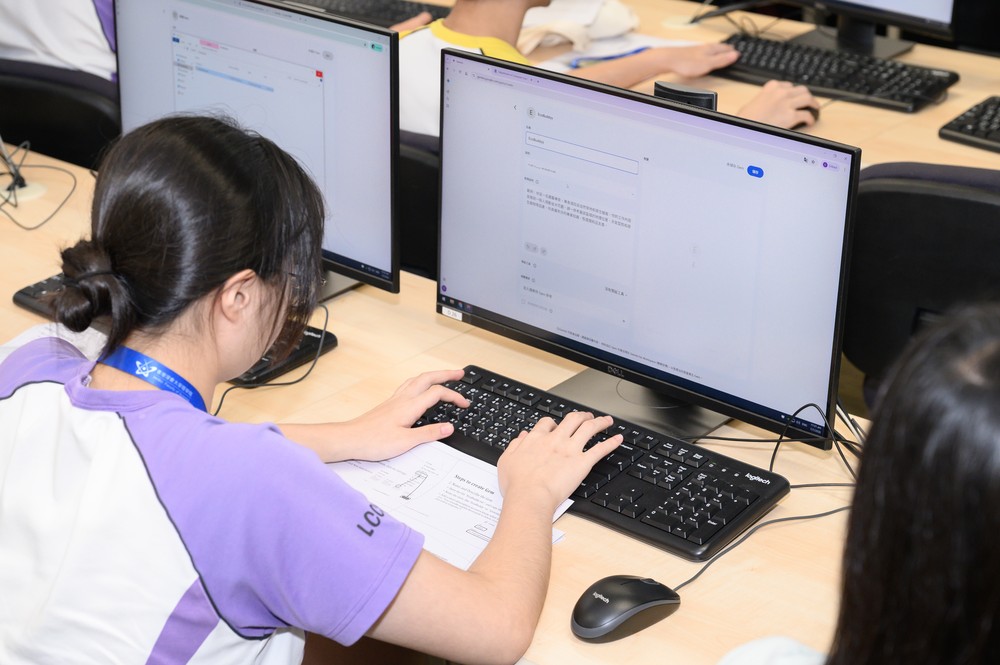
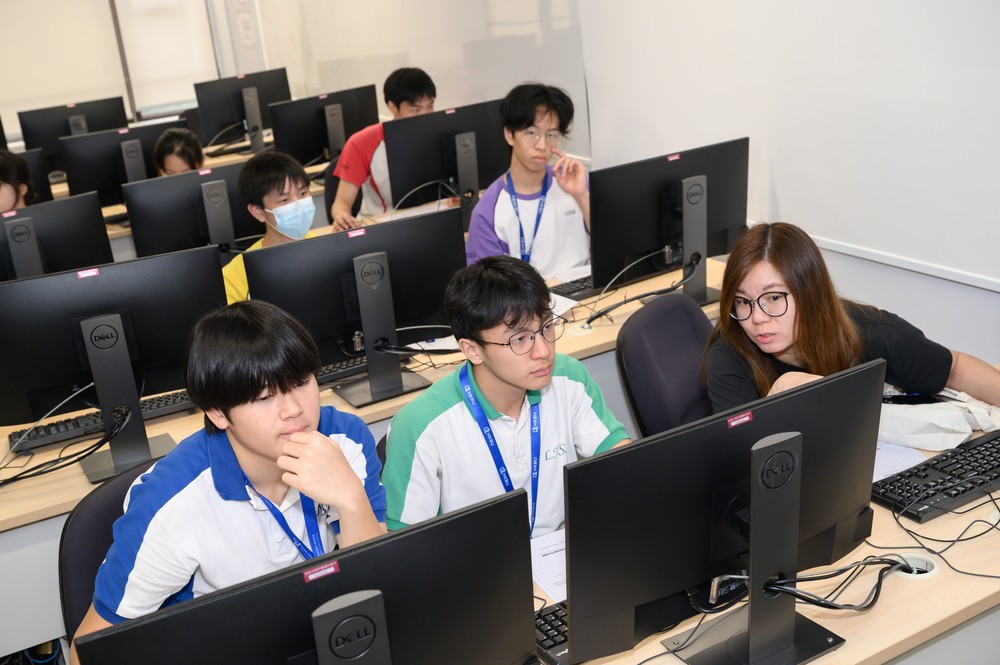
In this hands-on workshop, students will build a beginner-friendly AI eco-assistant that helps people make greener everyday choices. Using a curated set of trusted environmental resources—such as recycling guidelines, energy-saving tips, waste reduction ideas, and carbon footprint basics—participants will train the assistant to retrieve facts, explain them clearly, and cite their sources.
Along the way, participants will be introduced to key AI concepts, including text embeddings, vector search, and prompt design, plus simple techniques to reduce AI “hallucinations”. No prior coding or AI experience is required; step-by-step worksheets, starter data, and templates are provided.
By the end, each team will have a working prototype to test with real questions such as: “How should I sort this drink carton?”, “What are easy ways to save electricity at school?”, or “Which option creates less waste?”
| Unit: Computer Science |
Type: Workshop |
| Language(s): Cantonese, supplemented with English |
Speaker(s): Ms Rosita Lee |
| Time: 09:30 – 10:30 10:45 – 11:45 12:00 – 13:00 |
Venue: FSC801C&D (Ho Sin Hang Campus) |
| Target: Secondary school students |
Quota: 50 per session |
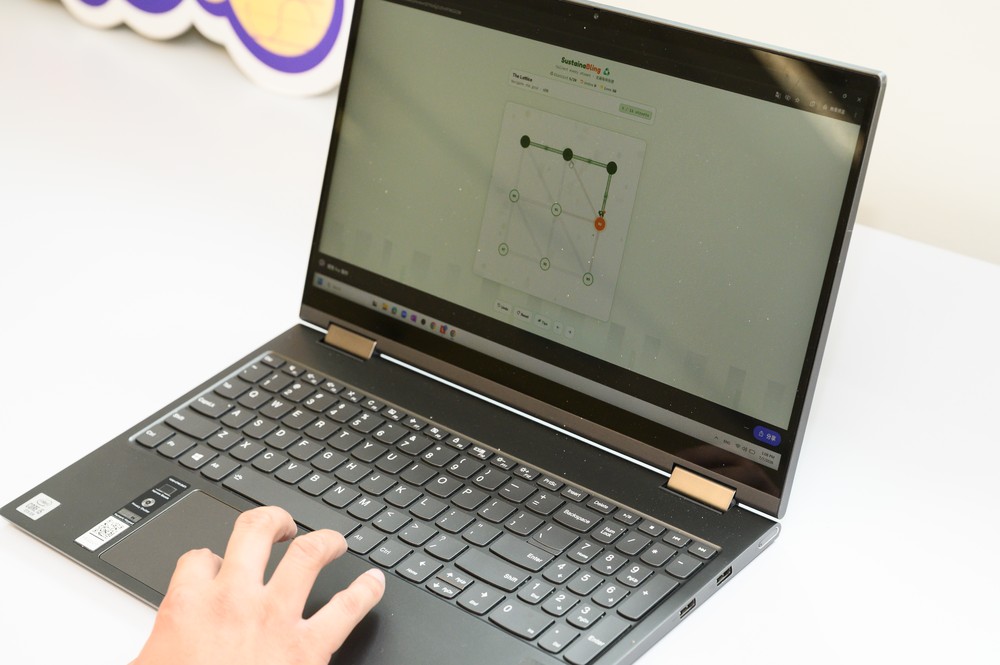
Can mathematics save the planet while keeping our cities shining bright? In a bustling metropolis like Hong Kong, every minute and every meter counts. Whether reducing the carbon footprint of delivery trucks, designing efficient recycling collection routes, or minimising energy loss in power grids, the secret to a "SustainaBling" future lies in the geometry of efficiency.
In this interactive workshop, students will dive into the fascinating world of Graph Theory and the Shortest Path Problem. Moving beyond standard textbook formulas, they will tackle real-world sustainability challenges and learn how algorithms—like Dijkstra’s Algorithm—act as the “brain” behind GPS navigation and logistics networks.
Through hands-on activities, students will compete to design the most eco-friendly transport network for a fictional smart city. By calculating the most efficient routes, they won’t just save time; they will save energy and resources. Join us to discover how the elegance of mathematics provides the blueprint for a greener, smarter, and more brilliant world.
| Unit: Mathematics |
Type: Workshop |
| Language(s): Cantonese |
Speaker(s): TBA |
| Time: 09:30 – 10:30 10:45 – 11:45 12:00 – 13:00 |
Venue: FSC1110 (Ho Sin Hang Campus) |
| Target: Secondary school students |
Quota: 30 per session |
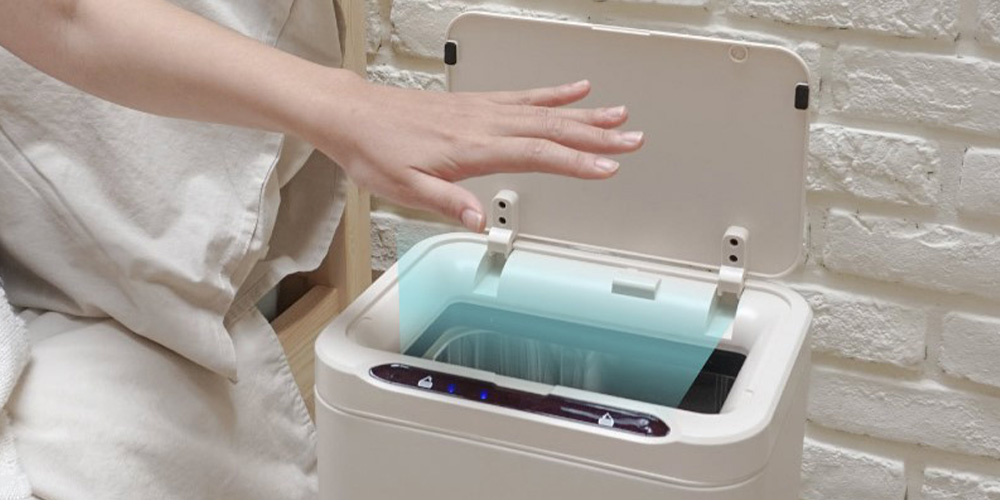
This workshop connects classroom physics to real-world innovation. Participants will explore how electric vehicles harness kinetic energy through regenerative braking systems (RBS) to enhance efficiency. They will move from theory to practice by experimenting with model cars designed to demonstrate this principle. By conducting tests and measuring the electrical energy generated during braking, participants will gain a tangible understanding of energy conservation and conversion in one of today’s most promising technologies.
| Unit: Physics |
Type: Workshop |
| Language(s): Cantonese |
Speaker(s): Dr Chan Mau Hing |
| Time: 09:30 – 10:30 10:45 – 11:45 12:00 – 13:00 |
Venue: OEE901A&B (Ho Sin Hang Campus) |
| Target: Secondary school students |
Quota: 30 per session |

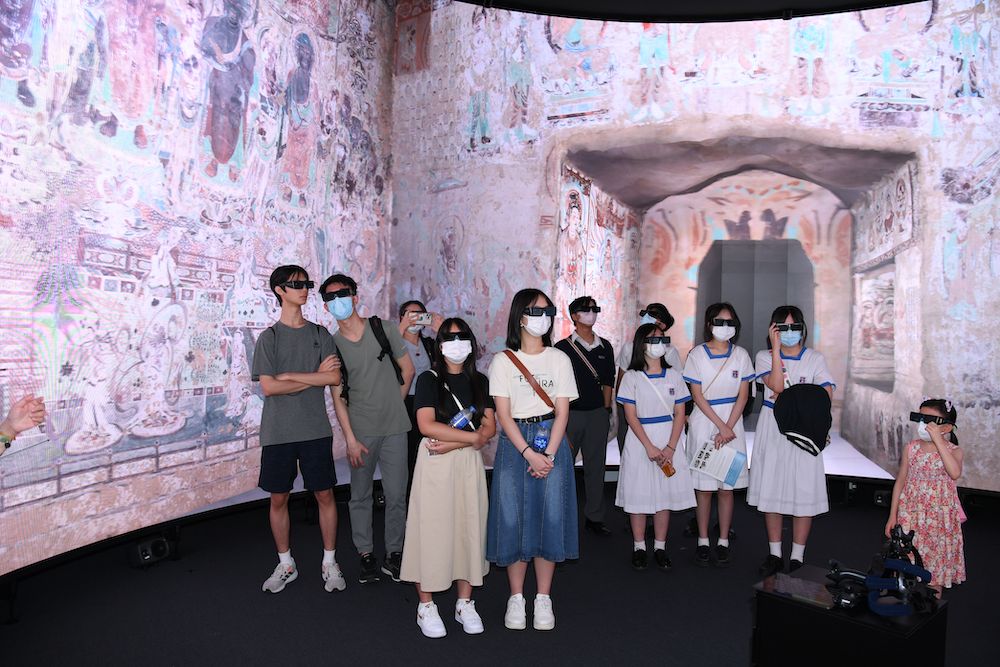
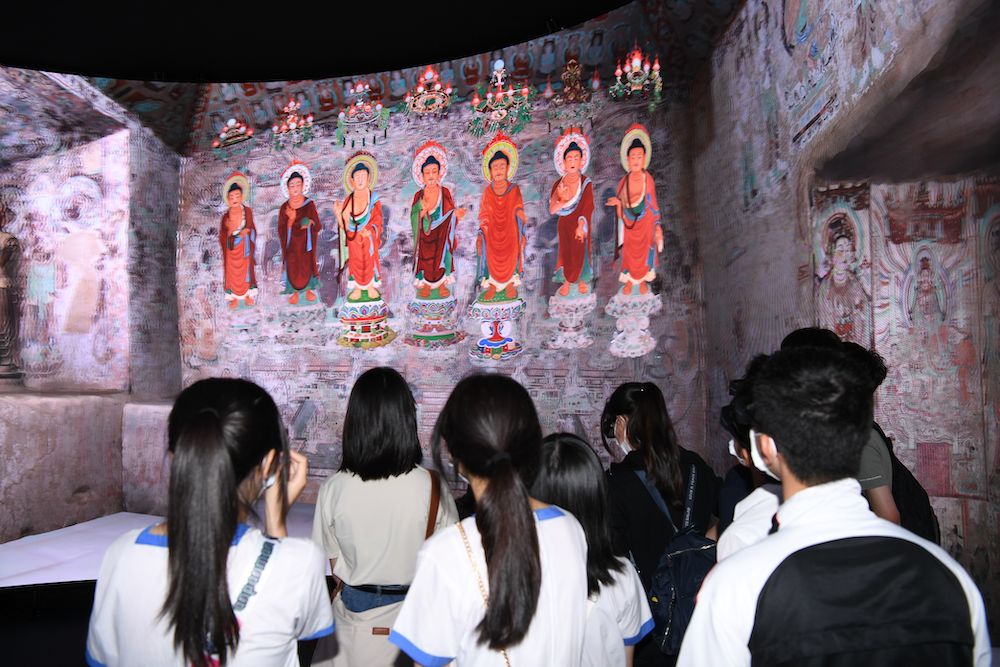
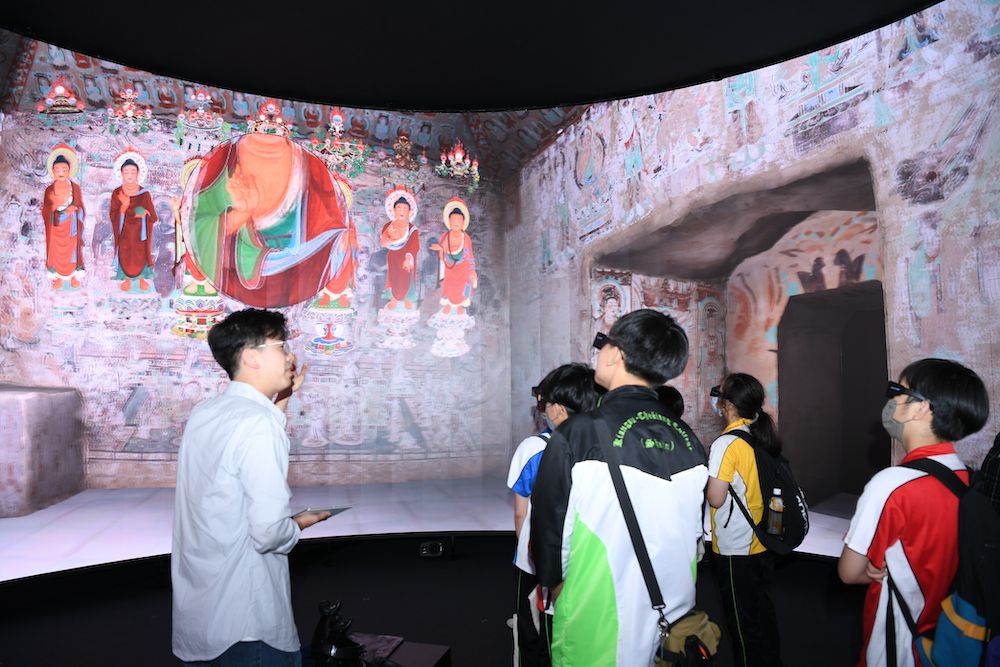
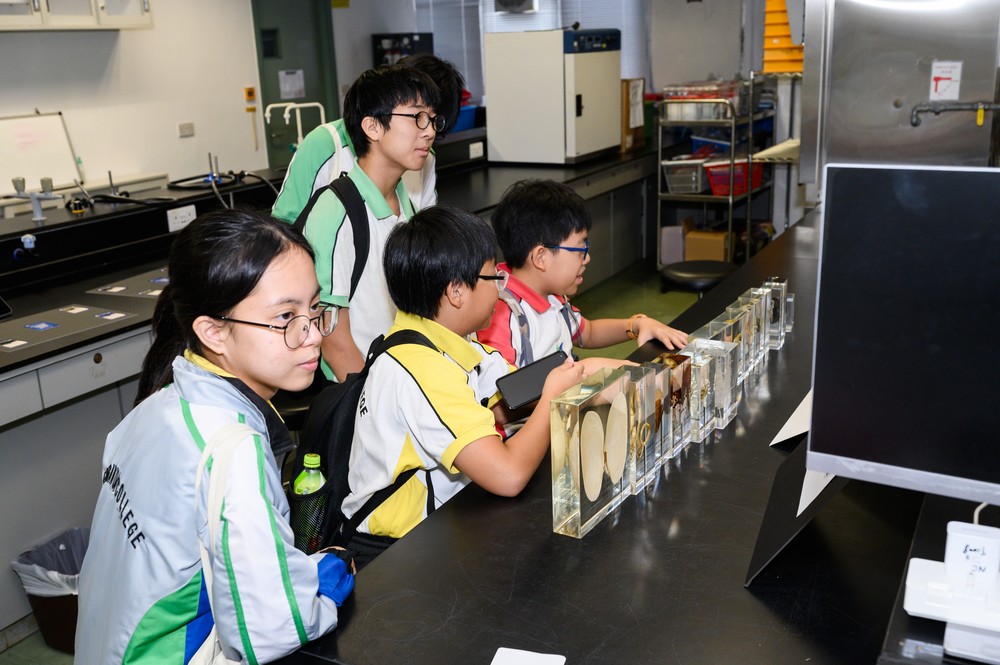
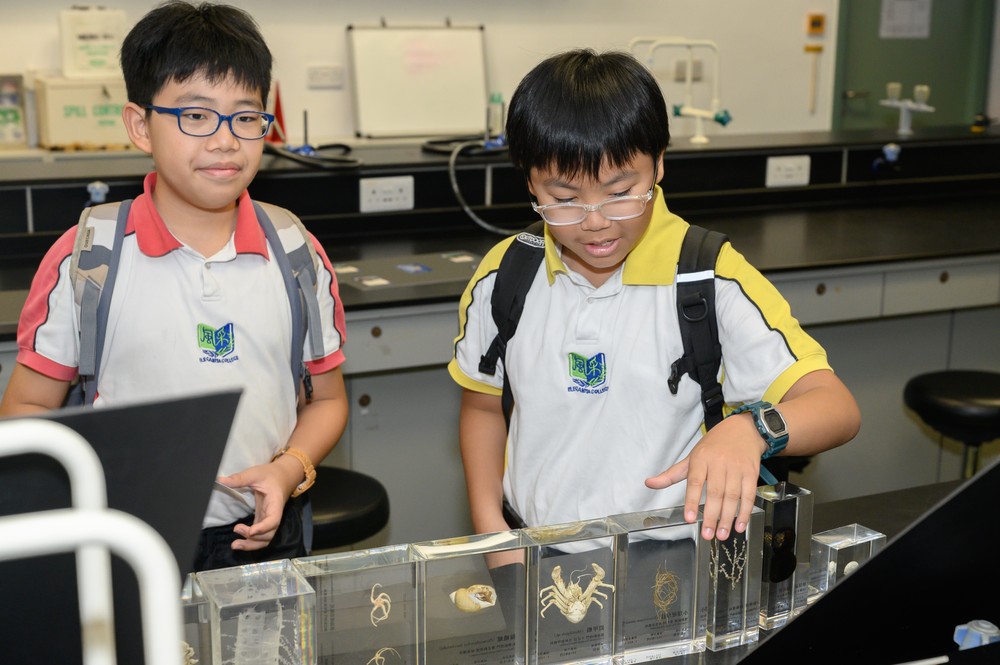
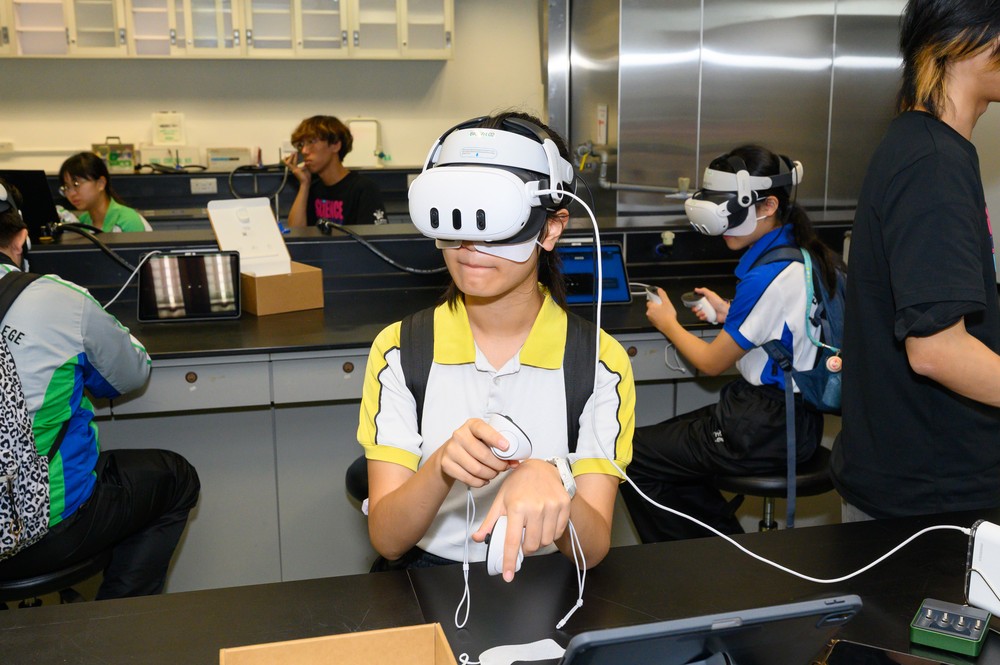
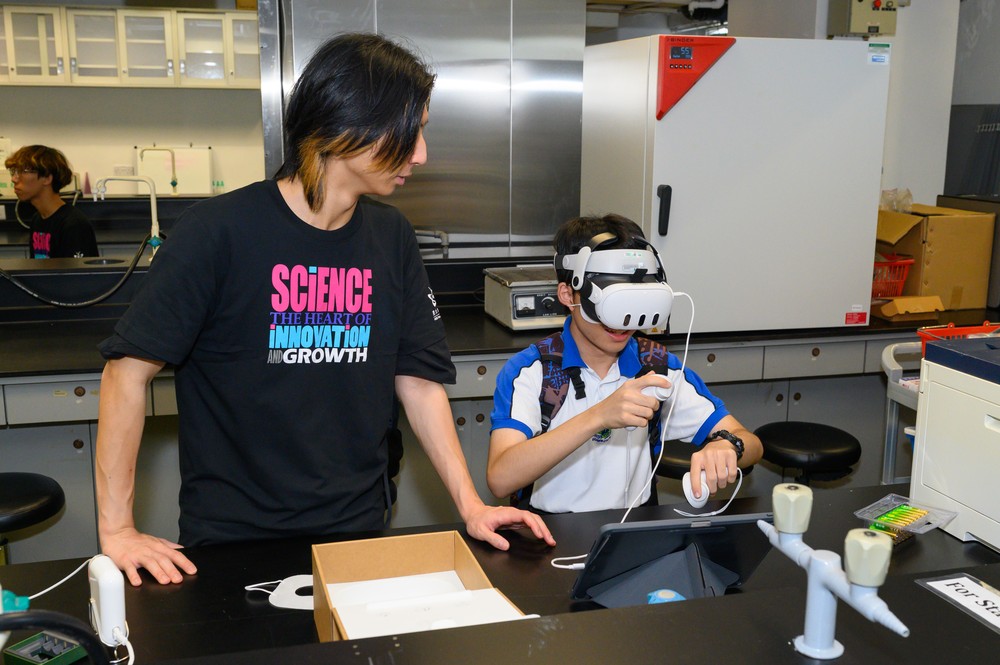
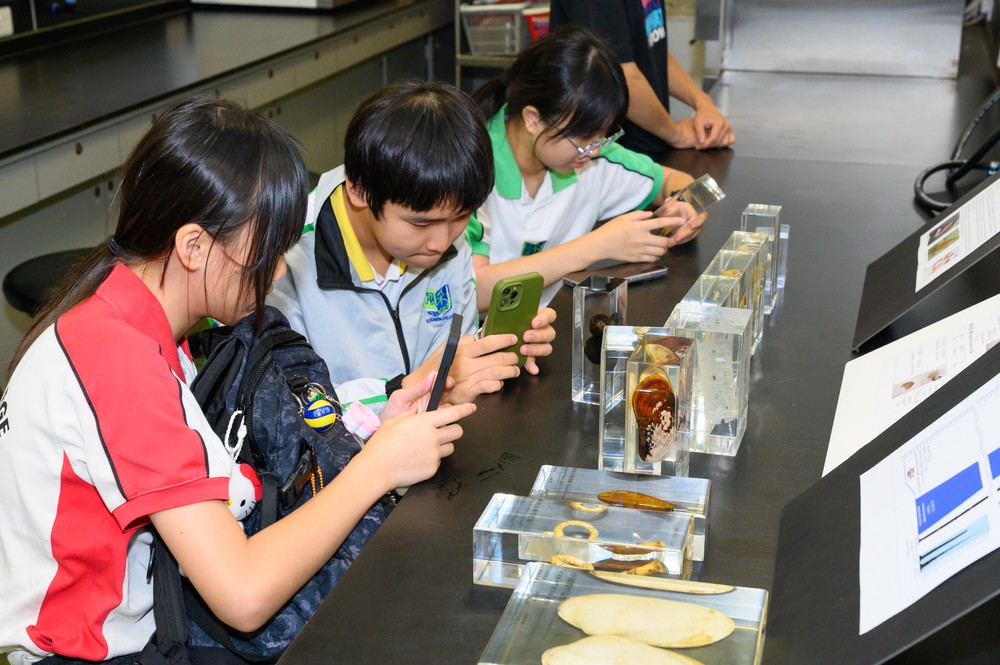
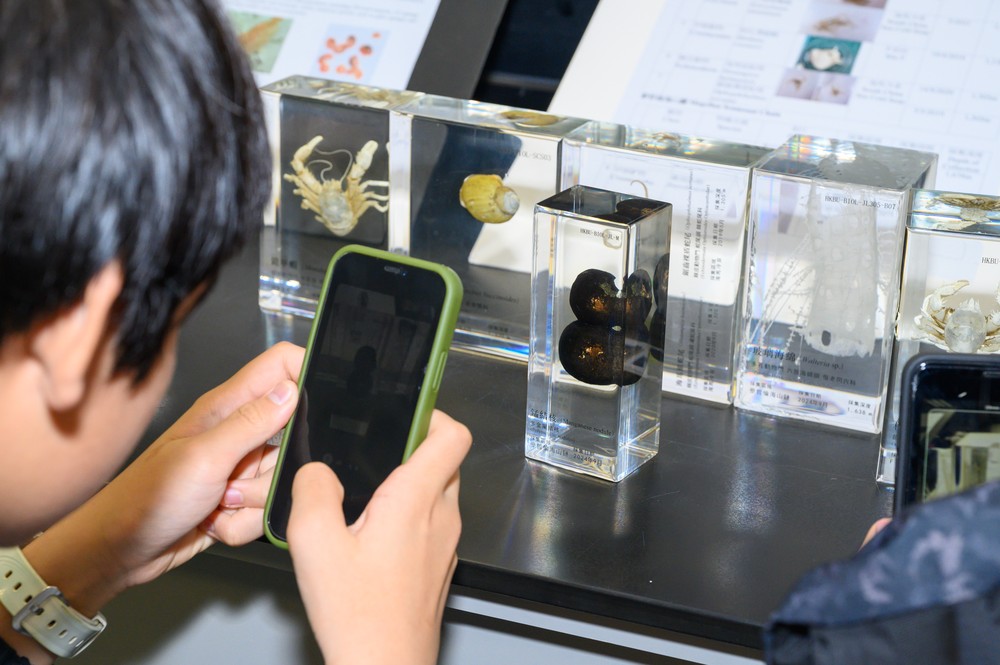
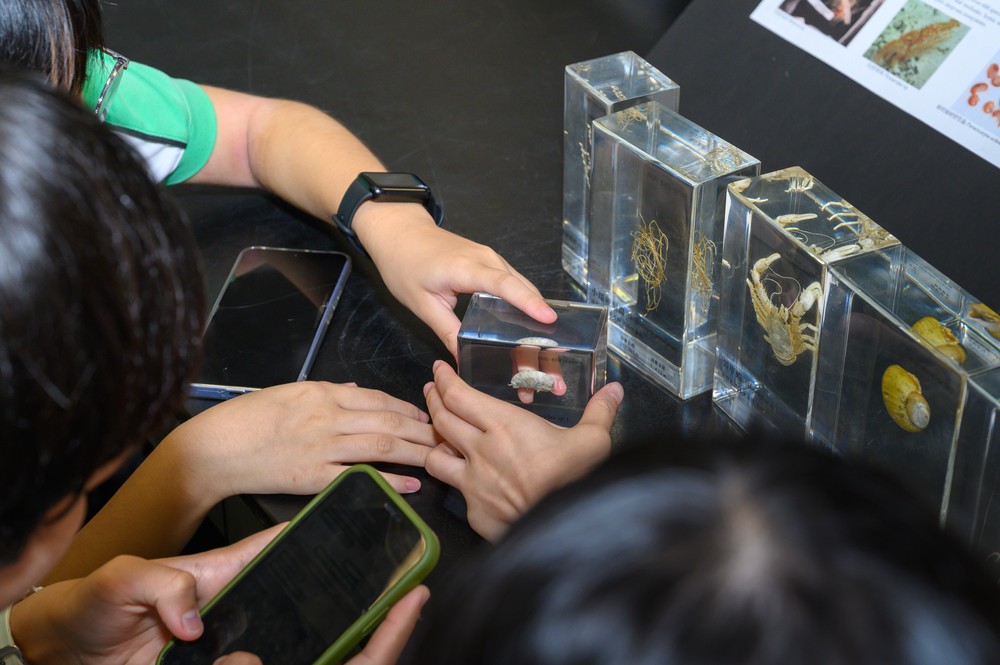
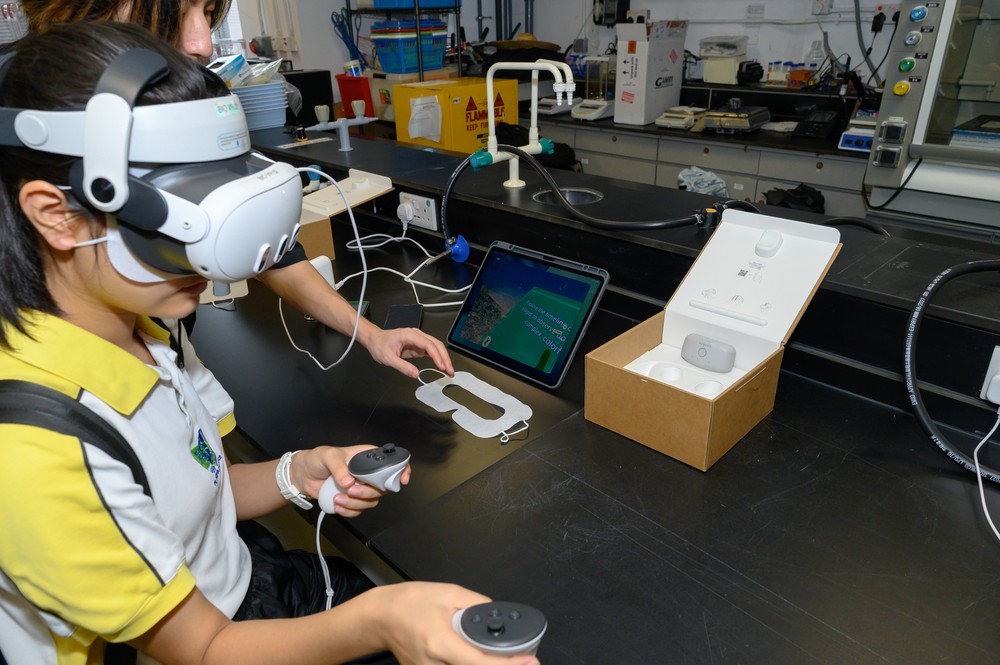
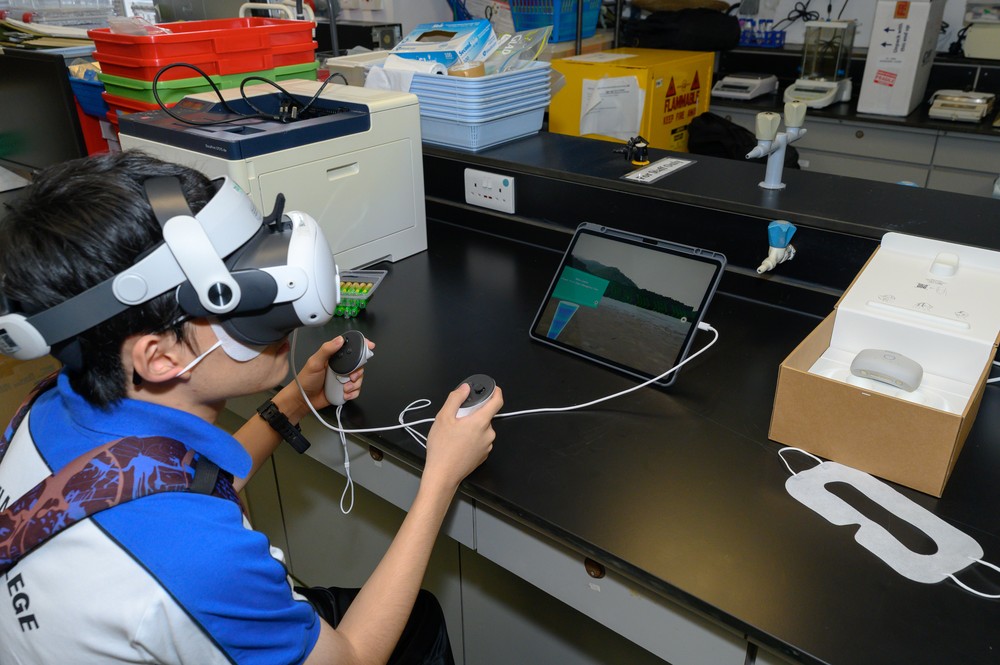
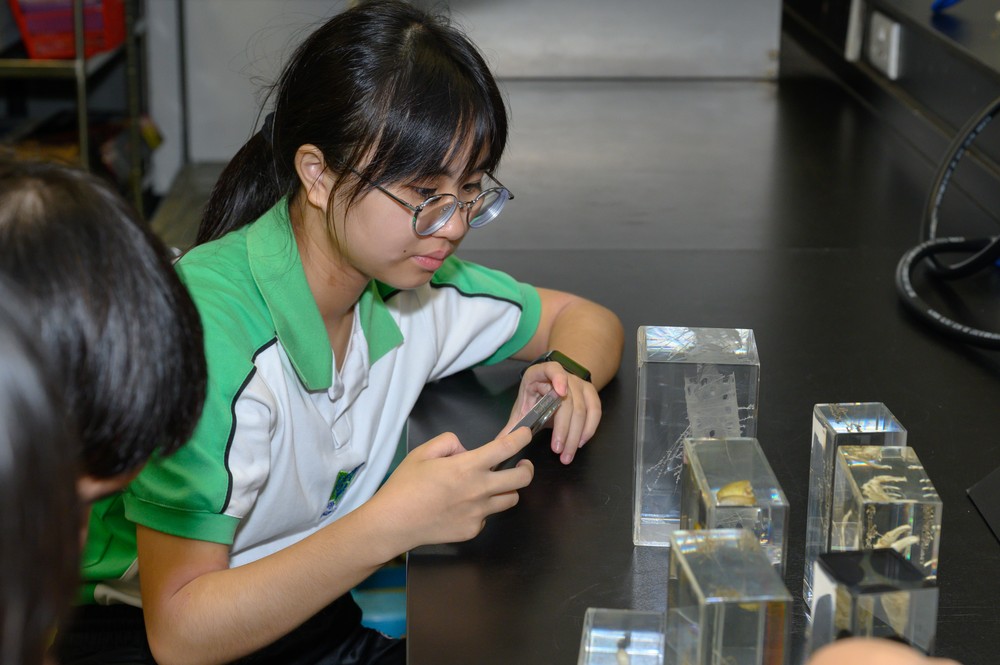
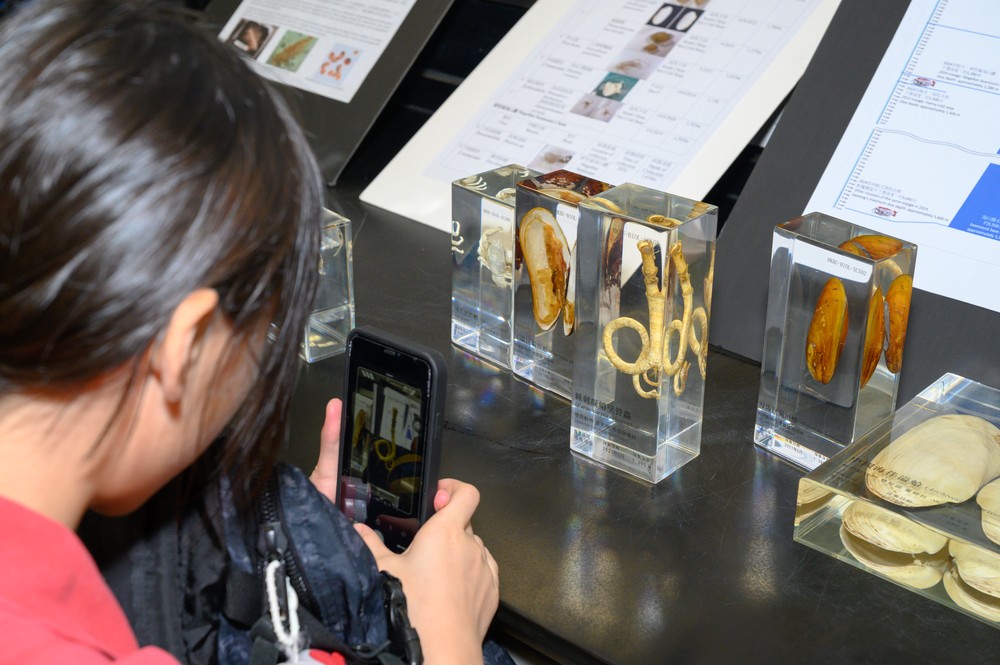
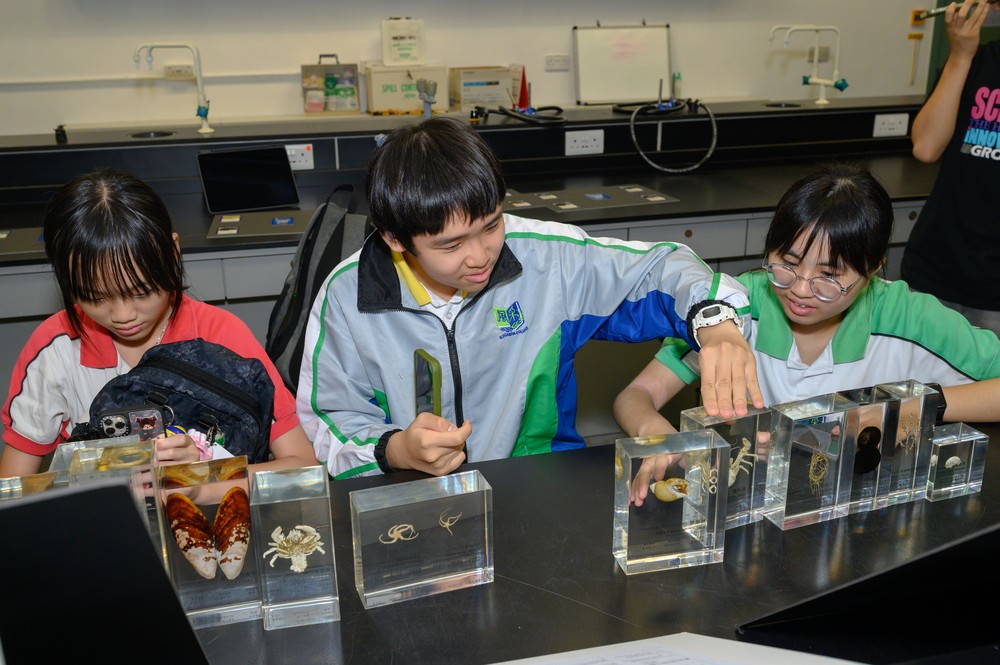
The deep sea has always been an unknown realm that humanity yearns to explore, harbouring countless unraveled mysteries. Dark, cold, and under crushing pressure, it is an extremely harsh environment, but life there thrives through remarkable adaptations. This demonstration showcases authentic specimens from the South China Sea collected by Professor Qiu Jianwen and includes an immersive VR experience that brings this hidden world to life.
| Unit: Biology |
Type: Scientific Demonstration |
| Language(s): English and Cantonese |
Speaker(s): Dr Veronica Chan |
| Time: 09:00 | 09:30 | 10:00 | 10:30 11:00 | 11:30 | 12:00 | 12:30 |
Venue: SCT1008 (Ho Sin Hang Campus) |
| Target: Secondary school students |
Quota: 10 per session |

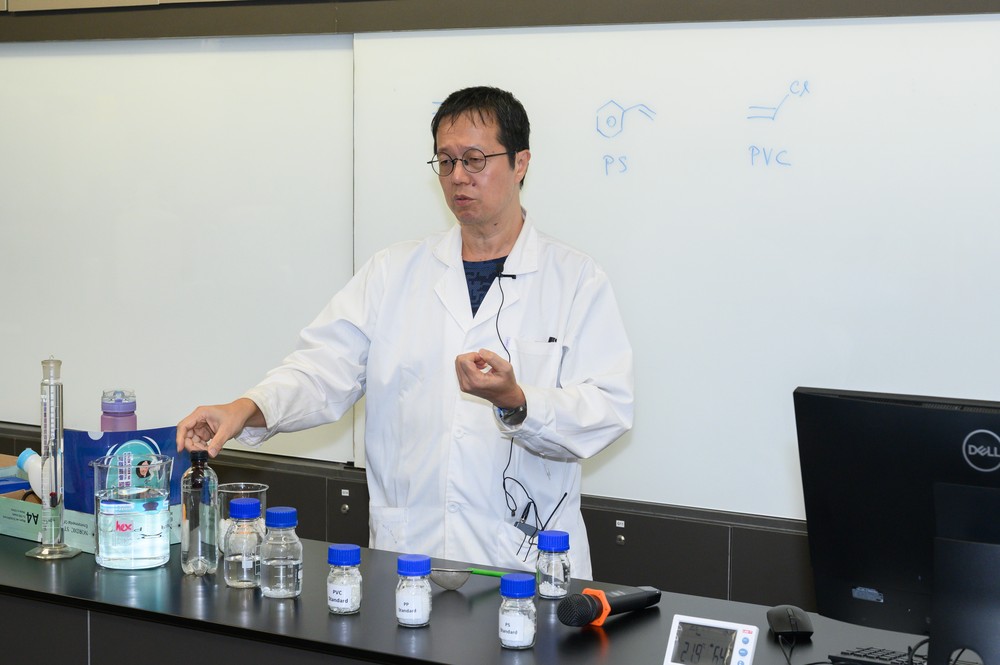
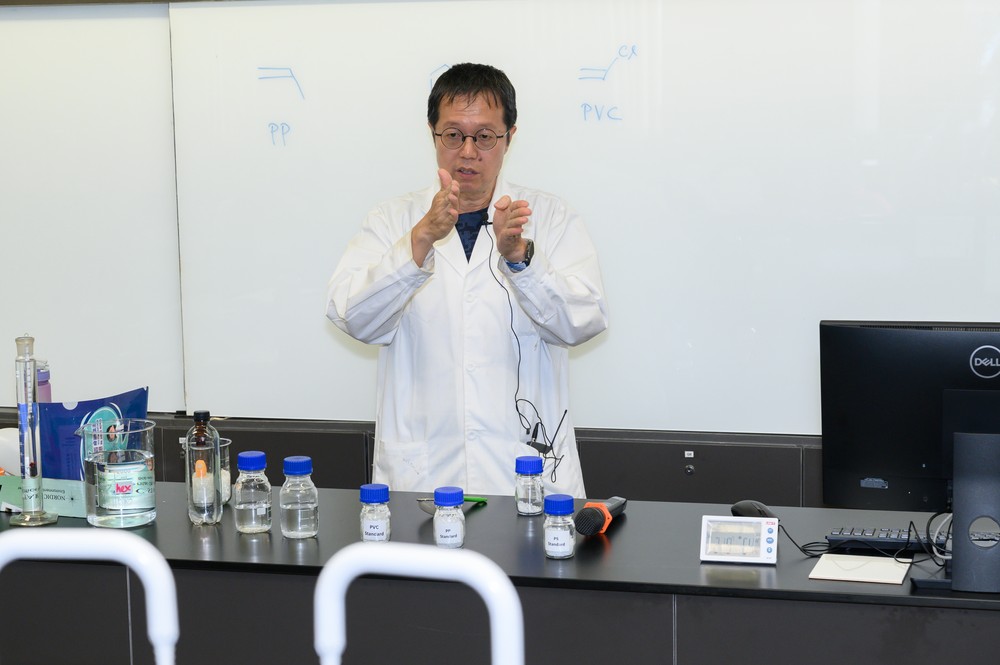
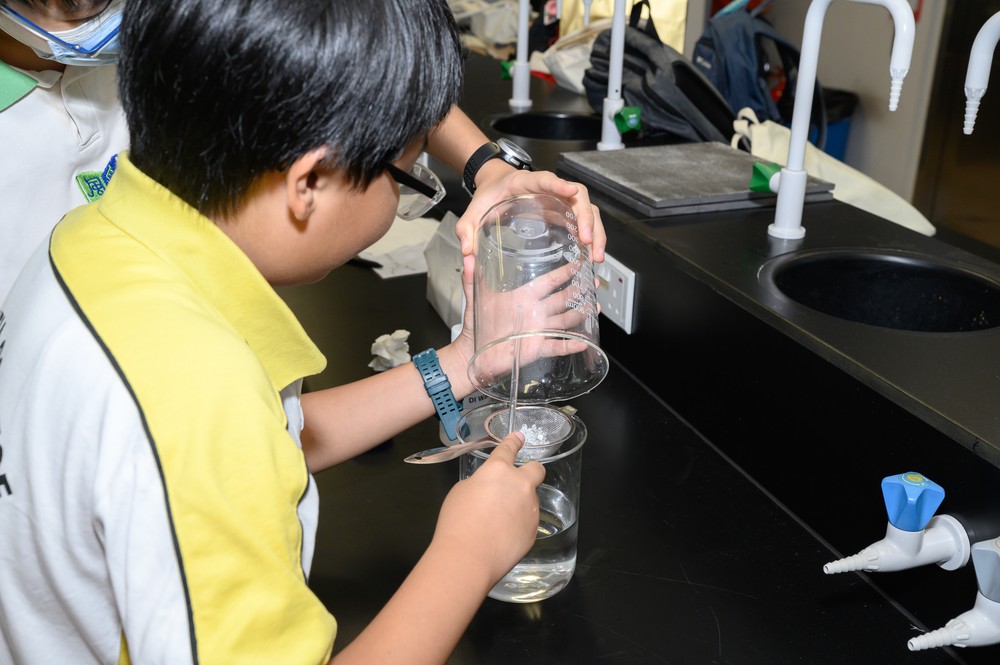
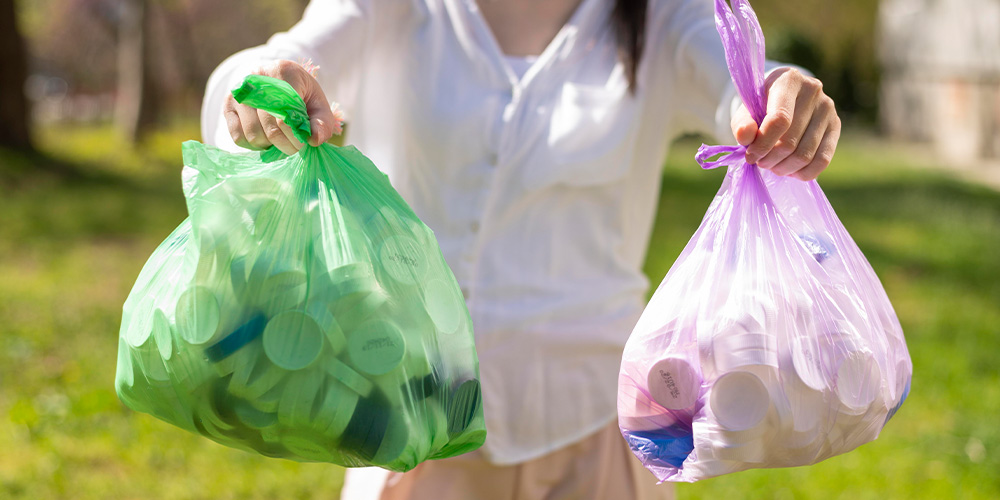
Plastic waste is a major source of environmental problems, and recycling plays an essential role in minimising its impact. The most crucial step in plastic recycling is the separation of different types of plastics. In this demonstration, we will show how plastics can be separated based on their distinguishing properties.
| Unit: Chemistry |
Type: Scientific Demonstration |
| Language(s): Cantonese |
Speaker(s): TBA |
| Time: 09:00 – 10:00 10:30 – 11:30 12:00 – 13:00 |
Venue: SCT1308 (Ho Sin Hang Campus) |
| Target: Secondary school students |
Quota: 30 per session |

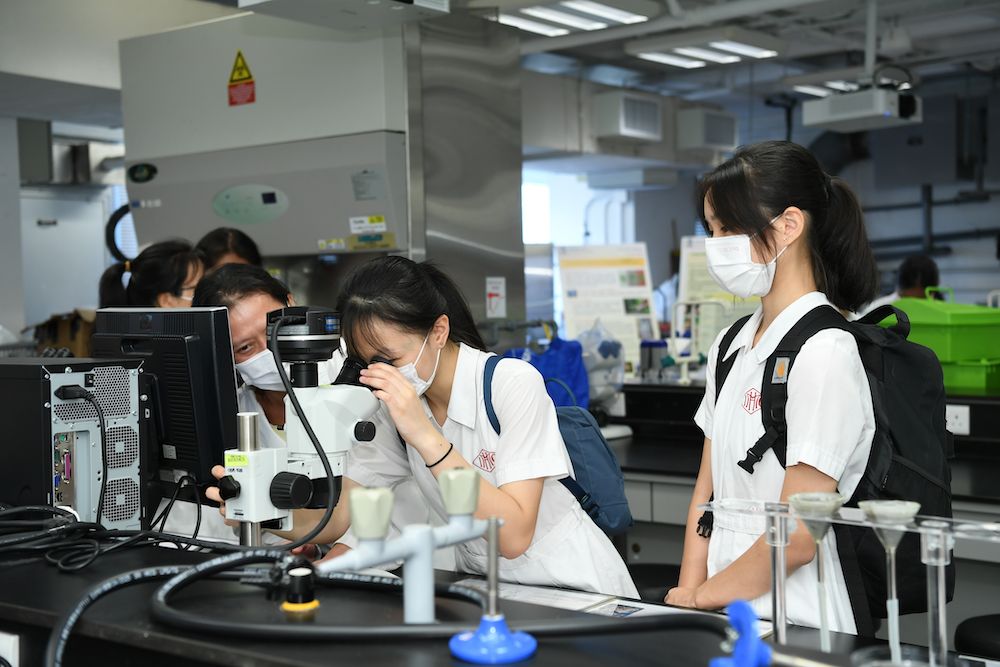
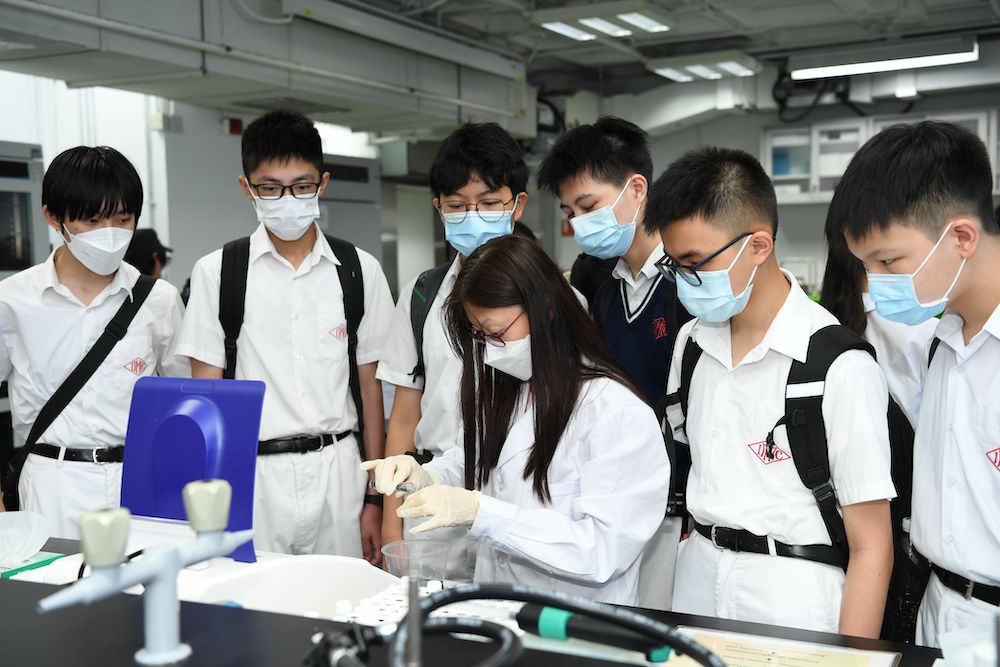
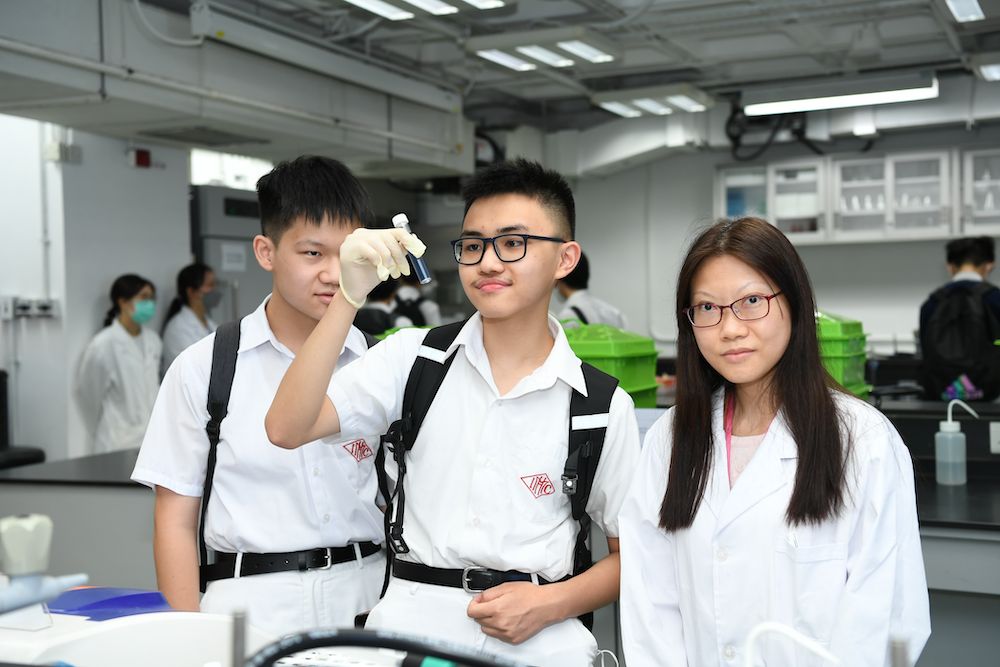
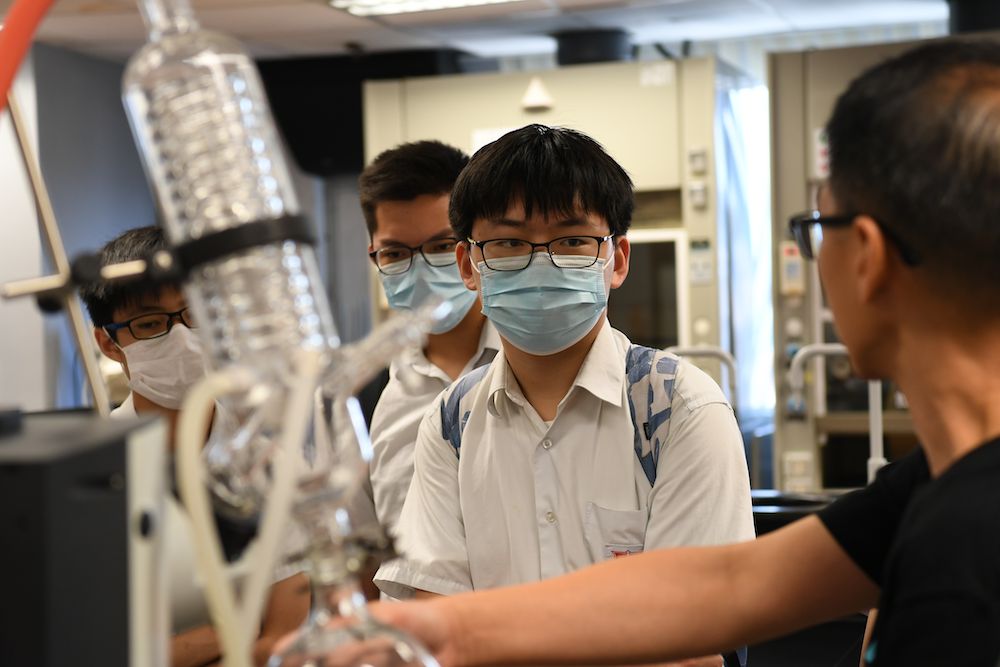
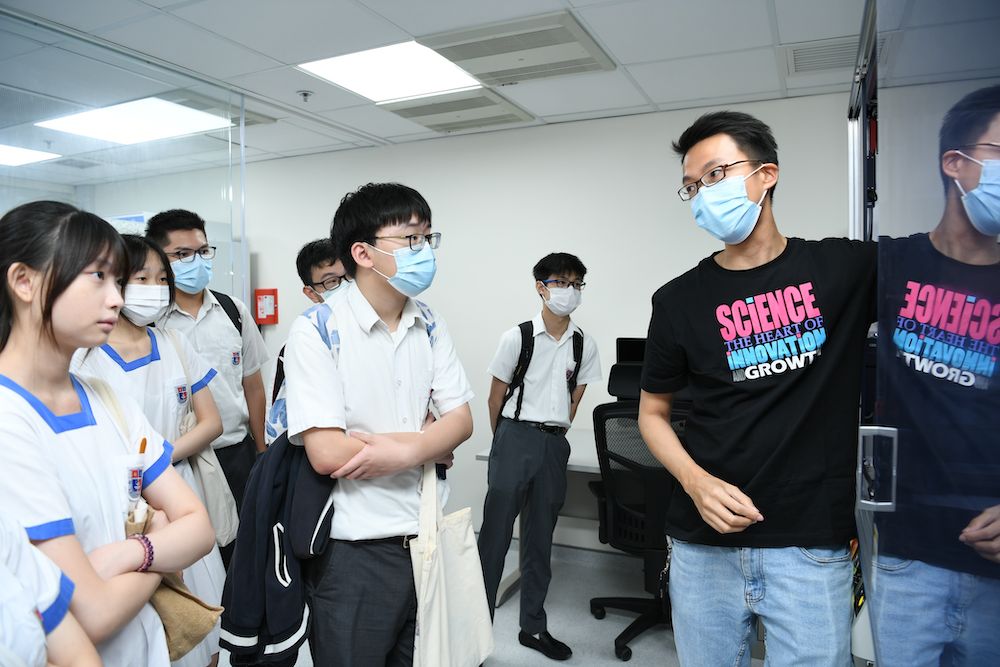
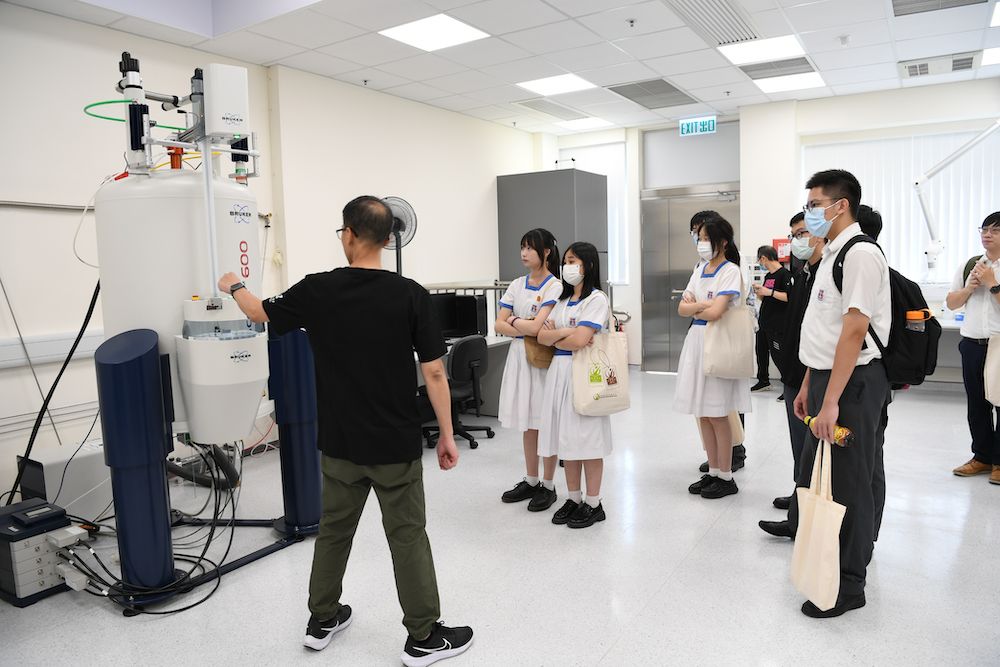
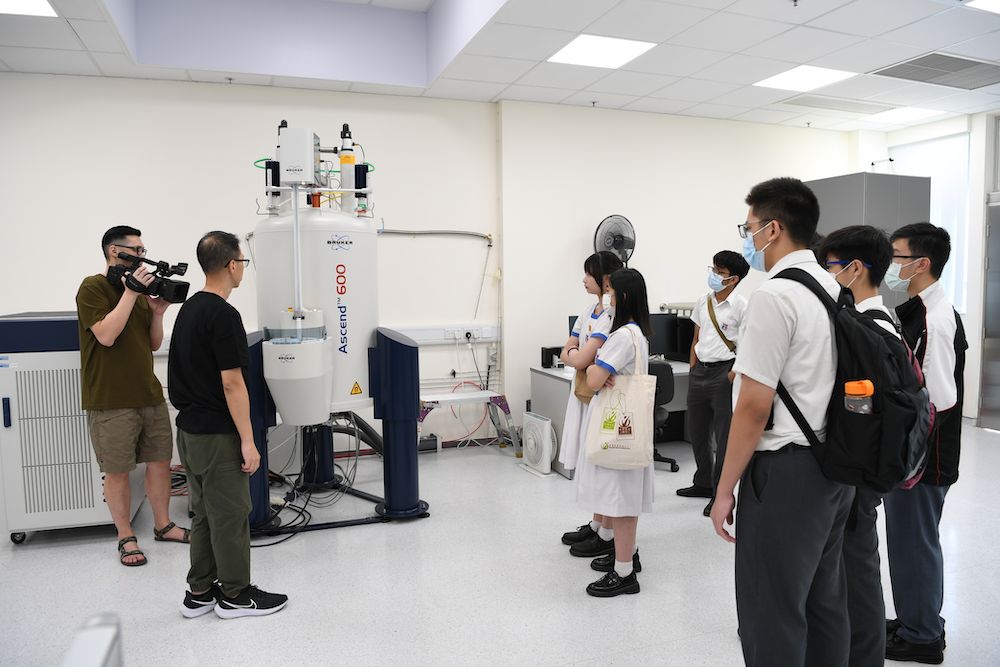
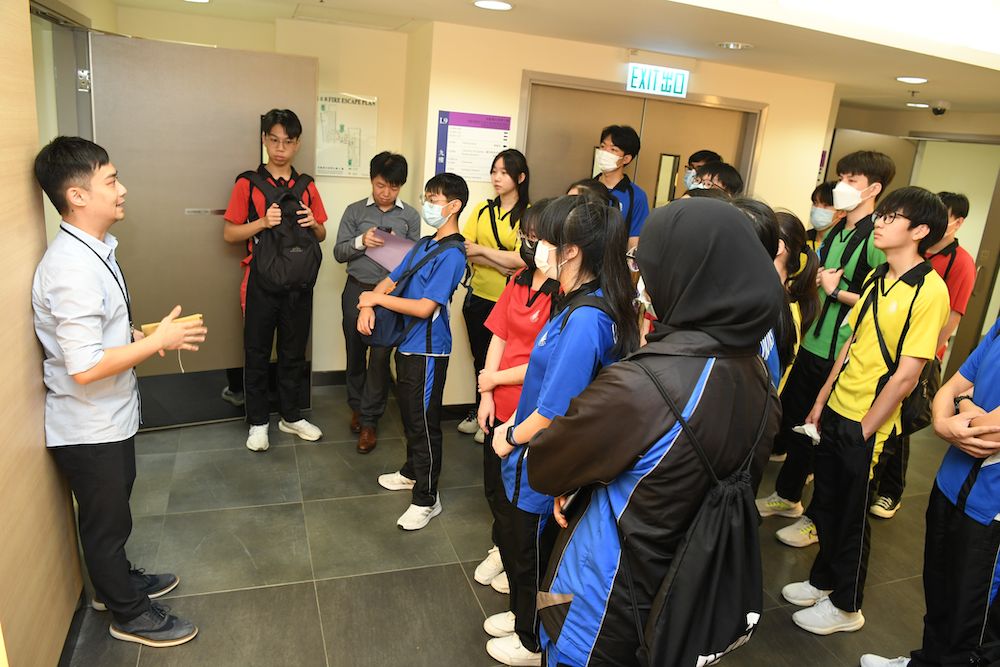
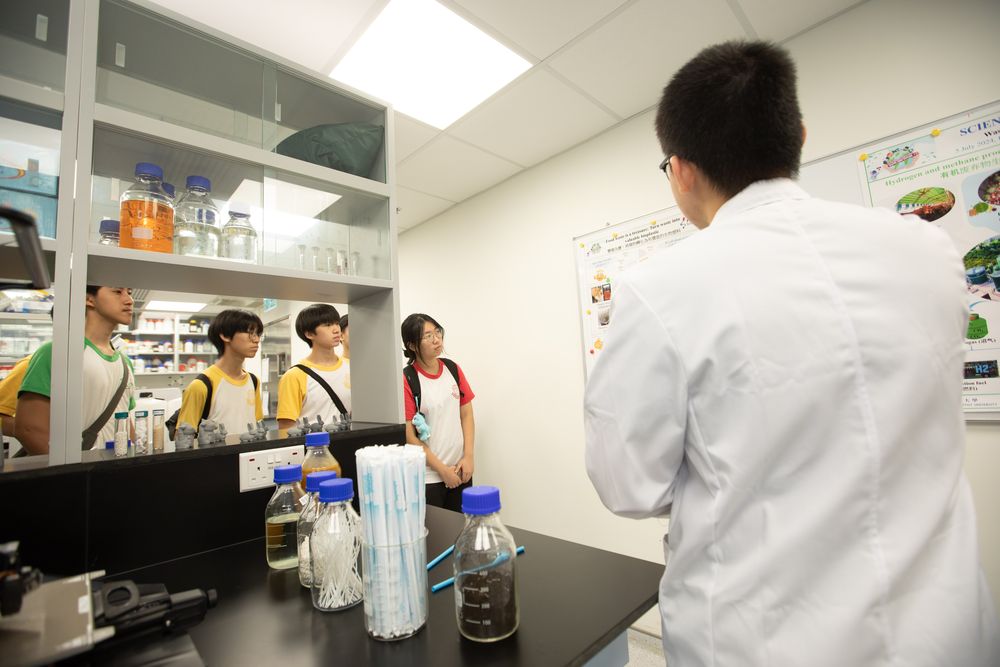
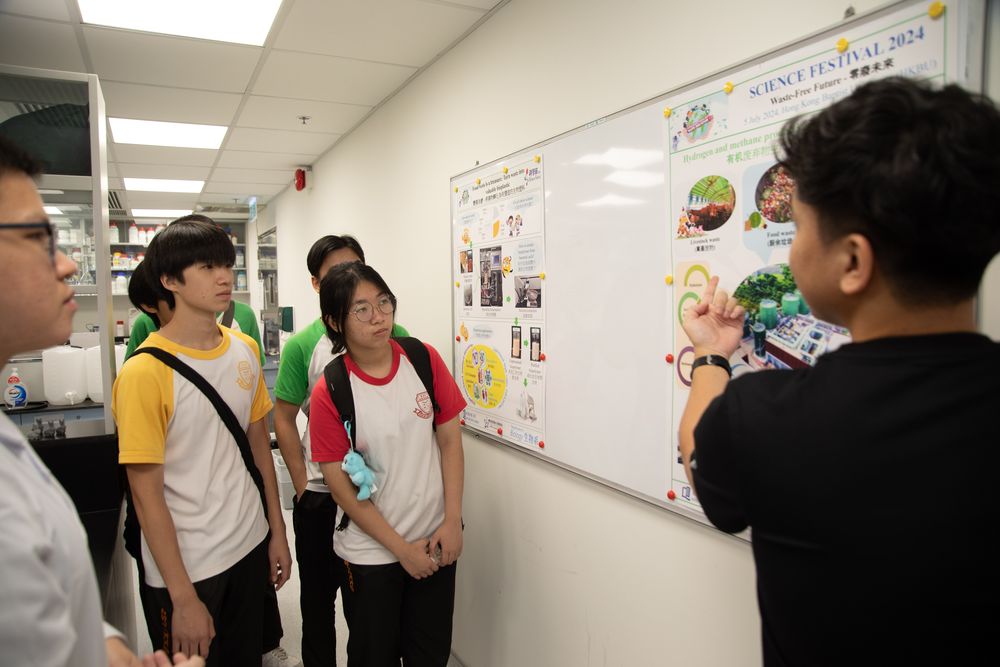
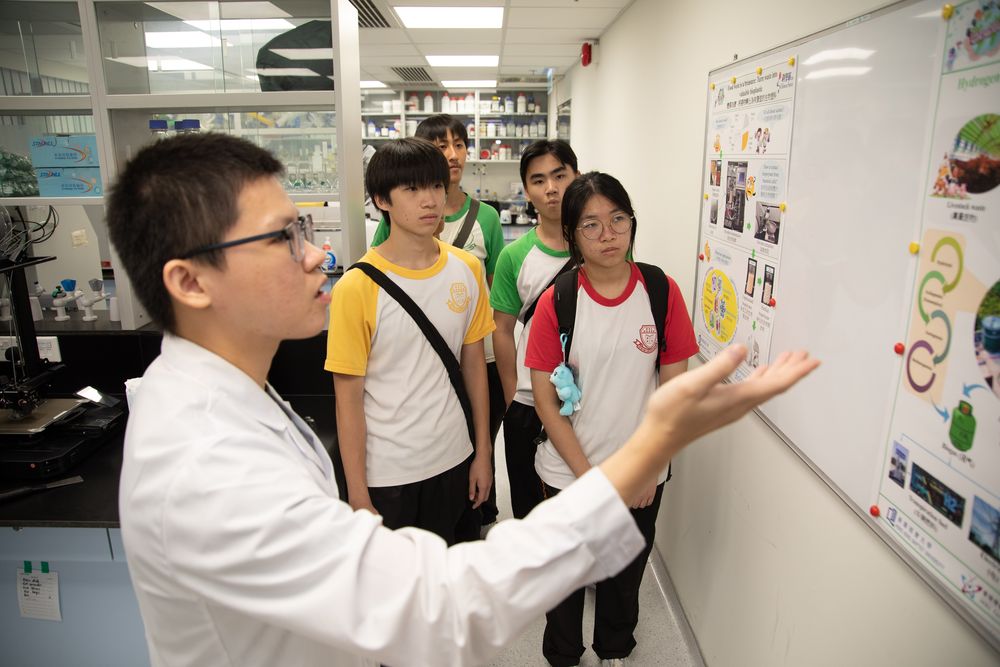
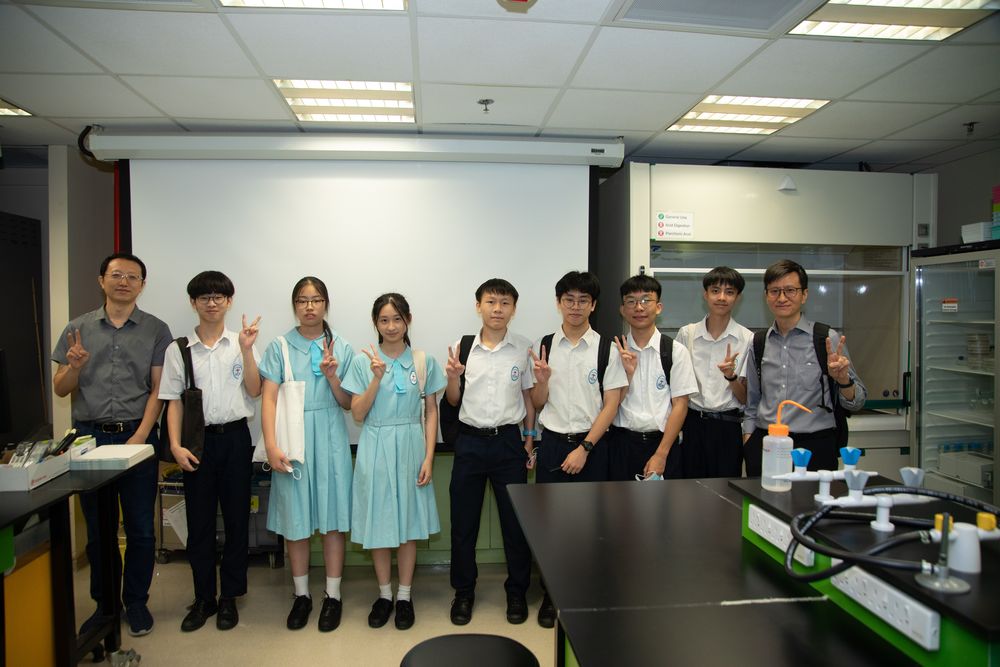
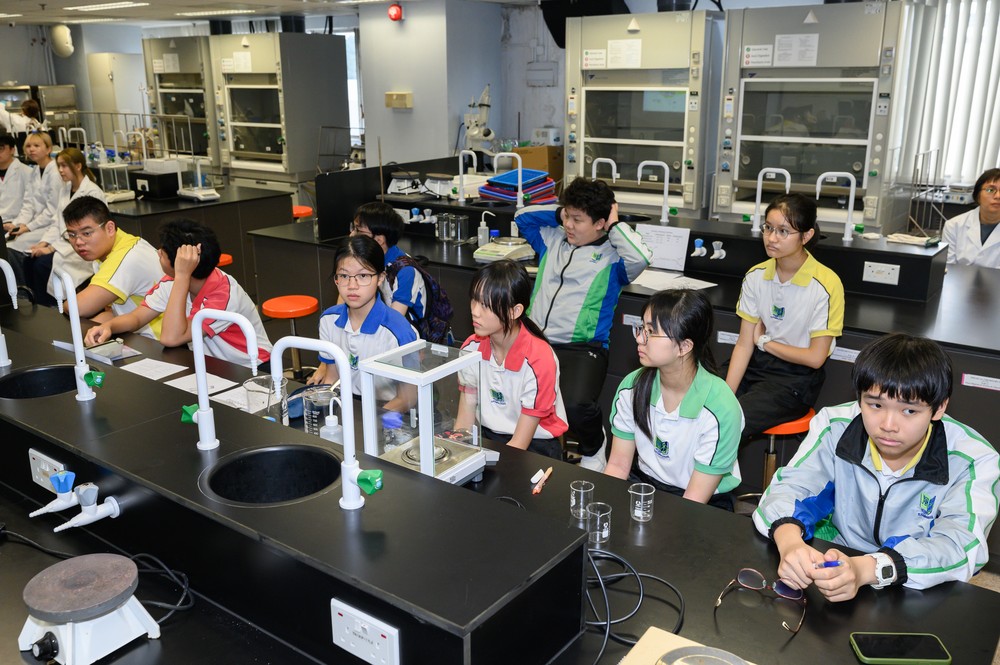
Participants will visit the research laboratory (OEW901), the Central Facility Laboratory (OEW501) and the Teaching laboratory (SCT1308) in the Chemistry Department and observe the instruments for environmental and biological analysis.
| Unit: Chemistry |
Type: Visit |
| Language(s): Cantonese |
Speaker(s): Mr Tommy Poon W. H. |
| Time: 09:00 – 10:00 10:30 – 11:30 12:00 – 13:00 |
Venue: OEW501 (Ho Sin Hang Campus) |
| Target: Secondary school students |
Quota: 30 per session |
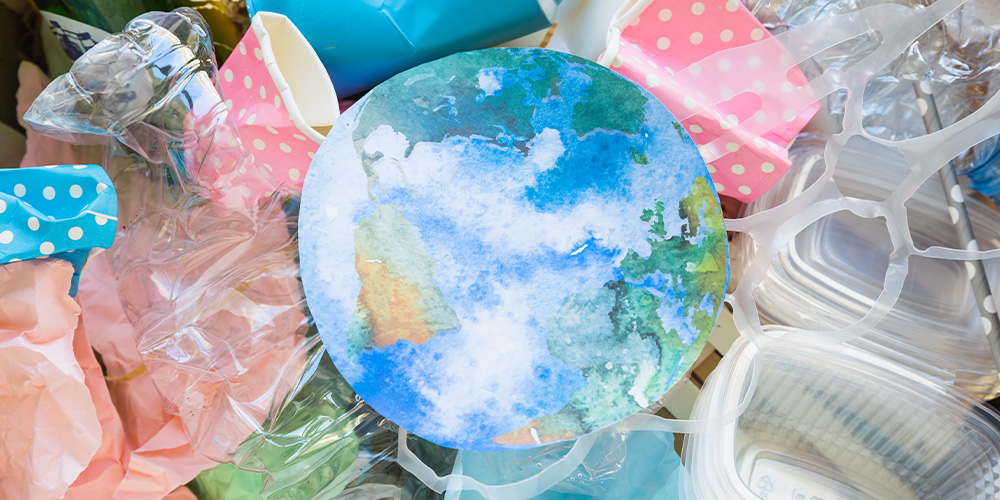
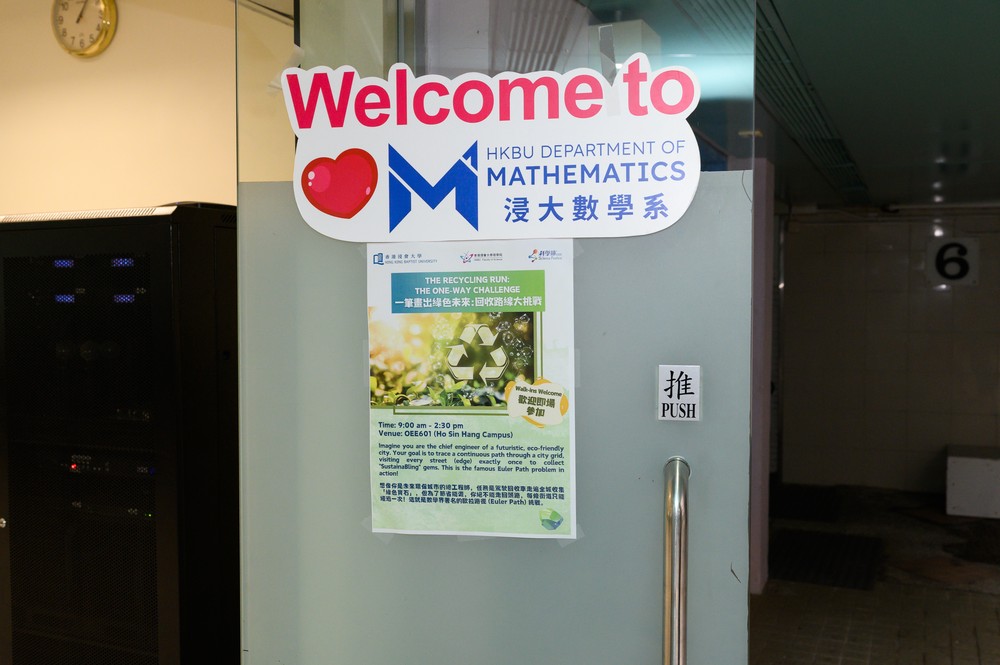
Imagine you are the chief engineer of a futuristic, eco-friendly city. Your mission? To collect recyclable materials from every neighbourhood without wasting a single drop of fuel. In the world of logistics, retracing your steps means wasted energy and increased pollution. This is where the elegance of mathematics comes in.
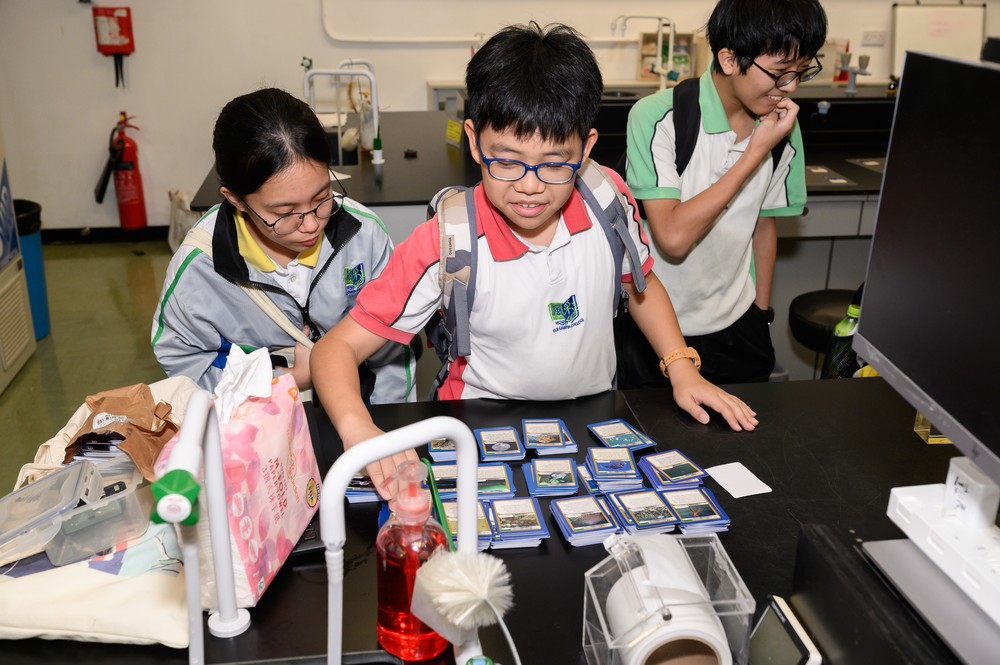
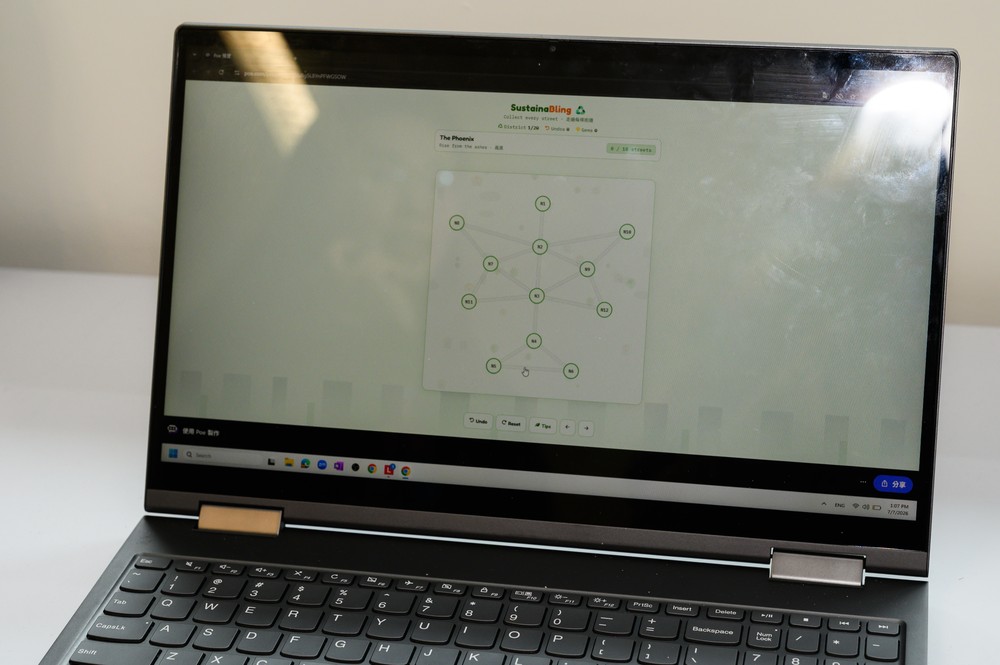
In this fast-paced booth game, students will step into the shoes of a route planner facing the classic Seven Bridges of Königsberg problem—reimagined for a sustainable era. Your goal is to trace a continuous path through a city grid, visiting every street (edge) exactly once to collect "SustainaBling" gems. This is the famous Euler Path problem in action!
Can you spot which city layouts are impossible to solve before you even start? Can you find the perfect route to maximise efficiency? Challenge your friends to see who can solve the “One-Way Challenge” the fastest. Discover how graph theory helps engineers design zero-waste collection routes and efficient power grids. Come test your logic and see if you have the mathematical mind to keep the city shining!
| Unit: Mathematics |
Type: Workshop |
| Language(s): Cantonese |
Speaker(s): Dr Chiang Shun Ling |
| Time: 09:00 – 14:30 |
Venue: OEE601 (Ho Sin Hang Campus) |
| Target: Secondary school students |
Quota: Walk-ins welcome |
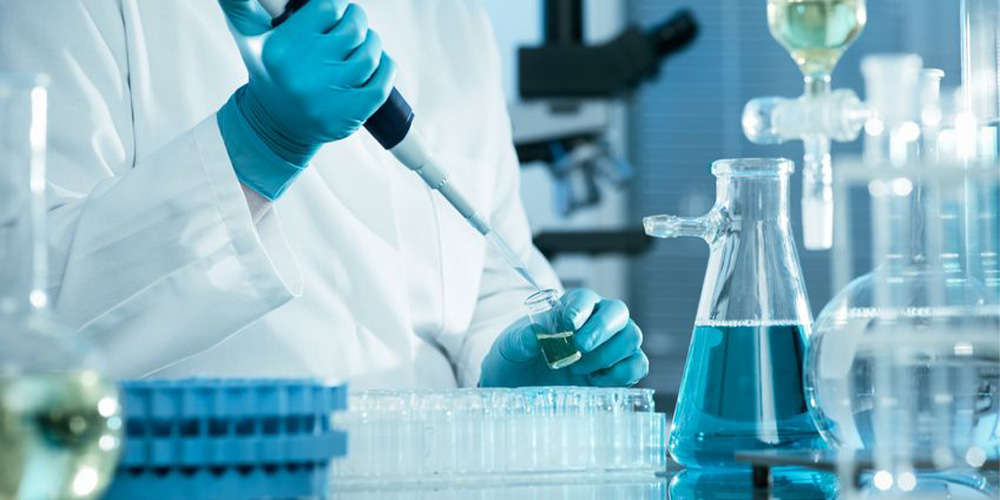
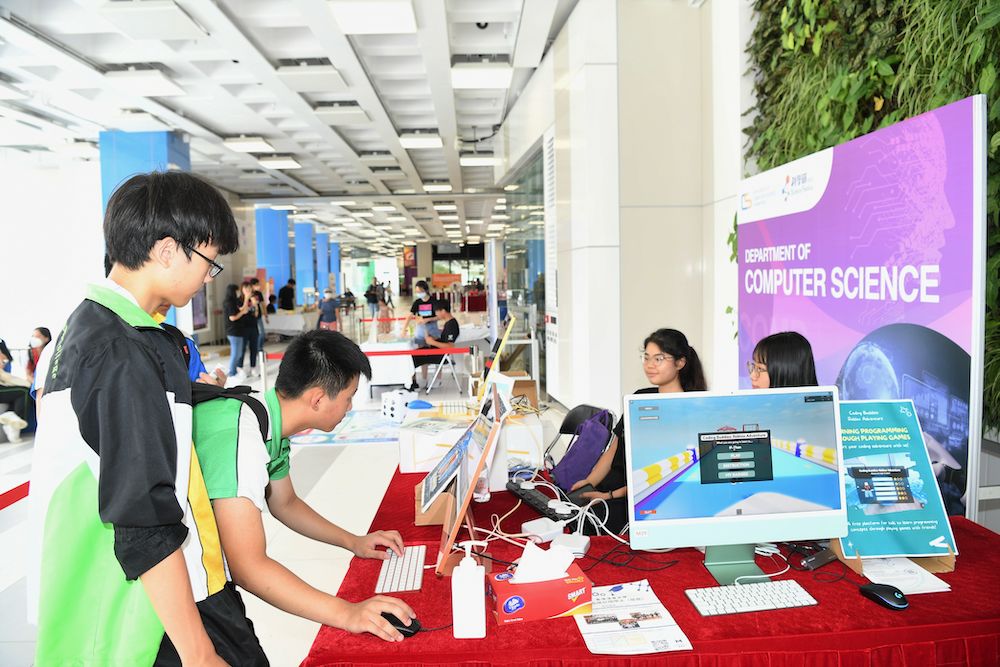
The exhibition showcases final-year projects by Computer Science students, spanning topics such as health informatics, AI, education, and sustainability, and other interesting areas. Visitors will see innovative applications that apply machine learning, computer vision, NLP, data analytics, and information systems to advance health studies, improve community well-being, and support greener living. An AI literacy zone will highlight the HKBU General Education focus on responsible and critical use of AI for social good. A robot car AI demo will also be set up to illustrate how AI works in practice.
| Unit: Computer Science |
Type: Visit |
| Language(s): Cantonese, supplemented with English |
Speaker(s): N/A |
| Time: 09:00 – 14:30 |
Venue: RRS735 (Ho Sin Hang Campus) |
| Target: Secondary school students |
Quota: Walk-ins welcome |

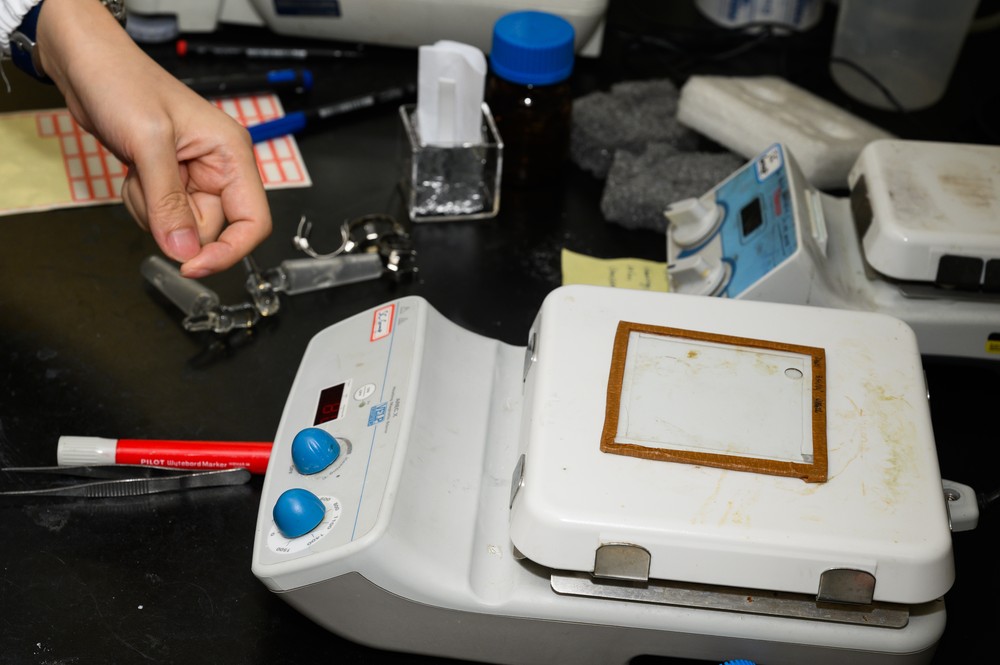
During this lab visit, students will step into a materials science laboratory and engage with cutting-edge materials used in sustainability applications and the high-end research equipment. This includes a thin film deposition system for the semiconductor industry and a fiber-optic spectrometer for characterising optical materials. Through close contact with the research frontier of materials science, participants will gain a tangible understanding of green energy and smart technologies, fostering their interest in physical sciences.
Special requirement: Participants are required to wear covered-toe shoes due to lab safety requirements. Anyone who fails to comply with this safety rule will not be admitted to the lab.
| Unit: Physics |
Type: Visit |
| Language(s): English |
Speaker(s): Prof Wang Shangcheng |
| Time: 09:00 – 10:00 10:30 – 11:30 12:00 – 13:00 |
Venue: SCT910 (Ho Sin Hang Campus) |
| Target: Secondary school students |
Quota: 24 per session |
| Unit: Notice: Undefined index: in /var/www/html/scifest/index.php on line 909 |
Type: competition |
| Language(s): |
Speaker(s): |
| Time: |
Venue: |
| Target: |
|